

Auto Insurance Repairs in Oxnard: What Drivers Should Expect After a Collision
After a car accident, most drivers are suddenly faced with unfamiliar decisions — insurance claims, repair timelines, rental cars, and questions about what happens next. While vehicles today are safer and more advanced than ever, the repair process has also become more detailed.
Understanding how insurance repairs work can help reduce stress and make the experience more manageable. This guide explains what typically happens after a claim is filed and how to move through the process with confidence.
Why Repairs Are More Detailed Today
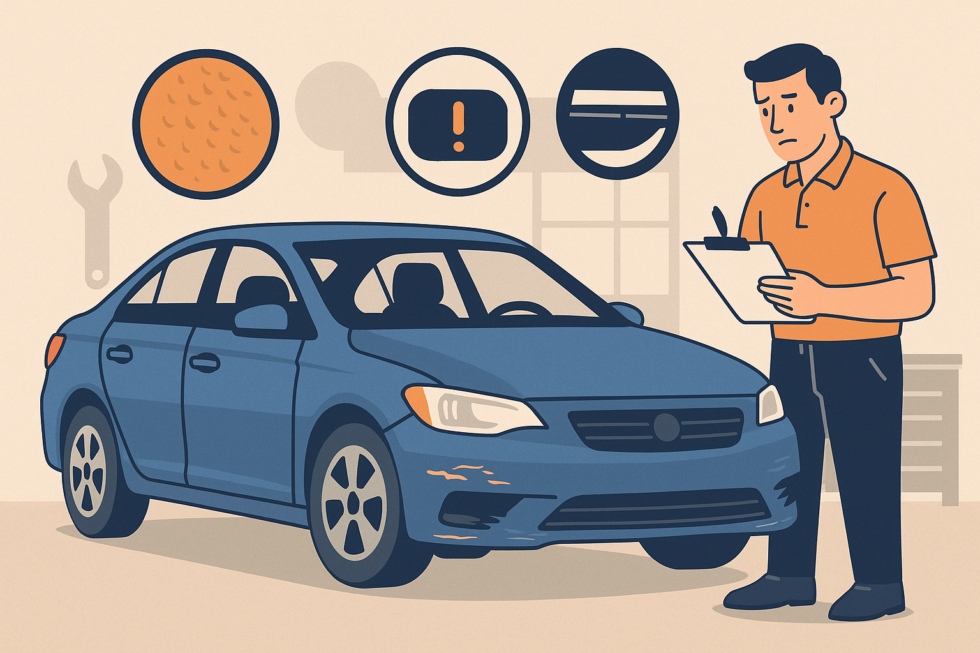
Modern vehicles include advanced safety systems, sensors, cameras, and specialized materials. Because of this, repairs often require more documentation and inspection than they did in the past.
According to the Insurance Information Institute, increasing vehicle technology has made claims and repairs more complex, which is why insurers and repair facilities follow more structured procedures today.
These extra steps are designed to ensure that safety systems and structural components continue to function as intended after a repair.
What Happens After You File a Claim
Although every situation is different, most insurance repairs follow a similar path.
Initial Estimate
After reporting the accident, the insurance company reviews photos and details to create a preliminary estimate based on visible damage.
Digital estimating tools help speed up the early stages of claims, but they cannot replace a full inspection once the vehicle reaches a repair facility.
→ Want to understand the full repair process step-by-step?
Choosing Where to Repair Your Vehicle
Many drivers assume they must use the insurance company’s recommended shop, but that is not required.
California consumer guidelines confirm that vehicle owners have the right to choose their preferred repair facility.
Choosing a shop that communicates clearly and follows proper repair procedures can make the entire process smoother from start to finish.
Detailed Inspection
Once the vehicle arrives at the shop, technicians perform a deeper inspection. Panels may be removed and internal areas checked for hidden damage.
Impacts often transfer energy beyond visible areas, which is why a thorough inspection is critical.
The National Highway Traffic Safety Administration highlights the importance of correct structural repairs for maintaining crash safety.
Supplement Approvals
If additional damage is discovered during inspection, the repair facility submits updated documentation to the insurance company for approval. These updates are called supplements and are a normal part of the process.
Industry repair training organizations explain that supplements help ensure repairs match the vehicle’s actual condition rather than only the initial estimate.
Repair And Quality Checks
Once approvals are complete, repairs begin. Depending on the damage, this may include structural work, refinishing, component replacement, and final safety checks.
→ If safety systems or airbags were involved, additional steps may be required.
Why Estimates Sometimes Change
Many drivers are surprised when repair costs change after work begins. This happens because early estimates focus only on visible damage, while detailed inspections often reveal additional issues.
Discovering hidden damage is common and helps ensure repairs are completed properly rather than rushed or incomplete.
→ Learn why lower estimates can lead to higher final costs
Understanding Replacement Parts
Replacement parts play an important role in repair quality. Manufacturer-approved parts are designed to fit correctly and function with existing vehicle systems.
OEM repair guidance emphasizes following manufacturer procedures to maintain safety performance after a collision.
Repair Timelines And Rental Cars
Repair timelines vary based on factors such as parts availability, insurance approvals, and vehicle complexity.
→ Learn what affects repair timelines in detail
Before repairs begin, it can be helpful to ask:
How long repairs are expected to take
Whether rental coverage is included
What happens if delays occur
Understanding these details early helps prevent surprises later.
Why Estimates Sometimes Change
Many drivers are surprised when repair costs change after work begins. This happens because early estimates focus only on visible damage, while detailed inspections often reveal additional issues.
Discovering hidden damage is common and helps ensure repairs are completed properly rather than rushed or incomplete.
Understanding Replacement Parts
Replacement parts play an important role in repair quality. Manufacturer-approved parts are designed to fit correctly and function with existing vehicle systems.
OEM repair guidance emphasizes following manufacturer procedures to maintain safety performance after a collision.
Repair Timelines And Rental Cars
Repair timelines vary based on factors such as parts availability, insurance approvals, and vehicle complexity.
→ Learn what affects repair timelines in detail.
Before repairs begin, it can be helpful to ask:
How long repairs are expected to take
Whether rental coverage is included
What happens if delays occur
Understanding these details early helps prevent surprises later.
Choosing The Right Repair Facility
Clear communication, accurate documentation, and attention to detail are important when selecting a repair shop. The right team will explain each step, coordinate with insurance companies, and ensure repairs follow proper procedures.
→ Before picking up your vehicle, understand final quality checks.
Related Guides For Oxnard Drivers
About Prestige Bodyworks Auto Collision
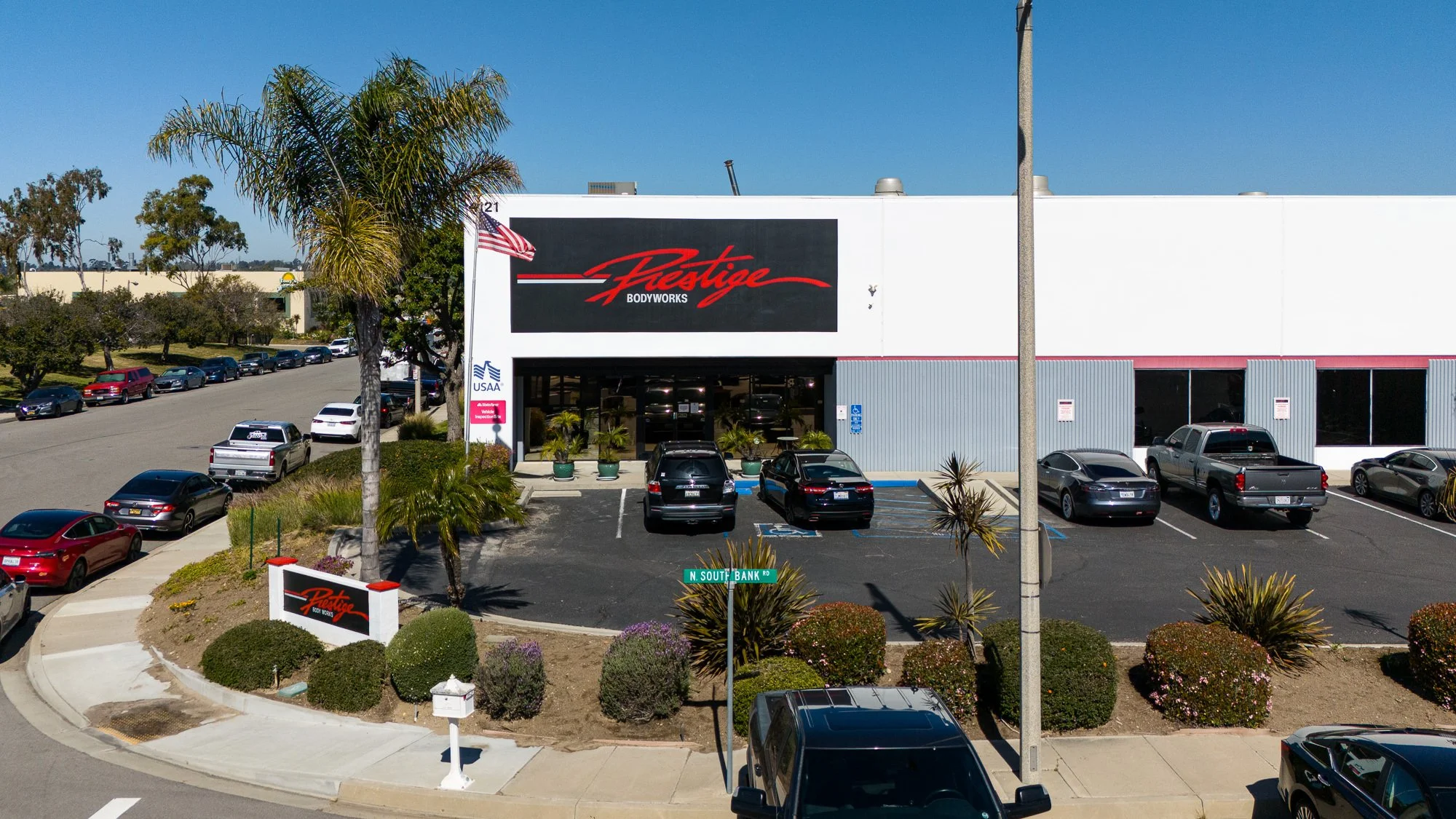
Prestige Bodyworks supports drivers throughout Oxnard and nearby communities by providing clear communication and precision-focused repairs. Services include collision repair, paint refinishing, dent repair, structural repairs, advanced safety system calibration, and glass replacement.
Conclusion
Insurance repairs may feel complicated at first, but understanding the process helps drivers feel more prepared and confident. From the initial estimate to final delivery, working with a knowledgeable repair facility can help keep everything organized and transparent.
