

EV Collision Repair in Oxnard: What Electric Vehicle Owners Should Know
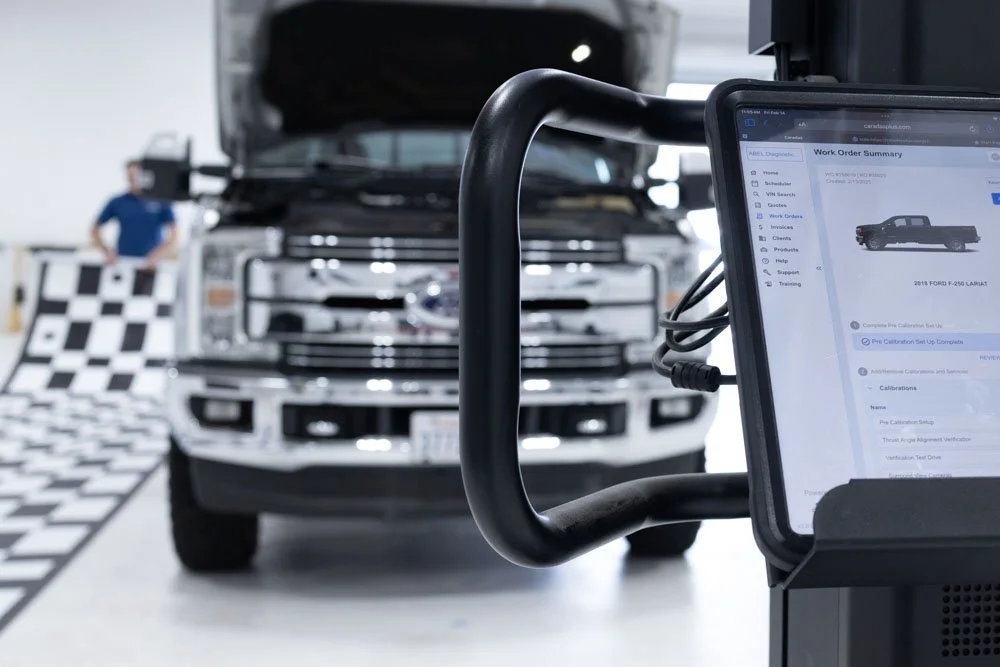
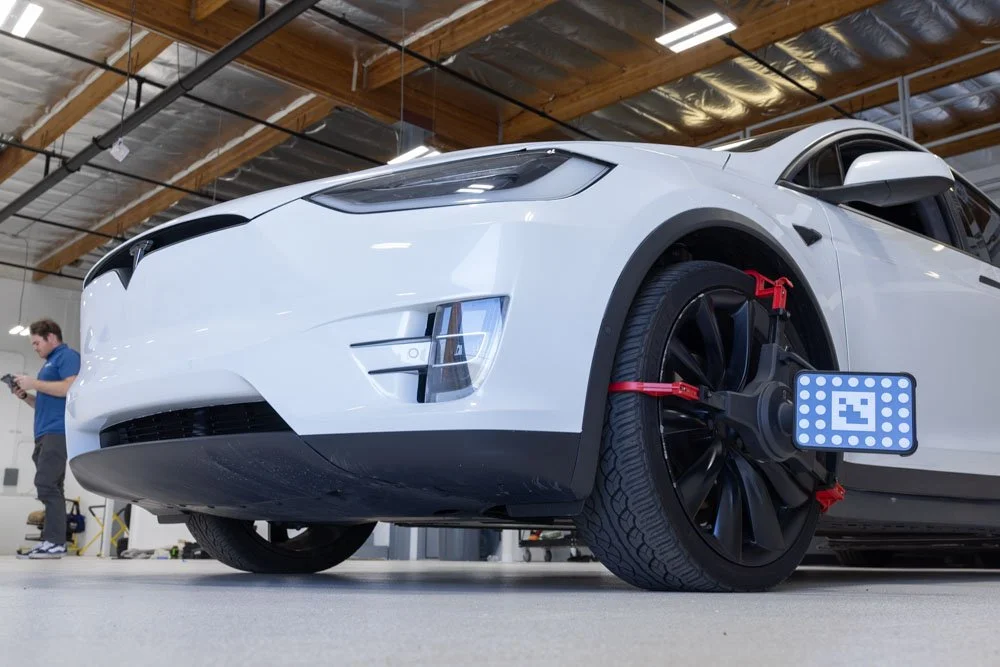
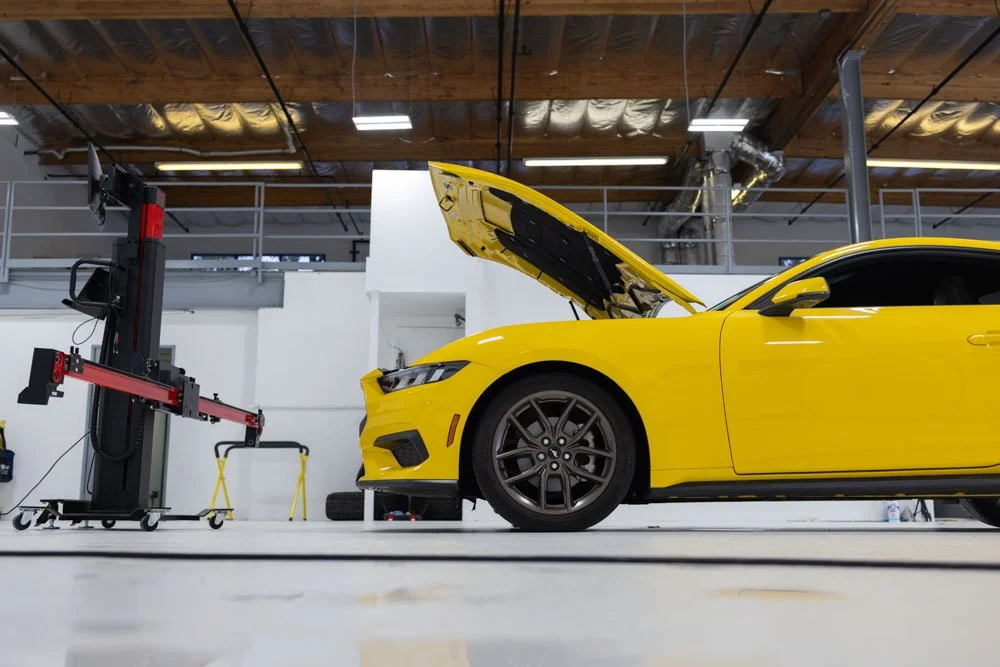
Electric vehicles are becoming more common on roads throughout Oxnard and Ventura County, bringing new technology into everyday driving.
After an accident, many EV owners have similar questions:
“Is repairing an electric vehicle different?”
“Does the battery or technology change the repair process?”
The answer depends on the vehicle, damage, and repair requirements.
While many collision repair steps are similar to gasoline vehicles, EV repairs may involve additional considerations because of their electrical systems, technology, and manufacturer guidelines.
At Prestige Bodyworks in Oxnard, we regularly help guests understand what happens after an EV accident, from the first inspection to repair planning and insurance communication.
This guide explains what electric vehicle owners should know before starting repairs.
Key Takeaway
Repairing an electric vehicle is not only about fixing visible damage.
Depending on the vehicle and type of accident, technicians may need to consider:
Manufacturer repair procedures
Battery-related components
Vehicle materials
Electronic systems
Advanced Driver Assistance Systems (ADAS), including cameras and sensors
The exact repair approach depends on the EV manufacturer, model, and collision damage.
What Makes Electric Vehicle Repairs Different?
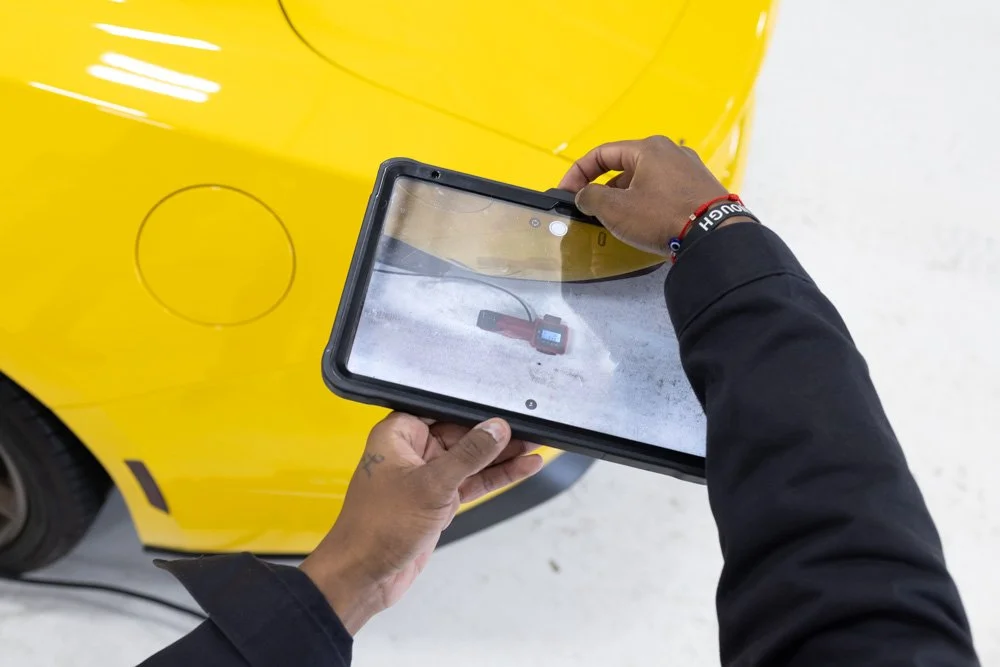
Electric vehicles are designed with systems that differ from traditional gasoline-powered vehicles.
Depending on the vehicle, repairs may involve:
Electric drivetrain components
Battery system considerations
Advanced structural materials
Integrated electronics
Advanced Driver Assistance Systems (ADAS)
Because every manufacturer designs vehicles differently, technicians rely on current repair information to understand the appropriate repair approach.
Industry repair resources emphasize the importance of understanding electric vehicle systems, vehicle design, and manufacturer information before completing certain repairs.
Source: I-CAR – Electric Vehicle Repair Considerations
EV vs Traditional Vehicle Repair Considerations
| Area | Traditional Vehicle | Electric Vehicle |
|---|---|---|
| Power System | Gas engine components | Electric drivetrain components |
| Energy Storage | Fuel system | Battery system |
| Electronics | Varies depending on vehicle | Often includes integrated electronic systems |
| Repair Procedures | Manufacturer information applies | Manufacturer information applies |
| Inspection Needs | Based on vehicle damage | Based on vehicle design and damage |
Both traditional and electric vehicles require proper repair procedures.
The difference is understanding the specific systems involved with each vehicle.
Understanding EV Battery and Electrical System Considerations
Electric vehicles use battery and electrical systems that are different from traditional vehicles.
After a collision, technicians may review:
Damage location
Manufacturer repair information
Related electrical components
Required inspection procedures
A collision does not automatically mean there is battery damage.
Instead, the repair process focuses on understanding what areas were affected and following the appropriate repair information for that vehicle.
Example: EV Rear Collision Repair Considerations
A rear collision on an electric vehicle may appear similar to a traditional vehicle repair from the outside.
However, depending on the vehicle design and damage location, technicians may also review:
Components behind damaged panels
Electrical connections
Sensor locations
Mounting areas
Manufacturer repair procedures
Vehicle-specific requirements
The repair approach depends on the vehicle and the damage discovered during inspection.
This is why a complete inspection is an important part of creating the repair plan.
Related:
Why Insurance Estimates and Body Shop Estimates Are Different After an Accident
Vehicle Diagnostics and ADAS Support
Modern vehicles, including many EVs, may include Advanced Driver Assistance Systems (ADAS) designed to support driver awareness and vehicle safety features.
Depending on the vehicle, ADAS technology may involve:
Cameras
Radar sensors
Parking sensors
Blind spot monitoring systems
Driver assistance features
Because these systems are integrated throughout the vehicle, collision repairs may require additional inspections or procedures depending on the damage location and manufacturer requirements.
According to the National Highway Traffic Safety Administration (NHTSA), driver assistance technologies use components such as cameras and sensors to support vehicle safety features.
Source: NHTSA Driver Assistance Technologies
Related: ADAS Calibration After a Collision: What Drivers Should Know
Electric Vehicle Repair Considerations
| Repair Area | Repair Consideration |
|---|---|
| Battery System | Inspection needs depend on vehicle design and damage location. |
| Electrical Components | Related systems may require review depending on the repair. |
| Vehicle Materials | Repair methods vary by manufacturer and vehicle design. |
| ADAS Technology | Cameras, sensors, and related systems may require checks depending on the repair. |
| Repair Procedures | Manufacturer repair information may apply based on vehicle requirements. |
| Training | Vehicle-specific knowledge helps technicians understand repair requirements. |
Common Misunderstandings About EV Repairs
Mistake #1: “Repairing an EV Is Completely Different From Every Other Vehicle”
Many repair steps are familiar, including:
Body repair
Refinishing
Structural inspections
However, electric vehicles may include additional technology and systems that require specific repair considerations.
Mistake #2: “Every EV Accident Means Battery Damage”
Not every collision affects the battery system.
Battery-related inspections depend on:
Damage location
Vehicle design
Manufacturer guidance
Repair requirements
Understanding the actual damage is more important than making assumptions based only on the type of vehicle.
What EV Owners Should Ask Before Choosing a Body Shop
Before scheduling repairs, consider asking:
Does the facility have experience with electric vehicles?
Does the shop reference manufacturer repair information?
Are technicians familiar with EV repair considerations?
Are diagnostic or ADAS-related services available if needed?
How are repair updates communicated?
These questions help EV owners better understand what to expect.
How Prestige Bodyworks Helps EV Owners After an Accident
At Prestige Bodyworks in Oxnard, our technicians evaluate each vehicle based on its damage, design, and manufacturer repair information.
As a Tesla Approved Collision Center, our team has experience with electric vehicle repairs and understands the importance of following applicable repair procedures.
Through experience with vehicles like the Tesla Model 3 and Model Y, Prestige Bodyworks understands that modern EV repairs require attention to both exterior repairs and vehicle technology.
For guests throughout:
Oxnard
Ventura
Camarillo
we help with:
Collision damage inspections
Repair planning
Paint and body repairs
Insurance communication
Repair documentation
Diagnostic coordination when needed
Every repair is different, which is why the first step is understanding the vehicle and the damage involved.
Related:
Tesla Collision Repair in Oxnard: Why Certified Repairs Matter
Frequently Asked Questions
-
Many repair steps are similar. However, EVs may include additional considerations involving battery systems, electronics, ADAS technology, and manufacturer repair information.
-
No. Battery inspection or replacement depends on the vehicle, damage location, and manufacturer guidance.
Do EV repairs involve ADAS calibration?
It depends on the vehicle, damage, and repair performed. Many modern vehicles use cameras and sensors that may require inspection or calibration procedures after certain repairs.
-
Coverage depends on your insurance policy, claim details, and repair requirements.
Conclusion
Electric vehicles continue to change how collision repairs are approached.
While EV repairs share many similarities with traditional vehicles, they may involve additional considerations related to technology, electrical systems, ADAS features, and manufacturer repair information.
Understanding these differences helps EV owners choose a repair facility prepared to evaluate their vehicle properly after an accident.
Contact Prestige Bodyworks for certified repairs done right the first time.
Sources
I-CAR – Electric Vehicle Repair Considerations
https://rts.i-car.com/crn-1559.htmlNational Highway Traffic Safety Administration (NHTSA) – Driver Assistance Technologies
https://www.nhtsa.gov/vehicle-safety/driver-assistance-technologiesAbel Diagnostic – Collision ADAS Recalibration
https://abeldiagnostic.squarespace.com/collision-adas-recalibration
