

How Auto Body Shops Verify Structural Safety After a Crash
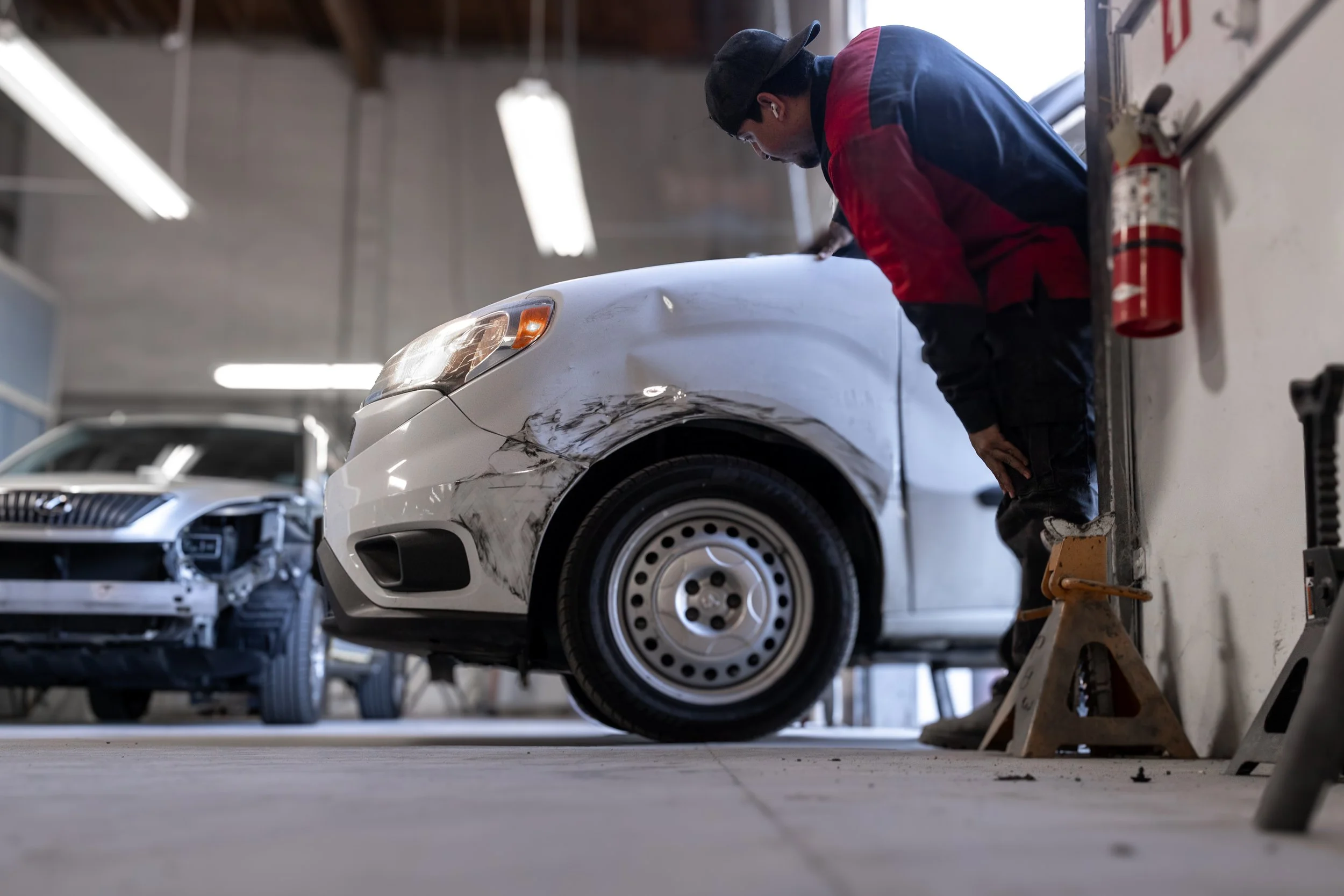
After a serious collision, the hidden damage to a vehicle’s structure can jeopardize its ability to protect occupants in a future crash. Manufacturers design vehicles as integrated systems—crumple zones, high-strength steel, and advanced driver-assistance sensors must all work together precisely. For this reason, a professional auto body shop Oxnard drivers rely on uses measurable, science-based repair methods rather than guesswork to restore structural integrity. Modern auto body shops therefore use measurable scientific methods rather than guesswork to ensure that a repaired vehicle is as safe as it was before the accident. Here’s how professionals verify structural safety during car accident repair, according to OEM service manuals, industry standards and safety authorities.
Thorough Damage Assessment Using OEM Reference Points
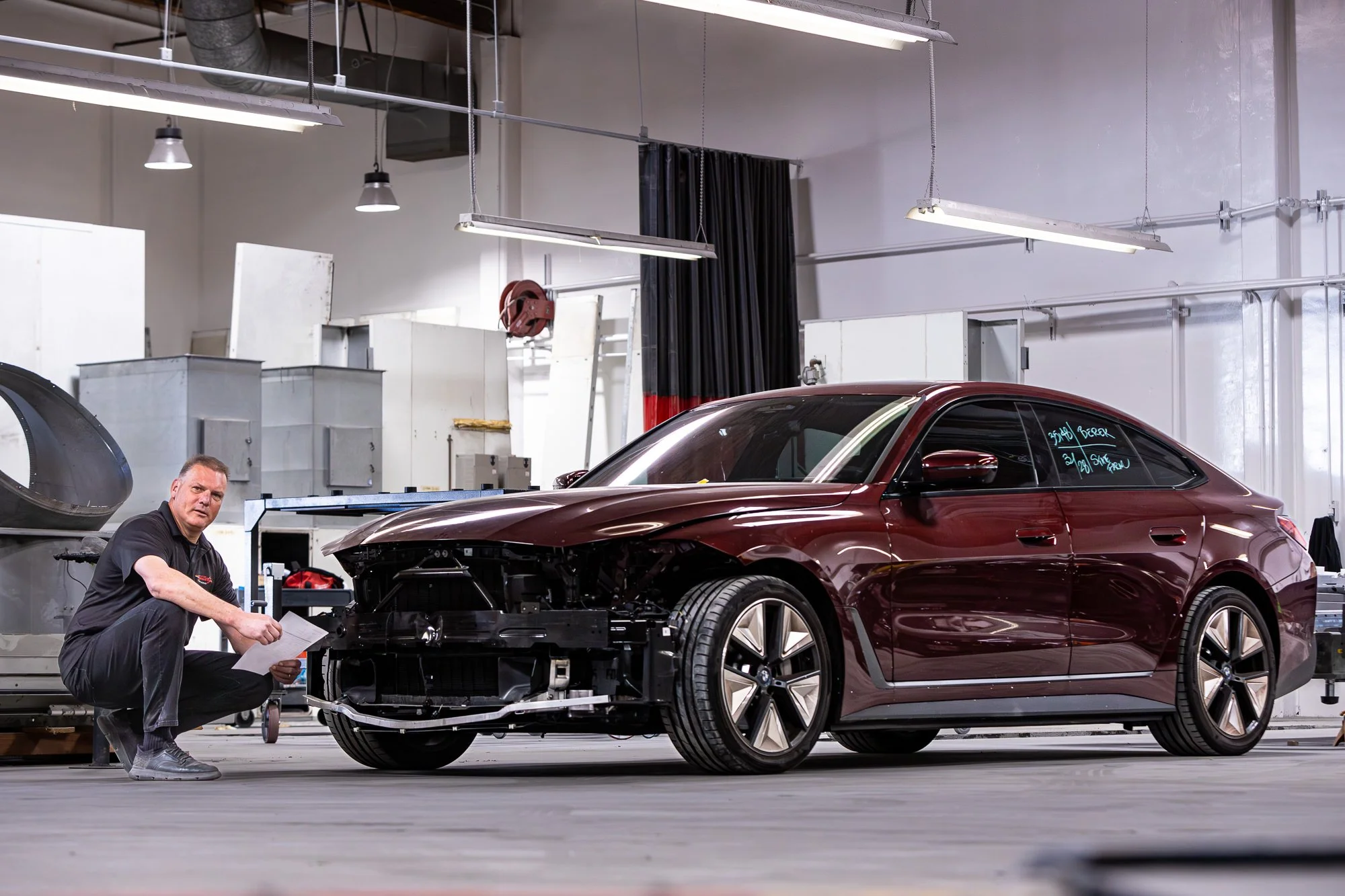
Before any repair begins, a technician performs an in‑depth inspection of the car’s frame and body to determine whether structural components are bent, twisted or crushed. I‑CAR, a not‑for‑profit training organization supported by the collision‑repair industry, notes that computerized three‑dimensional (3D) measuring systems give precise length‑, width‑ and height‑dimensional data compared with manufacturer reference points. Unlike simple tape measures or tram gauges, these systems map the entire structure and reveal hidden damage that visual inspection may miss. General Motors’ repair procedures explicitly call for the use of 3D measuring equipment to identify and correct structural distortion. FCA/Stellantis (Mopar) agrees that structural repairs must use a frame rack and 3D measuring to ensure that all distortion has been corrected.
Source: rts.i-car.com
Because modern vehicles use high‑strength steel and multi‑material structures, collision energy can travel along new load paths deep within the vehicle. Advanced measuring systems help technicians map these paths and determine exactly where the frame has deviated from OEM specifications. Detailed measurements are taken before repairs (to plan the work) and after repairs (to verify that the structure matches the manufacturer’s dimensional data). Shops often provide printed measurement reports to demonstrate that the vehicle has been restored to factory tolerances.
Precision Frame Straightening and Structural Repairs
Once damage is documented, technicians use specialized frame‑straightening equipment to restore the vehicle’s unibody or full frame to its original alignment. Hydraulic frame machines apply controlled pulling and clamping forces while referencing 3D measurement data. If the structure is bent beyond repair, OEM collision manuals may require sectioning or replacement of structural members. Repairs must follow each vehicle maker’s structural repair procedures, including welding methods, fastener types and adhesive usage. For example, a 2024 General Motors service bulletin restricts sales of structural collision parts for BrightDrop vehicles to shops that are part of the GM Collision Repair Network; the bulletin stresses that only certified facilities with the proper tools and training may order these parts, and the network monitors that pre‑ and post‑repair scans and quality‑control checks are completed. Such restrictions ensure that vehicles with high‑strength materials are repaired correctly and that their crashworthiness is preserved.
Source: static.nhtsa.gov
See how our Frame Straightening process restores structural integrity.
Welding and Reinforcement
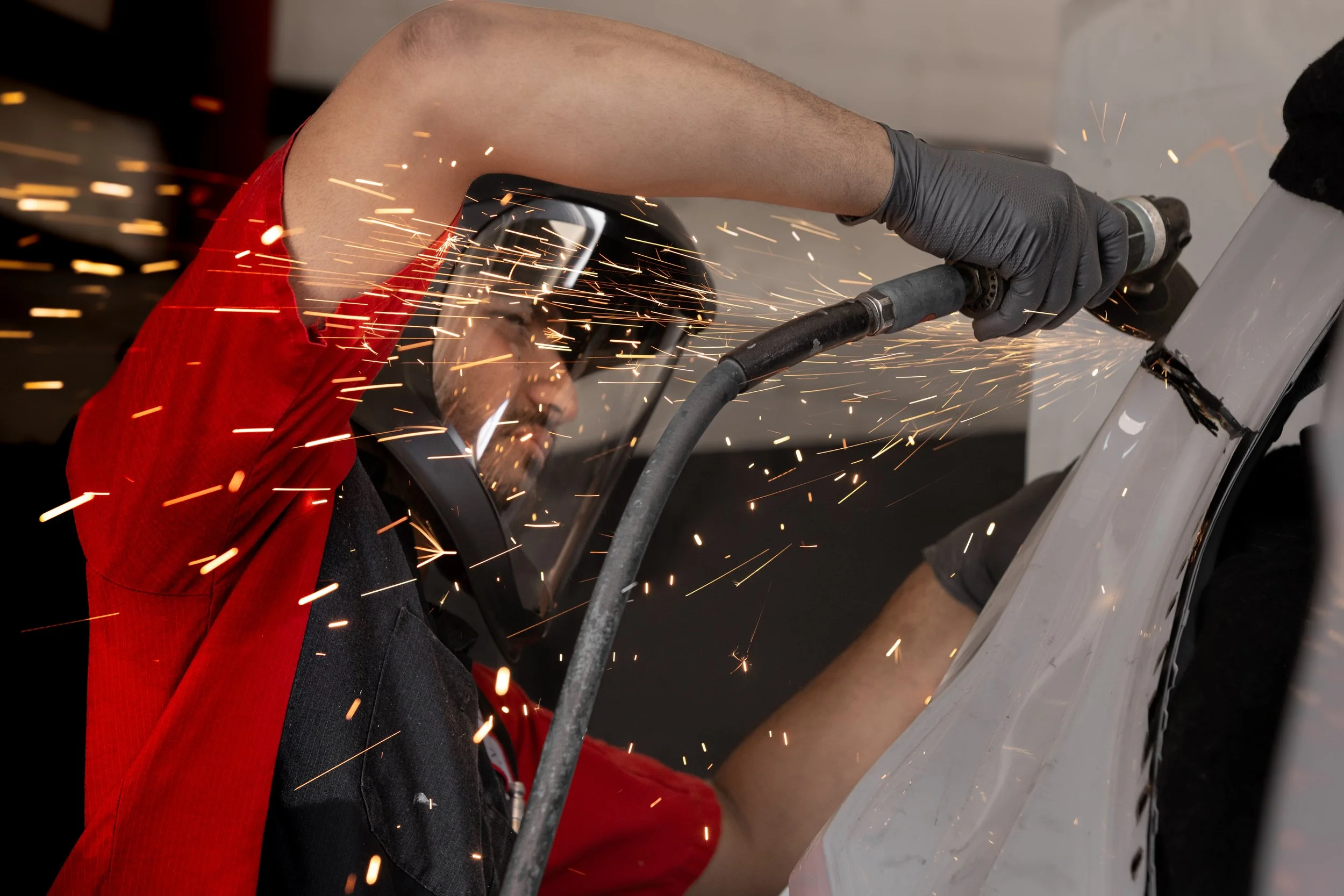
When structural members are cracked or torn, OEM repair manuals require specific welding techniques. Technicians must use the correct type of welder (e.g., MIG plug welding or MIG brazing), follow joint design, and apply corrosion protection to maintain strength. After welding, reinforcement plates or backing bars may be installed as prescribed. These procedures are documented in manufacturer body repair manuals and follow Society of Automotive Engineers (SAE) recommendations for collision repair.
Why Pre‑ and Post‑Repair Scans Matter
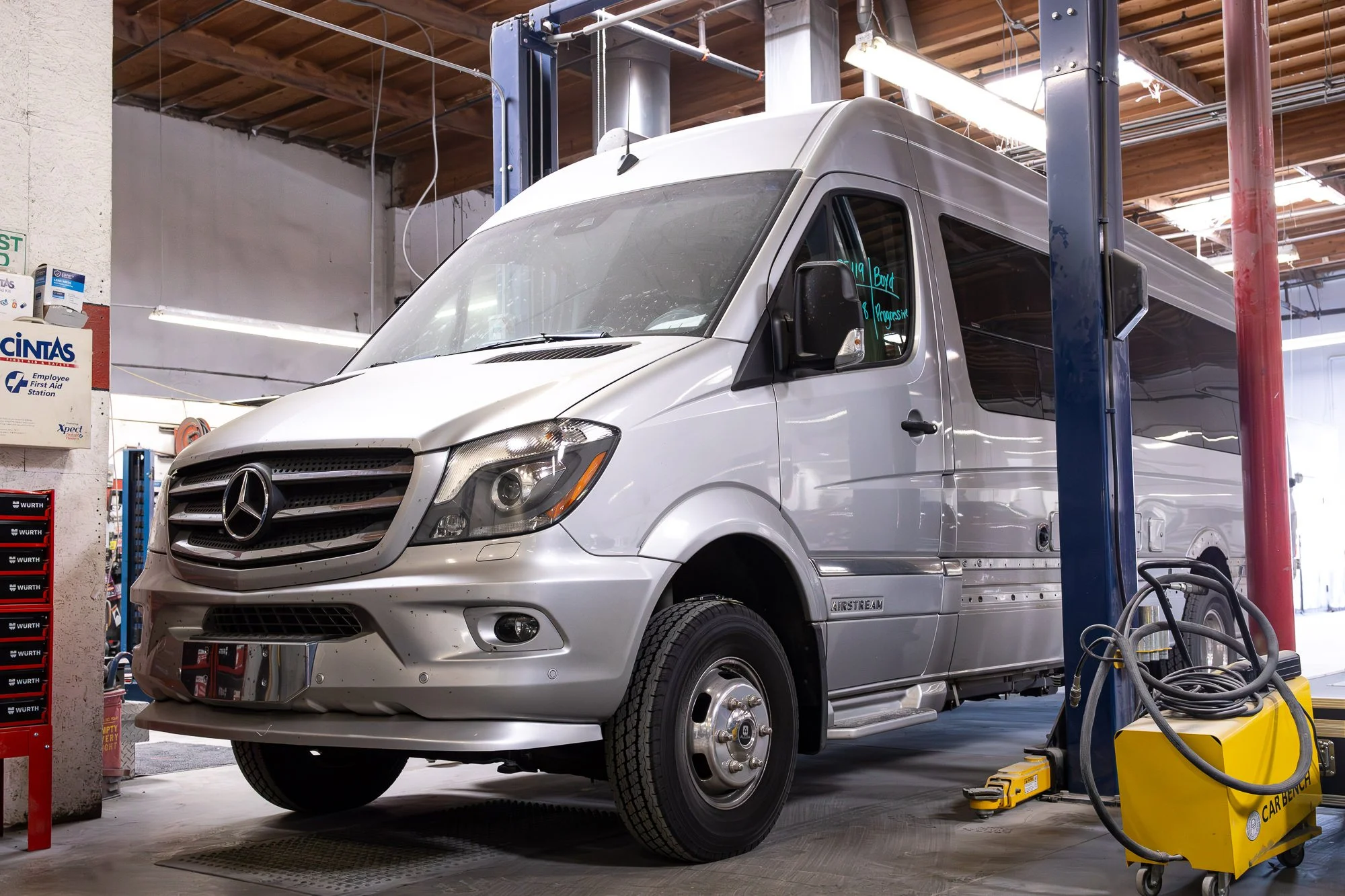
During a collision, impact forces or battery disconnects can set diagnostic trouble codes (DTCs) in sensors and control modules—even when no warning light is illuminated. Nissan’s collision position statement notes that all 2008 and newer Nissan vehicles must undergo a diagnostic system scan after repairs to ensure that DTCs are resolved and necessary system calibrations are completed. The statement explains that dashboard indicators are intended for driver notifications and are not an adequate method to determine whether a post‑repair scan is necessary.
Source: oem1stop.com.
Other manufacturers share similar requirements:
General Motors states that all vehicles being assessed for collision damage must be scanned for DTCs during the estimate and re‑scanned after repairs to verify that faults have been corrected. GM further notes that many safety and security‑related components require calibration or “learns” when replaced, and these procedures must follow service‑information guidelines (rts.i-car.com).
Subaru requires pre‑repair scans on model year 2004 and newer vehicles to reveal malfunctioning items and insists that post‑repair scanning verify that issues have been resolved and calibrations performed. Subaru specifies that technicians should use OEM Subaru diagnostic tools (SSM3/SSM4) to obtain accurate results and emphasizes that DTCs may not trigger warning lights (oem1stop.com).
Honda/Acura directs repairers to perform a diagnostic scan during the estimate to identify DTCs and a post‑repair diagnostic scan to confirm that no codes remain; any repair requiring disconnection of electrical components or replacement of body parts always requires a post‑repair scan. Honda points out that many DTCs do not illuminate dashboard indicators and that only the factory‑authorized diagnostic software (i‑HDS) can accurately determine vehicle status. oem1stop.com).
Mopar (FCA/Stellantis) emphasises that safety and security systems such as air‑bags, seat‑belt pretensioners, radar and camera sensors must be tested for DTCs using the Mopar wiTECH scan tool before and after repairs. The statement lists conditions that can trigger DTCs—including battery disconnects, significant disassembly and glass removal—and stresses that repairs must use Mopar parts and published procedures. (moparrepairconnect.com).
Mazda recommends scanning all vehicles before and after collision repairs, noting that DTCs will be stored if sensors, cameras or radars were damaged and urging the use of Mazda Genuine Parts and proper reprogramming (oem1stop.com).
By following these OEM mandates, auto body shops ensure that hidden faults are detected and that ADAS sensors (such as radar, cameras and ultrasonic sensors) are recalibrated according to manufacturer specifications. Failure to perform these scans can lead to misaligned ADAS sensors, delayed airbag deployment or disabled safety systems—issues that could jeopardize occupants in a future crash.
Quality‑Control Checks and Road Testing
After structural repairs and electronic diagnostics are complete, shops conduct final quality‑control checks. These include:
Wheel alignment and suspension checks: A misaligned frame can cause the vehicle to pull to one side, compromise tire wear and reduce crash protection. Technicians align the wheels and inspect suspension components to confirm that the vehicle tracks straight and maintains correct ride height.
Safety system verification: Airbag modules, seat‑belt pretensioners and occupancy sensors are inspected to ensure that all squibs have deployed as required and that replacements are installed correctly. The Mopar scan tool position statement instructs technicians to verify that all initiators (squibs) in multi‑stage airbags have cycled and that live pyrotechnic materials are safely handled (moparrepairconnect.com).
Road testing: A controlled road test ensures that steering, braking, driver‑assist features and engine performance operate normally. Any unusual noises, pulling or warning messages are addressed before returning the vehicle to the owner.
Trusting Professional Collision Repair Shops
Verified structural safety requires specialized tools, OEM procedures and trained technicians. Auto body shops that invest in 3D measuring systems, frame racks, OEM diagnostic equipment and welding certification demonstrate a commitment to restoring vehicles to factory condition. Many manufacturers, including General Motors, require shops to join certified collision networks to purchase structural partsv. Certified shops must document pre‑ and post‑repair scans, complete calibrations and follow OEM repair procedures to maintain network membership (static.nhtsa.gov).
When choosing a shop for car accident repair, look for qualifications such as I‑CAR Gold Class recognition or OEM‑certified collision center status. These credentials indicate that the shop follows industry‑recognized standards and invests in ongoing training. After repairs are completed, ask to see before‑and‑after measurement reports and diagnostic scan summaries—reputable shops are transparent about their work and provide warranties.
Learn more about our comprehensive Collision Repair services.
Conclusion
Structural safety after a crash is not something to guess at—it is measured, calibrated and verified.
Professional auto body shops follow OEM repair manuals, use 3D measuring systems to restore the frame to factory dimensions and perform pre‑ and post‑repair diagnostic scans to ensure that safety systems operate correctly.
By adhering to these procedures, certified technicians can confidently return a vehicle to the road, knowing it offers the same level of protection it did before the crash. When you entrust your collision repair to experts, you can drive away with peace of mind that your vehicle’s structure and safety systems have been thoroughly tested and restored.
