

What To Do Immediately After a Car Accident: A Step-by-Step Guide for California Drivers
Quick Answer
Being involved in a car accident can be overwhelming, but knowing what to do next can help protect your safety, simplify the insurance claims process, and prepare your vehicle for proper repairs. Start by checking for injuries, moving to a safe location if possible, contacting emergency services when necessary, exchanging information with the other driver, documenting the accident scene, notifying your insurance company, understanding California's reporting requirements, and scheduling a professional collision inspection.
Whether your accident happens on Highway 101, Pacific Coast Highway, or a neighborhood street in Oxnard, following these steps can help you stay organized during a stressful situation. While California agencies provide important legal and safety guidance, understanding what happens after the accident—and what collision repair professionals look for—can help you make informed decisions throughout the repair process.
The 30-Second Checklist
If you've just been involved in a collision, remember these eight steps:
Check for injuries.
Move to a safe location if possible.
Call 911 when necessary.
Exchange driver and insurance information.
Photograph the accident scene.
Notify your insurance company.
Report the accident to the California DMV if required.
Schedule a professional collision inspection.
What To Do After a Car Accident at a Glancez
| Step | What To Do | Why It Matters |
|---|---|---|
| 1 | Check for Injuries | Your safety and the safety of everyone involved should always come first. |
| 2 | Move to a Safe Location | If the vehicles can be moved safely, relocating helps reduce the risk of another collision. |
| 3 | Call 911 When Needed | Emergency responders can assist with injuries, hazards, and official reporting. |
| 4 | Exchange Information | Collect the information needed for your insurance claim. |
| 5 | Document the Scene | Photos and notes help support both the insurance and repair process. |
| 6 | Notify Your Insurance Company | Reporting the accident begins the claims process. |
| 7 | Report the Accident if Required | Some California accidents must also be reported to the DMV. |
| 8 | Schedule a Collision Inspection | A professional inspection can identify visible and hidden damage before repairs begin. |
Step 1: Check for Injuries
Your first priority should always be the health and safety of everyone involved.
Check yourself and your passengers for injuries before exiting your vehicle. If anyone is seriously injured, call 911 immediately and request emergency medical assistance. If it is safe to do so, remain at the scene until emergency responders arrive.
Once everyone is safe, avoid making assumptions about your vehicle's condition based solely on what you can see. Modern vehicles are designed to absorb collision forces through carefully engineered components, and damage isn't always obvious from the outside.
At Prestige Bodyworks Auto Collision, we've inspected vehicles that appeared to have only a cracked bumper cover but were later found to have damaged bumper reinforcements, mounting brackets, or driver assistance system components behind the exterior panels. While not every accident causes hidden damage, a professional inspection can help determine whether repairs extend beyond what is immediately visible.
Step 2: Move to a Safe Location If Possible
If the collision is minor and your vehicle can be moved safely, relocate it out of active traffic to reduce the risk of another collision. Turn on your hazard lights and move to a safe area while exchanging information.
If your vehicle cannot be moved safely, leave it where it is, activate your hazard lights if possible, and wait for emergency responders.
Even if the damage appears minor, pay attention to warning lights, fluid leaks, unusual noises, or steering changes before deciding to continue driving. These signs don't necessarily indicate major damage, but they may warrant a professional inspection before the vehicle returns to normal use.
Step 3: Contact Law Enforcement When Appropriate
Depending on the circumstances, law enforcement may need to respond to the accident.
Call 911 immediately if:
Anyone is injured.
A roadway is blocked.
There is a fire or hazardous condition.
You suspect impaired driving.
The accident involves significant property damage.
An official accident report can also help support the insurance claims process by documenting the basic facts of the collision.
Step 4: Exchange Information
Exchange the following information with every driver involved in the accident:
Full name
Phone number
Address
Driver's license number
Insurance company
Insurance policy number
Vehicle registration
License plate number
Keep the conversation focused on exchanging information rather than discussing who was at fault. Determining liability is typically handled during the insurance investigation, so it's generally best to avoid making assumptions or accepting responsibility at the scene.
If the other driver has digital proof of insurance, consider asking them to text or email it to you before leaving. Having an electronic copy can help reduce errors when you begin the claims process.
Step 5: Document the Accident Scene
If it is safe to do so, take photographs before the vehicles are moved.
Helpful photos include:
Vehicle damage
License plates
The surrounding roadway
Traffic signs and signals
Skid marks
Debris
Weather and road conditions
You should also record:
Date and time
Accident location
Witness names and contact information
A brief description of what happened
Many drivers focus only on close-up photos of the damaged area, but wider photos of the accident scene can be just as valuable. They help document vehicle positions, traffic flow, road conditions, and the overall circumstances surrounding the collision, providing useful context during both the insurance and repair process.
Important Information to Collect
| Information | Why It Matters |
|---|---|
| Driver's Name | Required for insurance claims and future communication. |
| Contact Information | Makes it easier for insurance companies to follow up if needed. |
| Insurance Company | Needed to begin the claims process. |
| Policy Number | Helps verify insurance coverage. |
| Driver's License Number | Confirms the driver's identity. |
| License Plate Number | Identifies the vehicle involved. |
| Witness Information | May provide additional details about how the accident occurred. |
| Photos of the Scene | Helps document vehicle damage and accident conditions. |
Step 6: Notify Your Insurance Company
Contact your insurance company as soon as practical after the accident.
They may ask for:
Photos of the damage
Driver information
Police report information (if available)
A description of how the accident occurred
Many drivers expect the initial insurance estimate to represent the final repair cost. In reality, the first estimate is often based on the visible damage that can be seen before repairs begin.
As technicians disassemble damaged areas during the repair process, additional accident-related damage may sometimes be discovered behind body panels or structural components. When this happens, the repair facility documents the findings and submits a supplemental estimate to the insurance company for review before repairs continue.
This is a common part of collision repair and helps ensure that all accident-related damage is properly identified and addressed rather than leaving hidden issues unresolved.
At Prestige Bodyworks, our team works directly with insurance companies throughout this process by documenting repairs, communicating supplemental findings when necessary, and keeping customers informed as the repair progresses.
Know Your Right to Choose a Collision Repair Shop
After reporting the accident to your insurance company, you'll likely begin discussing repair options. Many California drivers are surprised to learn that they generally have the right to choose where their vehicle is repaired.
Under California Insurance Code §758.5, an insurance company may recommend a repair facility, but it generally cannot require you to use a particular collision repair shop.
California Drivers: Know Your Rights
You generally have the right to choose the collision repair facility that repairs your vehicle. While your insurance company may recommend a shop within its network, the final decision is typically yours. If you're unsure about your options, ask your insurance representative to explain your rights before authorizing repairs.
Choosing a repair facility you trust also means you'll have direct access to the technicians and estimators handling your vehicle, making it easier to ask questions and stay informed throughout the repair process.
At Prestige Bodyworks Auto Collision, we work with all major insurance companies and help customers understand each stage of the repair process while communicating directly with insurers whenever additional documentation or approvals are needed.
Step 7: Schedule a Professional Collision Inspection
Once you've selected a repair facility, the next step is scheduling a professional collision inspection.
Many drivers assume a collision inspection is simply a walk-around estimate. In reality, it's one of the most important parts of the repair process because it helps determine the full extent of the damage before repairs begin.
At Prestige Bodyworks, every repair starts with a detailed inspection and blueprinting process. Rather than focusing only on visible damage, our technicians evaluate the vehicle for structural, mechanical, and electronic damage that may not be immediately apparent.
Depending on the collision, this inspection may include evaluating:
Exterior body panels
Structural components
Steering and suspension systems
Wheels and tires
Lighting systems
Cooling components
Electronic safety systems
Advanced Driver Assistance Systems (ADAS)
Not every collision results in hidden damage, but when additional damage is discovered, identifying it early helps create a more complete repair plan and reduces unexpected delays later in the repair process.
What Happens After You Drop Off Your Vehicle?
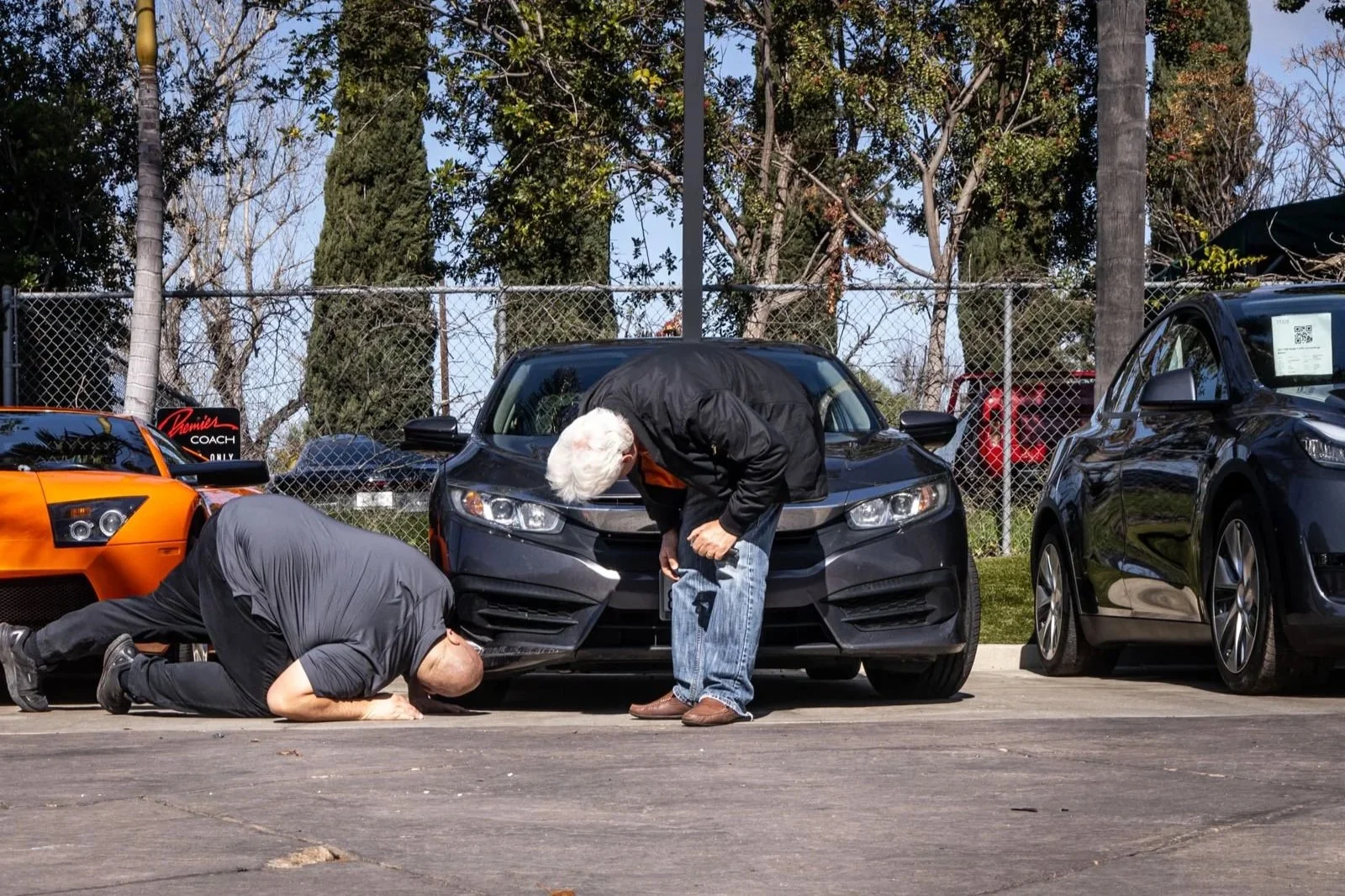
Many vehicle owners have never been through the collision repair process before and aren't sure what happens after they hand over their keys.
While every repair is different, most vehicles move through a series of similar stages before being returned to the customer.
| Repair Stage | What Happens |
|---|---|
| Vehicle Check-In | Your vehicle is photographed, documented, and reviewed with you so our team understands the accident details and your repair concerns. |
| Blueprinting & Damage Assessment | Technicians inspect visible damage and, when appropriate, disassemble damaged areas to identify additional repairs that may not be visible during the initial estimate. |
| Insurance Communication | If additional accident-related damage is discovered, the repair facility documents the findings and communicates with the insurance company regarding supplemental repairs when necessary. |
| Structural & Body Repairs | Damaged components are repaired or replaced according to applicable manufacturer repair procedures. |
| Paint & Refinishing | Advanced color-matching technology helps restore your vehicle’s finish while blending repaired panels with surrounding areas when appropriate. |
| Quality Inspection | Completed repairs are reviewed before delivery, and required system checks or calibrations are performed according to applicable manufacturer procedures. |
| Vehicle Delivery | Our team reviews the completed repairs with you and answers any remaining questions before returning your vehicle. |
If you'd like to learn more about each stage in greater detail, read our guide: Car Accident Repair: Step-by-Step From Drop-Off to Delivery.
Common Mistakes to Avoid After a Car Accident
Even experienced drivers can make mistakes after a collision. Avoiding these common issues can help make the insurance and repair process much smoother.
Assuming Minor Damage Doesn't Need Inspection
Modern vehicles are built with complex structural components and safety technology. Even if your vehicle appears drivable, a professional inspection can determine whether additional repairs are needed.
Admitting Fault at the Scene
Remain respectful and cooperative, but avoid making statements about who caused the accident. Insurance companies investigate the circumstances using the available evidence.
Forgetting to Take Photos
Photographs often become valuable references during the claims and repair process. Capture both close-up damage and wider views of the accident scene whenever it's safe to do so.
Waiting Too Long to Contact Your Insurance Company
Promptly reporting the accident helps begin the claims process and allows your insurer to explain the next steps based on your coverage.
Skipping Recommended Repairs
Visible damage is only one part of a collision. Delaying repairs may allow accident-related issues to go unaddressed and could make future repairs more complicated.
Frequently Asked Questions
-
If your vehicle can be moved safely and doing so helps reduce the risk of another collision, move it to a safe location. If it cannot be moved safely, leave it where it is and wait for emergency responders.
-
Not every collision requires DMV reporting. However, accidents involving injuries, fatalities, or qualifying property damage generally require an SR-1 Report of Traffic Accident to be submitted within the timeframe established by the California DMV.
-
Yes. California drivers generally have the right to choose the collision repair facility that repairs their vehicle, even if an insurance company recommends another shop.
-
The initial estimate is often based on the damage that can be seen before repairs begin. During the repair process, technicians may discover additional accident-related damage that requires a supplemental estimate for the insurance company's review.
Learn more in our article: Insurance Estimate vs. Body Shop Estimate: What's the Difference?
-
Yes. Some accident-related damage isn't immediately visible and may affect structural components, steering, suspension, or vehicle safety systems. A professional inspection can help determine whether additional repairs are necessary.
The Bottom Line
The moments following a car accident can feel overwhelming, but taking the right steps can make the process easier from start to finish. Prioritizing safety, documenting the accident, understanding your insurance responsibilities, and choosing a trusted collision repair facility all play an important role in getting your vehicle back on the road safely.
While California agencies provide valuable guidance on what drivers should do after a collision, understanding what happens once your vehicle reaches a repair facility can help you make more informed decisions and set realistic expectations throughout the repair process.
If you've been involved in an accident in Oxnard, Ventura, Camarillo, Port Hueneme, or elsewhere in Ventura County, Prestige Bodyworks Auto Collision is here to help. Our experienced team can inspect your vehicle, explain your repair options, work directly with your insurance company throughout the claims process, and restore your vehicle using manufacturer-recommended repair procedures whenever applicable.
Whether you're dealing with a minor fender bender or more extensive collision damage, our goal is to make the repair experience as straightforward, transparent, and stress-free as possible.
