

How Auto Body Shops Verify Structural Safety After a Crash
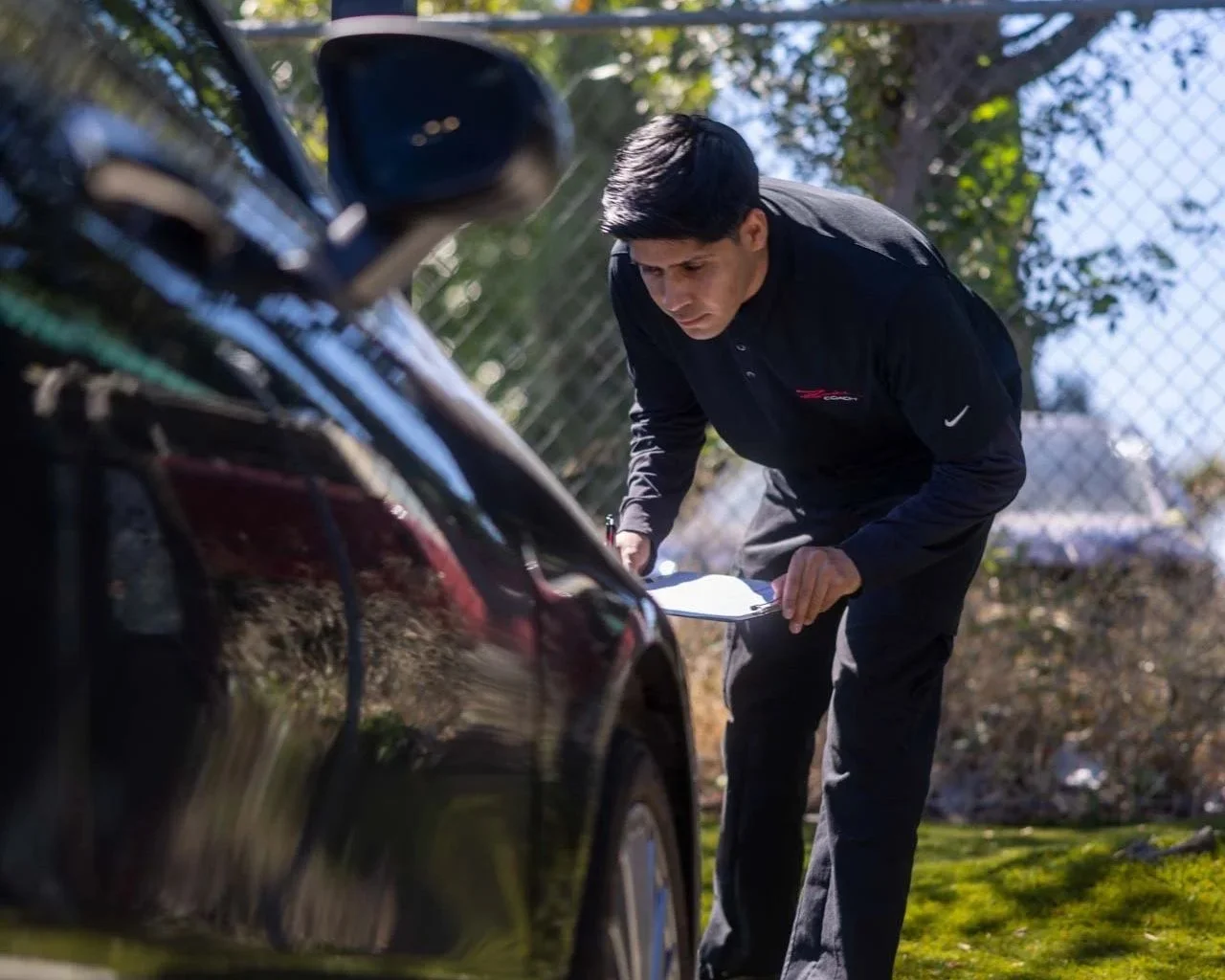
After an accident, most drivers first notice what they can see: a damaged bumper, bent fender, uneven panel, or scratched paint.
However, appearance is only one part of car accident repair.
When a collision affects structural areas, technicians need to determine what was damaged, whether alignment was affected, and which repair procedures apply to the specific vehicle.
Depending on the damage, that process may involve visual inspection, structural measurements, manufacturer repair information, specialized equipment, and post-repair checks.
For drivers in Oxnard and Ventura County, understanding these steps can make it easier to evaluate a repair plan and understand what happens beyond the cosmetic work.
Step 1: Inspecting Beyond the Visible Damage
Structural evaluation begins with understanding where and how the vehicle was damaged.
Technicians may start by inspecting visible areas such as:
Bumpers
Fenders
Quarter panels
Doors
Hood
Trunk or liftgate
However, the exterior panel does not always provide a complete picture of the affected area.
For example, a damaged bumper cover may have brackets, reinforcements, mounting points, sensors, or structural components behind it.
This does not mean hidden structural damage exists after every accident. Instead, the location and type of damage help technicians determine which areas need further evaluation.
Related: Collision Repair
Step 2: Understanding the Vehicle's Structure
Drivers commonly use the word “frame” to describe the underlying structure of a vehicle. However, vehicle construction varies.
Many modern passenger vehicles use unibody construction, where different structural sections work together as part of the vehicle body. Other vehicles may use different construction methods.
Depending on the vehicle, structural areas can include:
Rails
Pillars
Aprons
Reinforcements
Crossmembers
Floor sections
Mounting points
This distinction matters because technicians first need to identify which component was damaged before determining how that component should be repaired.
The Insurance Institute for Highway Safety (IIHS) uses different test configurations, including frontal and side tests, to evaluate how vehicles respond under specific crash conditions. Although controlled crash testing is not the same as evaluating an individual collision repair, it demonstrates why vehicle structure and impact configuration matter when evaluating crash performance.
Source:
IIHS – Test Protocols and Technical Information
Step 3: Measuring Structural Alignment
A visual inspection can reveal obvious deformation, but appearance alone may not provide all the information technicians need.
Depending on the vehicle and damage, structural measuring equipment may be used to evaluate alignment against vehicle-specific dimensions or reference points.
Measurements can help technicians evaluate questions such as:
Has an affected structural area shifted?
Which areas require correction?
Is additional damage present?
Do repaired areas meet applicable dimensional requirements?
However, structural measurement is not automatically required after every collision.
The appropriate inspection and measurement process depends on the vehicle and damage involved.
I-CAR's Repairability Technical Support provides collision repair professionals with technical information, OEM repair information resources, and industry best practices covering numerous repair operations.
Source:
I-CAR Repairability Technical Support – Best Practices
What Different Structural Repair Checks Tell Technicians
Structural repair may involve several types of checks. The exact process depends on the vehicle, damage, and repair requirements.
| Repair Check | What It Helps Evaluate |
|---|---|
| Visual Inspection | Visible damage, deformation, panel alignment, and areas that may require closer evaluation |
| Structural Measurement | Vehicle dimensions and structural alignment when measurement is appropriate |
| Manufacturer Repair Information | Vehicle-specific repair methods, limitations, materials, and procedures |
| Repair-Area Reinspection | Condition of repaired or replaced components and surrounding areas |
| Post-Repair Checks | Applicable systems, diagnostics, or procedures that need verification after repairs |
Step 4: Using Manufacturer Repair Information
Identifying structural damage is only part of the process.
Technicians also need to determine what repair method applies to the damaged component.
Depending on the manufacturer, vehicle, and component, repair information may address:
Whether a component can be repaired
When replacement is specified
Sectioning locations
Attachment methods
Welding procedures
Material-specific requirements
Corrosion protection
Measurement specifications
Related inspection procedures
This distinction is important:
Finding structural damage and determining how to repair it are two different steps.
The inspection identifies the condition of the vehicle. Manufacturer repair information helps technicians determine the applicable repair approach.
I-CAR maintains technical resources and best-practice guidance covering collision repair operations and repairability questions.
Source:
I-CAR – Best Practices
Step 5: Frame Straightening When Appropriate
When inspection and measurement identify structural misalignment, frame straightening may be one part of the repair process when appropriate for the affected area.
Structural repair equipment allows trained technicians to apply controlled force while monitoring the areas being corrected.
However, frame straightening is not automatically the correct procedure for every damaged structural component.
Depending on the vehicle and applicable manufacturer repair information, a damaged component may instead require replacement or another specified repair method.
Therefore, the repair decision should start with the vehicle, component, damage, and applicable procedure rather than assuming every structural component can simply be pulled back into position.
Before and After Structural Repair
Structural repair involves evaluating the vehicle before work begins and checking the affected areas again after the repair.
| Before Structural Repair | After Structural Repair |
|---|---|
| Identify visible and related collision damage | Reinspect repaired areas |
| Determine which structural areas are affected | Recheck applicable measurements |
| Review manufacturer repair information | Verify applicable repair operations were completed |
| Establish measurements when needed | Complete applicable diagnostic or system checks |
| Develop the repair plan | Perform final quality-control inspection |
Step 6: Considering Cameras, Sensors, and ADAS
Modern car accident repair may also involve technology located around or connected to repaired areas.
Depending on the vehicle, these systems can include:
Cameras
Radar
Parking sensors
Blind spot monitoring components
Other Advanced Driver Assistance Systems (ADAS)
A structural or body repair does not automatically mean every ADAS component requires calibration.
Instead, technicians need to determine whether additional procedures apply based on the vehicle, damage, components involved, and manufacturer repair information.
This is another reason professional collision repair increasingly requires technicians to consider both physical vehicle structure and integrated technology.
Step 7: Final Inspection and Repair Verification
After structural repairs are completed, technicians evaluate the areas involved before the vehicle is returned.
Depending on the repair, final verification may include:
Inspecting repaired structural areas
Rechecking applicable measurements
Reviewing panel fit and alignment
Confirming specified repair operations were completed
Performing applicable scans or diagnostics
Completing required ADAS-related procedures
Inspecting paint and refinishing work
Performing final quality-control checks
Not every repair requires every item on this list.
Instead, post-repair verification should correspond to the repairs performed and applicable vehicle requirements.
Common Misunderstanding: “If Everything Lines Up, the Structure Must Be Correct”
Proper panel alignment matters, but exterior appearance alone is not a complete structural assessment.
A vehicle may require additional measurement or inspection even when repaired panels appear properly aligned.
Likewise, an unusual panel gap does not automatically prove that structural damage exists.
Technicians use the appropriate combination of inspection, measurement, and repair information to determine what the vehicle requires.
Common Misunderstanding: “Frame Straightening Just Pulls the Car Back Into Shape”
Modern structural repair is more involved than pulling damaged metal until the vehicle looks straight.
Technicians may need to determine:
Which component was damaged
What material it is made from
Whether repair is permitted
Whether replacement is required
Where corrections or sectioning are permitted
What dimensions apply
Which joining or attachment procedures apply
This is why repair information, equipment, and technician knowledge all matter during structural repair.
What Drivers Should Ask About Structural Repairs
You do not need to be a collision repair technician to ask useful questions about your vehicle.
Instead, focus on understanding what was identified, how the repair will be completed, and how the work will be checked afterward.
Questions to Ask About Structural Collision Repair
You do not need to understand every technical repair procedure. Instead, ask questions that help you understand how the shop evaluated and plans to repair your vehicle.
| Question to Ask | Why It Matters |
|---|---|
| What structural damage was identified? | Helps you understand what was found beyond the visible exterior damage |
| Were structural measurements needed? | Clarifies whether dimensions or alignment needed additional evaluation |
| What manufacturer procedures apply? | Helps explain why a particular repair or replacement method was selected |
| Will measurements be checked again? | Helps you understand how applicable structural work will be verified |
| Are diagnostics or ADAS procedures needed? | Addresses vehicle technology that may be related to the affected or repaired area |
| How will the completed repair be inspected? | Helps clarify the shop's final verification and quality-control process |
Consumer guidance from the National Collision Authority also recommends considering factors such as certifications, technician qualifications, equipment, repair procedures, warranties, and communication when evaluating a collision repair facility.
Source:
National Collision Authority – Choosing a Collision Repair Shop
How Prestige Bodyworks Approaches Structural Collision Repair
At Prestige Bodyworks in Oxnard, structural car accident repair begins with understanding the vehicle and the damage involved.
Our technicians evaluate affected areas, review applicable repair information, and use structural repair and measuring equipment when required by the repair plan.
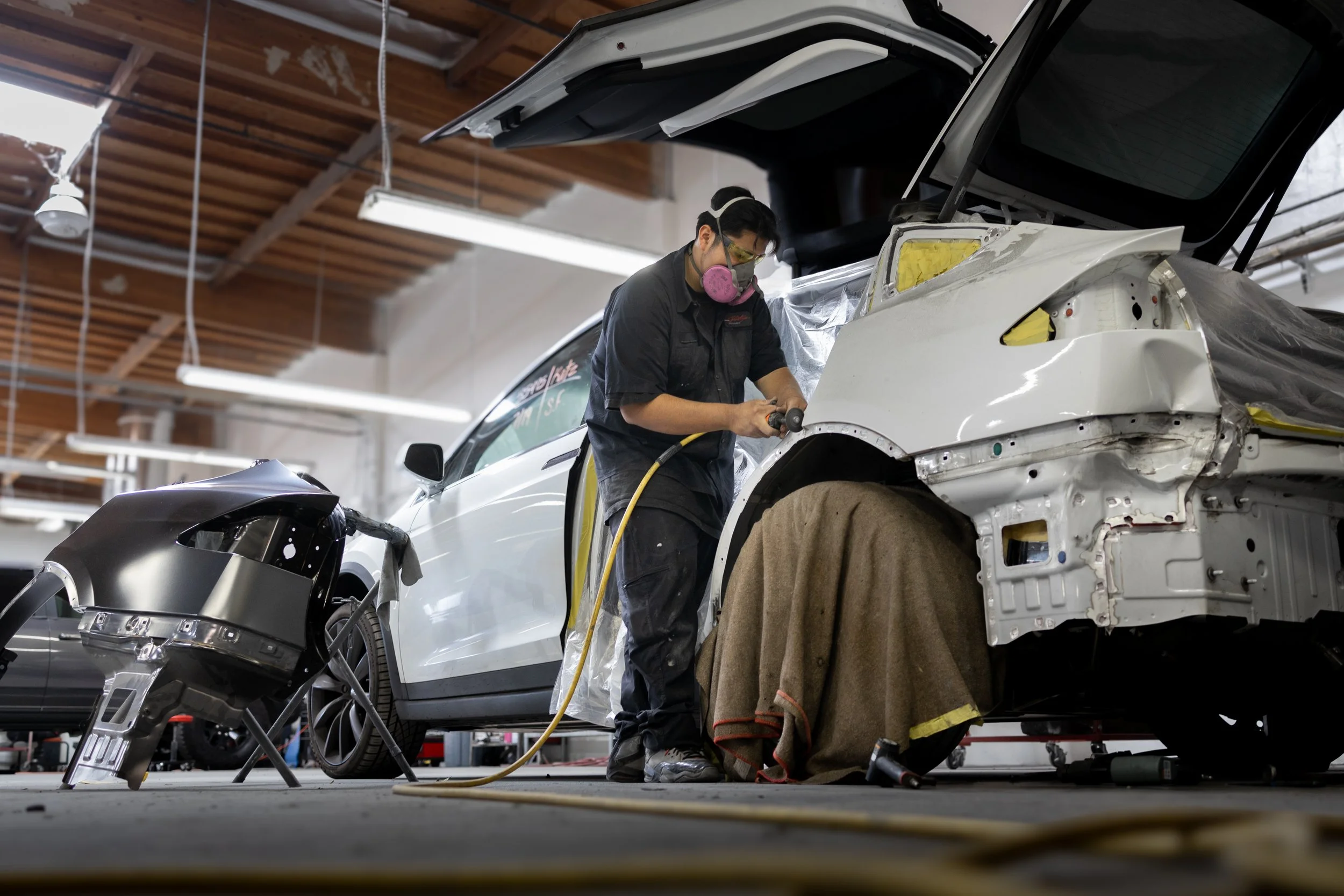
When frame straightening or other structural work is needed, we focus on completing the appropriate repair operations and verifying the areas involved rather than judging the completed repair by appearance alone.
Prestige Bodyworks assists drivers throughout Oxnard, Ventura, and Camarillo with:
Collision repair
Frame straightening
Structural repair
Body and paint repair
Insurance claim assistance
Applicable post-repair checks
Drivers can also begin the process using our virtual estimate tool.
Photos can help document visible damage and start the estimate process. However, because structural or hidden damage may require closer inspection or measurement, an online photo estimate may not identify everything required for the final repair plan.
-
Depending on the vehicle and repair, technicians may use structural measuring equipment and vehicle-specific dimensions or reference points to evaluate alignment. Visual appearance alone may not provide all the information required.
-
No. Whether structural measurements are appropriate depends on the vehicle, impact, damage identified, and repair plan.
-
No. The appropriate repair depends on the component, vehicle construction, damage, and applicable manufacturer repair information. Some damaged structural components may require replacement or another specified procedure.
-
Not necessarily. Depending on the repair, technicians may also need to verify measurements, inspect repaired areas, complete specified repair operations, and address applicable vehicle systems.
-
Vehicles differ in materials, construction, joining methods, and repair limitations. Manufacturer information helps technicians determine the applicable repair approach for the specific vehicle and damaged component.
-
Ask about the shop's experience, technician training, equipment, manufacturer certifications when applicable, repair procedures, warranty, and how the facility verifies completed repairs.
Most importantly, choose a facility that can clearly explain the repair plan for your specific vehicle.
Frequently Asked Questions
Conclusion
Verifying structural repairs after a crash involves more than looking at the finished vehicle.
Depending on the damage, professional car accident repair may involve inspection, structural measurements, manufacturer repair information, appropriate repair equipment, and final verification.
Together, those steps allow technicians to evaluate the completed repair based on the vehicle, the damage identified, and the work actually performed.
Contact Prestige Bodyworks for certified repairs done right the first time.
