

Does Insurance Cover OEM Parts or Aftermarket Parts After an Accident?
Does Insurance Cover OEM Parts After a Collision?
After a car accident, many drivers focus on repair costs and timelines.
However, another important part of the repair process is understanding what replacement parts may be used.
A common question drivers ask is:
“Will my insurance cover OEM parts?”
The answer depends on several factors, including your insurance policy, claim details, vehicle, and repair requirements.
Knowing the difference between OEM and aftermarket parts can help you better understand your estimate before repairs begin.
Key Takeaway
Insurance coverage for OEM parts varies by policy.
Some policies may include OEM replacement coverage, while others may allow alternative replacement parts.
Before approving repairs, review:
The parts listed on your estimate
Your policy details
Available repair options
Manufacturer repair information when applicable
What Are OEM Parts?
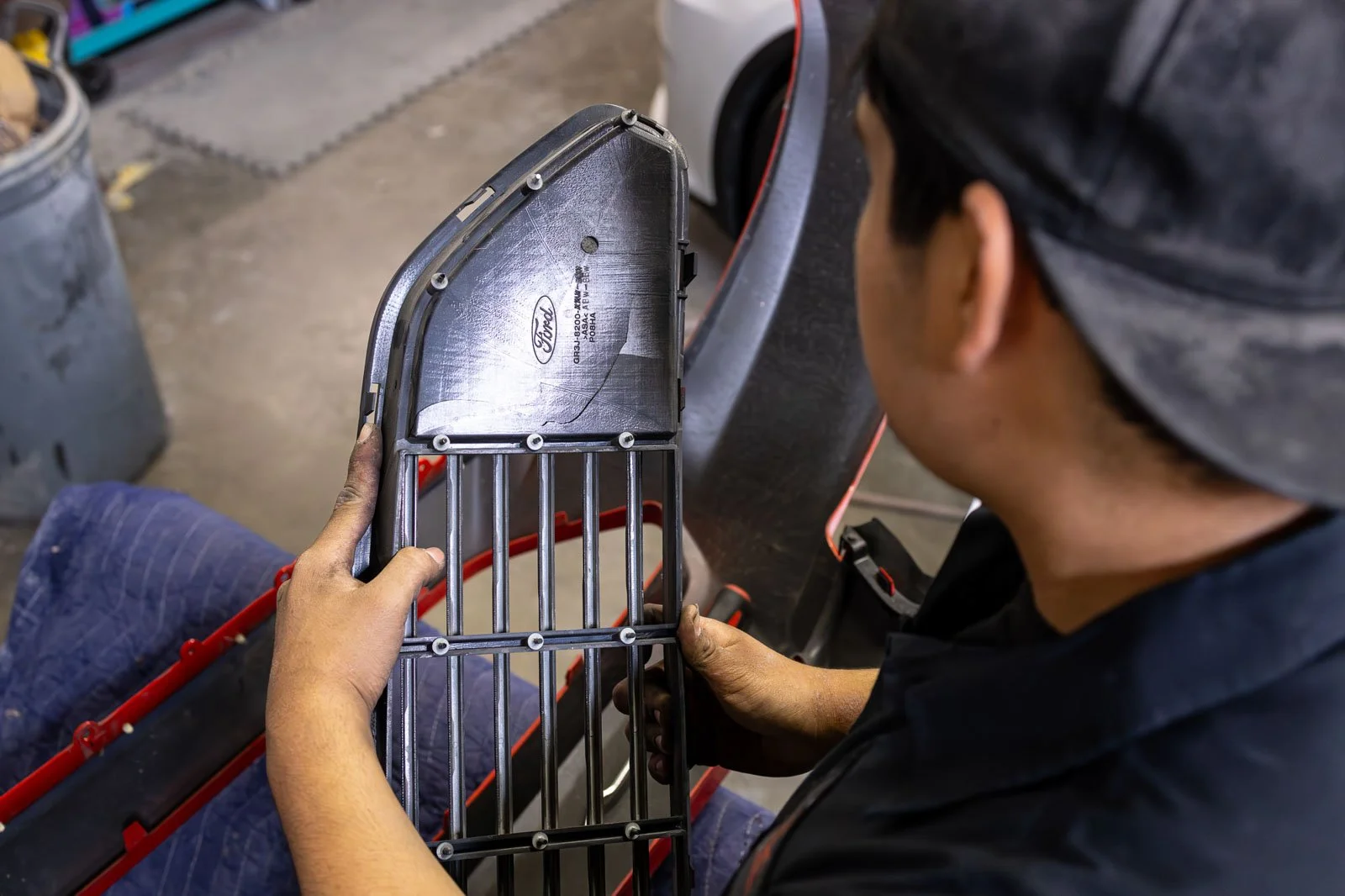
OEM stands for Original Equipment Manufacturer.
These parts are made by the vehicle manufacturer or approved suppliers and are designed for a specific vehicle model.
OEM parts may include:
Body panels
Bumper components
Lights
Certain structural or electronic components
What Are Aftermarket Parts?
Aftermarket parts are replacement parts made by companies other than the original vehicle manufacturer.
They are commonly used in vehicle repairs and can vary depending on:
Manufacturer
Design
Application
Quality standards
Aftermarket does not automatically mean poor quality. The important factor is whether the selected part is appropriate for the vehicle and repair.
OEM Parts vs Aftermarket Parts
| Category | OEM Parts | Aftermarket Parts |
|---|---|---|
| Source | Vehicle manufacturer or approved supplier | Third-party manufacturer |
| Design | Designed for a specific vehicle model | Designed as a replacement alternative |
| Availability | Depends on manufacturer supply | May offer more replacement options |
| Cost | Often higher | Often lower |
| Consideration | Built to manufacturer specifications | Depends on manufacturer, application, and repair requirements |
Does Insurance Have to Use OEM Parts?
Not always.
Insurance coverage depends on the terms of your policy and the circumstances of the repair.
Some insurance policies include OEM part coverage, while others may specify the use of alternative replacement parts.
In California, regulations require specific disclosures when non-original equipment manufacturer replacement crash parts are specified during covered repairs.
Source:
California Code of Regulations Title 10 §2695.8 – Additional Standards Applicable to Automobile Insurance
Related:
Why Insurance Estimates and Body Shop Estimates Are Different After an Accident
Why Part Selection Matters
Choosing parts is only one part of collision repair.
A proper repair also depends on:
Following repair procedures
Correct installation
Technician training
Proper inspections
Even the right part must be installed correctly to complete a quality repair.
For newer vehicles, especially vehicles with advanced technology, repair requirements may involve additional manufacturer information or procedures.
Modern vehicles often use cameras, sensors, and driver assistance technology that require proper inspection and repair considerations after a collision.
Source:
National Highway Traffic Safety Administration (NHTSA) – Driver Assistance Technologies
Related:
What Is a Post-Repair Inspection and Why It Matters
How Prestige Bodyworks Handles Repair Decisions
At Prestige Bodyworks in Oxnard, our team reviews the complete repair requirements before moving forward.
As a Tesla Approved and BMW Certified collision repair facility, our technicians understand that modern vehicles may require specific repair procedures, equipment, and documentation.
Industry repair resources emphasize the importance of accessing vehicle-specific repair information because procedures can vary by manufacturer, model, and repair type.
We assist guests throughout Oxnard, Ventura, and Camarillo with:
Insurance communication
Repair documentation
OEM repair procedures when applicable
Collision repair
Paint refinishing
Our goal is to help guests understand their repair options and feel confident throughout the process.
Frequently Asked Questions
-
Yes. You can discuss OEM parts with your repair facility and insurance company. Coverage depends on your policy and repair situation.
-
No. OEM coverage depends on your specific insurance policy and claim details.
-
No. Aftermarket parts vary. The important factor is selecting the correct part for the specific repair.
Conclusion
OEM and aftermarket parts both play a role in collision repair.
Instead of focusing only on the part name, drivers should understand the complete repair process, including parts selection, installation, and repair procedures.
Choosing an experienced repair facility helps ensure your vehicle receives the attention required after an accident.
Contact Prestige Bodyworks for certified repairs done right the first time.
