

Can You Choose Your Own Body Shop After an Accident in California?
Quick Answer
Yes. California drivers have the legal right to choose their own collision repair shop after an accident. Insurance companies may recommend a preferred repair facility, but they generally cannot require you to use a specific body shop. Choosing the right repair facility matters because repair quality, OEM procedures, parts selection, and safety standards can vary significantly between shops.
After a car accident, many drivers feel pressured to move quickly. Insurance representatives may recommend a repair facility immediately, while some drivers assume they must use the shop suggested by their insurance company.
However, that is not how collision repair works in California.
Drivers in Oxnard, Ventura, and Camarillo have the right to choose the collision repair shop they trust. This decision can directly affect repair quality, vehicle safety, resale value, and the long-term performance of modern systems like airbags and ADAS technology.
This guide explains:
Your rights after an accident in California
Why insurance companies recommend certain shops
The difference between preferred shops and certified collision centers
What to consider before authorizing repairs
Can Insurance Companies Require You To Use Their Preferred Shop?
No. California law generally protects your right to choose your own repair facility after a collision.
Insurance companies may:
Recommend a direct repair shop (DRP)
Provide a list of preferred facilities
Explain their repair process
However, they typically cannot force you to repair your vehicle at a specific shop as a condition of claim payment.¹
This means you can choose a collision repair facility based on:
Certifications
OEM repair procedures
Reputation
Repair quality
Experience with your vehicle brand
For many drivers, especially Tesla and BMW owners, choosing a certified collision repair center is an important part of protecting vehicle safety and value.
What Is a Preferred or “Insurance-Approved” Body Shop?
Insurance companies often partner with repair facilities through Direct Repair Programs (DRPs).
These shops may help streamline:
Communication
Estimate approvals
Claim handling
Billing processes
However, not all DRP shops operate the same way.
Some prioritize:
Faster cycle times
Lower repair costs
Alternative part usage
Meanwhile, other facilities focus heavily on:
OEM repair procedures
Manufacturer certifications
Structural accuracy
Safety-system verification
Because of this, drivers should evaluate repair quality standards—not just insurance recommendations.
Why Choosing the Right Collision Repair Shop Matters
Modern vehicles are significantly more complex than older vehicles.
Even relatively minor collisions can affect:
Sensors
Cameras
Radar systems
Structural alignment
Airbag systems
Aluminum components
Paint calibration and blending
According to the National Highway Traffic Safety Administration (NHTSA), advanced driver assistance systems rely on proper calibration and repair procedures to function correctly after a collision.²
As a result, choosing a qualified repair facility matters far beyond cosmetic appearance.
Questions Drivers Should Ask Before Choosing a Body Shop
1. Does the Shop Follow OEM Repair Procedures?
Manufacturer repair procedures help ensure repairs meet factory standards.
This is especially important for:
Tesla vehicles
BMW vehicles
Vehicles with ADAS systems
Aluminum-bodied vehicles
2. Does the Shop Use OEM Parts?
OEM parts are designed specifically for your vehicle’s safety systems, fitment, and structural performance.
Aftermarket parts may vary in:
Fit
Material quality
Sensor compatibility
Corrosion protection
3. Is the Shop Experienced With Modern Collision Repair?
Modern collision repair often involves:
Structural measurements
ADAS calibration
Airbag diagnostics
Computerized scanning
Paint blending
Repair complexity continues increasing every year.
4. Does the Shop Explain the Repair Process Clearly?
A quality collision repair facility should explain:
Estimate changes
Hidden damage discoveries
Repair timelines
Insurance communication
Final inspections
Transparency matters throughout the repair process.
Why Insurance Estimates and Final Repair Costs Often Differ
Initial insurance estimates are often written before full disassembly occurs.
Once repairs begin, technicians may uncover:
Hidden structural damage
Broken mounting points
Sensor issues
Additional paint damage
Internal component damage
This process is called a supplement.
Supplements are common in collision repair because visible damage does not always reflect the full extent of the accident.
Learn more:
“Why Cheap Collision Repair Estimates Often Lead to Higher Final Costs”
“Car Accident Repair in Oxnard: A Step-by-Step Guide for Drivers”
How Prestige Bodyworks Handles Insurance Repairs
At Prestige Bodyworks, repairs are performed with a strong focus on:
OEM repair procedures
Structural accuracy
Manufacturer standards
Insurance communication
Paint matching and refinishing quality
Our team works with drivers throughout Oxnard, Ventura, and Camarillo to help simplify the repair process while maintaining repair quality standards.
We also help guide guests through:
Insurance claim communication
Repair documentation
Supplement approvals
Repair timelines
Vehicle inspections
What Drivers Should Expect After Choosing a Repair Shop
Once you select a repair facility, the process typically includes:
Vehicle inspection and estimate
Insurance review and approvals
Disassembly and hidden damage inspection
Structural and body repairs
Paint and refinishing
Reassembly and calibration
Final quality inspection
Repair timelines vary depending on:
Vehicle type
Damage severity
OEM parts availability
Insurance approvals
Calibration requirements
Many drivers begin the process using Prestige Bodyworks’ virtual estimate tool before scheduling an in-person inspection.
Conclusion
After a collision, you are not limited to the repair shop recommended by your insurance company.
Choosing the right collision repair facility can affect:
Vehicle safety
Repair quality
Resale value
Long-term reliability
For modern vehicles, OEM procedures, proper calibration, and structural accuracy matter more than ever.
Contact Prestige Bodyworks for certified repairs done right the first time.
| Type of Damage | Estimated Cost Range | Worth Repairing |
|---|---|---|
| Bumper Repair | $500 – $2,500+ | Yes |
| Dent Repair | $150 – $1,500+ | Yes |
| Paint Refinishing | $300 – $3,500+ | Yes |
| Door / Panel Damage | $1,000 – $4,000+ | Depends |
| Frame / Structural | $3,000 – $10,000+ | Depends |
| Airbag + Collision | $5,000 – $15,000+ | Case-by-case |
These are general estimates for auto body and collision repair only.
What affects these costs:
Extent of collision damage (surface vs structural)
Use of OEM parts and repair procedures
Need for ADAS calibration after impact
Vehicle type (luxury, EV, aluminum body construction)
How to Decide Quickly After a Collision
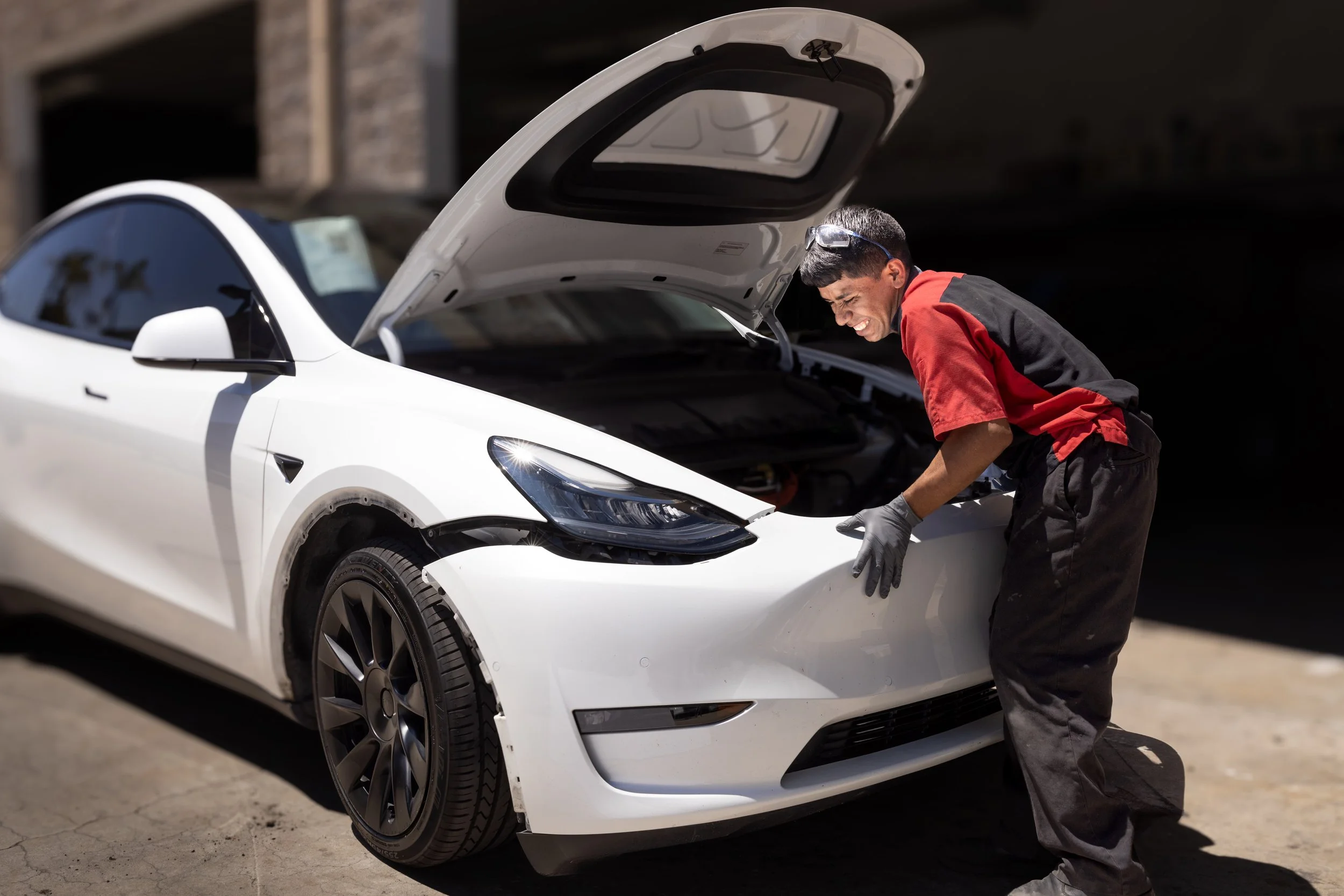
Use this simple guideline:
Under 50% of vehicle value → Repair is almost always worth it
50–70% → Still often worth repairing with proper evaluation
70%+ → May be considered a total loss
According to Insurance Information Institute, insurers use cost-to-value ratios when determining total loss decisions.²
Many vehicles in the 50–70% range are still successfully repaired every day.
Repair vs Replace: Which Makes More Sense?
| Factor | Repair Your Vehicle | Replace Your Vehicle |
|---|---|---|
| Cost | Lower in most cases | Higher upfront cost |
| Time | Few days to weeks | Depends on availability |
| Safety | Restored with OEM repair | Varies by vehicle |
| Vehicle Value | Maintained | Reset after purchase |
| Insurance | Covered if repairable | Paid out if totaled |
| Familiarity | Keep your vehicle | Adjust to new vehicle |
In most situations, repairing your vehicle is the more practical and cost-effective decision.
When Repairing Your Car Makes the Most Sense
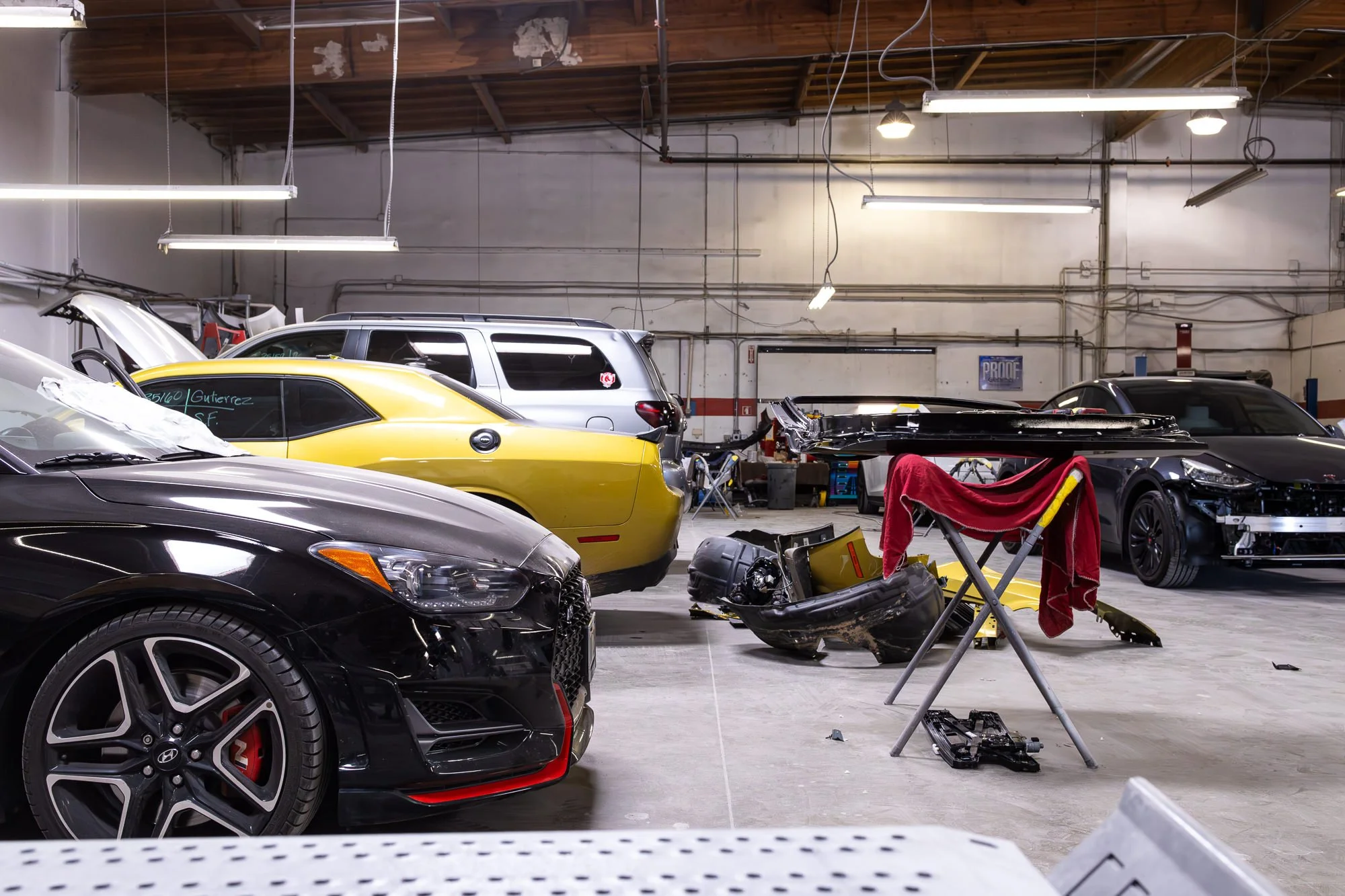
Repair is typically the best option when:
Damage is cosmetic or moderately structural.
The vehicle retains strong value.
Repairs follow OEM collision repair procedures and safety systems are fully restored.
When It May Not Be the Best Option
Replacement may be considered if:
Structural damage is extreme
Costs exceed total loss thresholds
Multiple safety systems require replacement
Read more: when a car is considered a total loss after an accident in Oxnard.
What Most Drivers Get Wrong
Many drivers assume:
“If the damage looks severe, it may not be worth repairing.”
However:
Modern repair methods can fix extensive visible damage
Many vehicles are more repairable than expected
Proper repairs can restore safety and performance
Why the Right Auto Body Shop Matters
The key factor is not just damage—it is how the repair is performed.
A qualified shop should:
Follow OEM repair procedures
Perform structural and panel repair correctly
Complete ADAS calibration after repair
Ensure the vehicle returns to pre-accident condition
Efforts supported by Society of Collision Repair Specialists highlight the importance of proper repair access and standards.³
Bottom Line
For most drivers in Oxnard:
Repairing your car after a collision is the right choice
As long as the repair:
Restores safety
Follows OEM procedures
Makes financial sense
Your vehicle can be safely returned to the road.
Get a Clear Answer for Your Vehicle
The best way to know if your car is worth repairing is through a complete collision inspection—not a quick estimate.
At Prestige Bodyworks Auto Collision, we help you evaluate:
Full collision damage (including hidden damage)
Structural integrity
OEM repair requirements
Repair cost vs vehicle value
Start with an online estimate or schedule a visit today.
Frequently Asked Questions
-
In most cases, repairing is the better option when damage is repairable and below total loss thresholds.
-
Compare repair cost to vehicle value. If under 70% and repairable, it is usually worth it.
-
Yes. When repaired using OEM procedures and proper calibration, safety can be restored.
Sources
Automotive Research – 2025 Repair Shop Challenges
Insurance Information Institute – Auto Insurance Basics
SCRS – Right to Repair
