

What Happens During the Teardown Phase of Auto Body Repair?
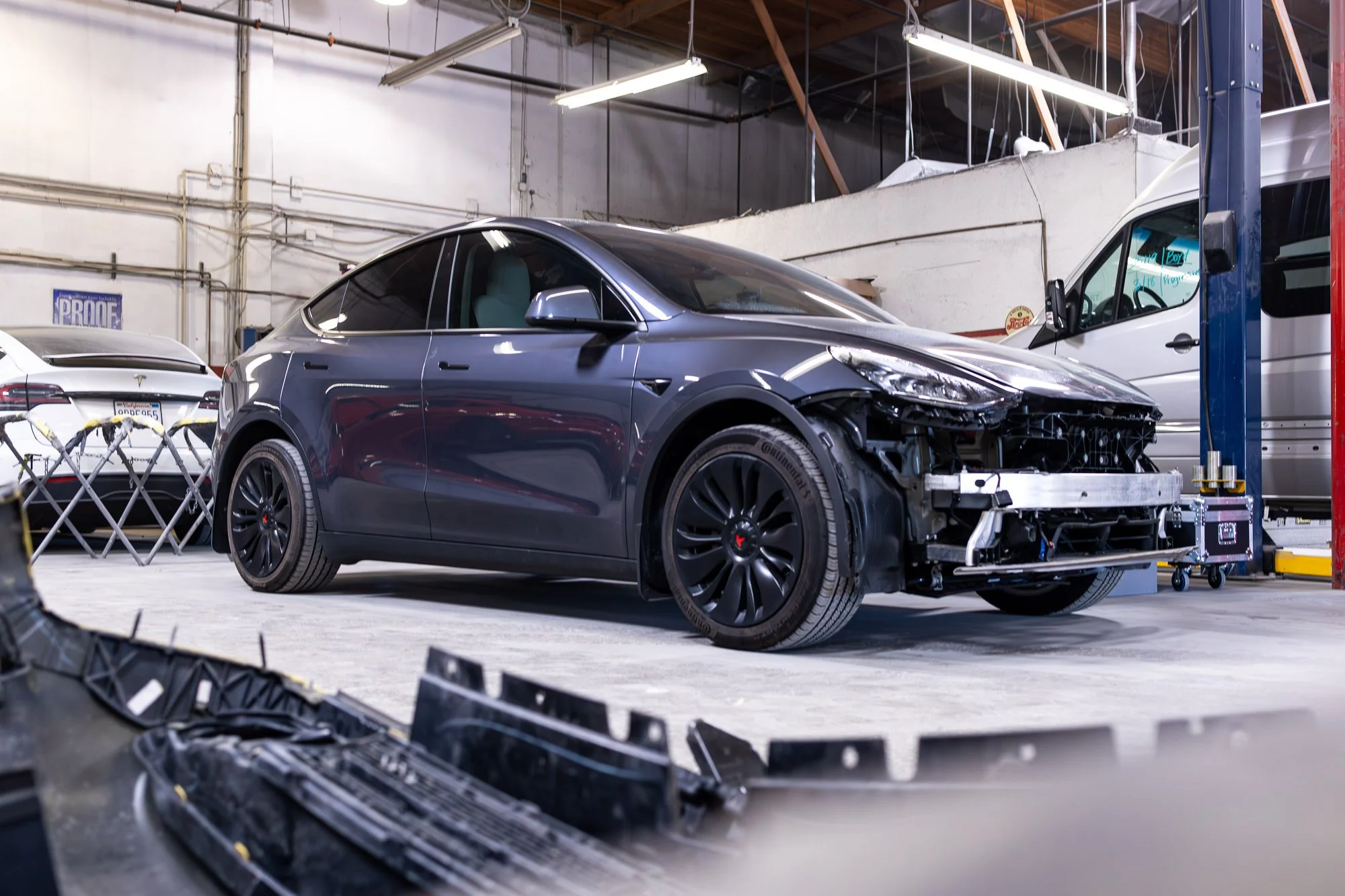
After an accident, a body shop can learn a lot from an initial visual inspection. However, technicians cannot always evaluate everything while the vehicle remains fully assembled.
A damaged bumper cover, fender, door, or other exterior component may limit access to the parts and structures behind it.
That is where teardown, also called disassembly, can become an important part of collision repair.
During teardown, technicians remove selected components as needed to gain access to the collision-damaged area. This allows them to inspect areas that were concealed during the initial assessment and develop the repair plan using additional information.
For drivers in Oxnard and Ventura County, understanding this stage also helps explain why an initial estimate can sometimes change after a vehicle enters the shop.
Why Can’t Everything Be Seen During the First Estimate?
The initial inspection usually takes place while many exterior components are still installed.
Technicians can identify and document visible conditions such as:
Cracked bumper covers
Dented panels
Broken lamps
Scratched or damaged paint
Visible panel misalignment
Other accessible collision damage
However, some parts of the vehicle remain concealed.
For example, a bumper cover can limit access to mounting components, reinforcement areas, wiring, sensors, and adjacent structures.
Similarly, exterior body panels or trim may prevent technicians from fully evaluating the areas behind them.
This does not mean every collision causes hidden damage. It simply means some areas cannot be fully evaluated until technicians have appropriate access. Sources discussing collision estimates similarly note that damage behind exterior panels may become apparent only after disassembly.
What Happens During the Teardown Process?
There is no single teardown procedure that applies to every vehicle.
The amount of disassembly depends on the location and extent of the damage, the vehicle, and the areas technicians need to access.
However, the process generally involves several steps.
1. Document Visible Damage
Before removing components, technicians document the vehicle and the collision-damaged areas.
Depending on the repair, documentation may include photographs and notes about:
Visible collision damage
Damaged components
Panel condition and alignment
Existing conditions around the repair area
This provides a record of what was visible before disassembly.
2. Remove Components Needed for Access
Next, technicians may remove components that prevent them from adequately accessing the affected area.
Depending on the location of the collision, these could include:
Bumper covers
Lamps
Trim
Moldings
Wheel liners
Exterior panels
Interior trim near the repair area
Related components that restrict access
Teardown does not necessarily mean taking the entire vehicle apart.
The amount of disassembly should depend on the vehicle and repair.
3. Inspect Areas That Were Previously Concealed
Once relevant components have been removed, technicians can inspect areas that were inaccessible during the initial visual assessment.
Depending on the collision, this might include evaluating:
Mounting points
Brackets
Reinforcement components
Adjacent body components
Wiring and connectors
Sensor mounting areas
Accessible structural areas
Again, these are examples of what may be evaluated. They should not be interpreted as damage that occurs in every accident.
The purpose of teardown is to obtain better access and more information.
What Technicians May Evaluate Before and After Teardown
Removing relevant components can provide access to areas that were concealed during the initial inspection.
| Initial Inspection | After Relevant Components Are Removed |
|---|---|
| Visible bumper or panel damage | Better access to components behind the damaged area |
| Exterior panel alignment | Additional access to adjacent body areas |
| Visible broken components | Concealed brackets, mounts, wiring, or connectors when accessible |
| Visible collision area | Better access to structural areas when relevant |
| Preliminary repair information | Additional information for developing the repair plan |
4. Evaluate Structural Areas When Appropriate
Some collisions may also require closer evaluation of structural areas.
If the location or nature of the damage indicates that additional structural inspection is appropriate, technicians can use the access created during disassembly to examine relevant areas.
Depending on the vehicle and collision, further evaluation may include structural measurements or other procedures.
However, not every accident requires structural measurement or frame straightening.
Those decisions depend on the vehicle, the damage identified, and the applicable repair plan.
5. Determine What Repair Information Applies
Identifying damage is only one part of the process.
Once technicians understand which components have been affected, they can determine what repair information applies to the vehicle and repair.
Depending on the manufacturer and component, that information may address:
Repair versus replacement
Joining or attachment methods
Sectioning locations
Welding procedures
Material-specific requirements
Corrosion protection
Structural specifications
Inspection procedures
Diagnostic or calibration requirements
Therefore, finding the damage and determining how to repair it are separate steps.
Teardown helps establish what has been affected. The repair plan then addresses how those areas will be repaired.
How Teardown Can Change the Repair Plan
After technicians gain access to the damaged areas, they may have more information than was available during the initial estimate.
As a result, the repair plan may need to be updated.
Changes could involve:
Additional damaged components
Parts
Labor operations
Structural work
Refinishing
Diagnostic procedures
ADAS-related procedures when applicable
However, teardown does not automatically result in changes.
Sometimes the additional inspection confirms the original assessment.
The key point is that the repair plan should reflect what technicians can actually identify once they have appropriate access.
What Is a Collision Repair Supplement?
A supplement is an update to an original repair estimate when additional damage or repair needs are identified after the initial estimate.
For example, an exterior inspection may document a damaged bumper cover. After the bumper is removed, technicians may be able to identify additional accident-related damage that could not be confirmed earlier.
The repair facility can then document those findings and update the estimate or repair plan.
When an insurance claim is involved, supplemental documentation may be submitted to the insurer for review. Whether particular costs are covered depends on the policy and claim rather than the existence of the supplement itself.
A Simple Example: How Teardown Can Change the Repair Plan
This example shows how additional information can become available as technicians gain access to the damaged area.
Initial Estimate vs. Post-Teardown Repair Plan
The difference often comes down to how much information was available at each stage.
| Initial Estimate | Post-Teardown Repair Plan |
|---|---|
| May begin primarily with visible damage | Can incorporate information gained after disassembly |
| Some areas may remain concealed | Relevant concealed areas may now be accessible |
| Preliminary parts information | Parts needs may be updated based on confirmed findings |
| Initial repair scope | More developed repair plan based on additional information |
Does a Supplement Mean the Shop Made a Mistake?
No—not necessarily.
An initial estimate can only account for damage that can reasonably be identified at that stage.
If exterior components prevent technicians from inspecting an area, additional damage may not be confirmed until those components are removed.
The supplement source you provided defines a supplement as an update to an original estimate that accounts for damage discovered after repair work or disassembly begins. It likewise notes that limited access during the initial inspection is one reason estimates can change.
Therefore, the useful question is not simply:
“Why did my estimate go up?”
Instead, ask:
“What additional damage or repair operations were identified, and why were they added?”
Does Teardown Always Increase the Repair Cost?
No.
Teardown may confirm the original assessment without identifying additional damage.
Alternatively, technicians may identify additional accident-related damage or repair operations that change the repair plan and estimated cost.
Therefore, it would be misleading to say that teardown itself increases repair costs.
Teardown provides additional information. What that information shows depends on the individual vehicle and collision.
How Does ADAS Fit Into Teardown?
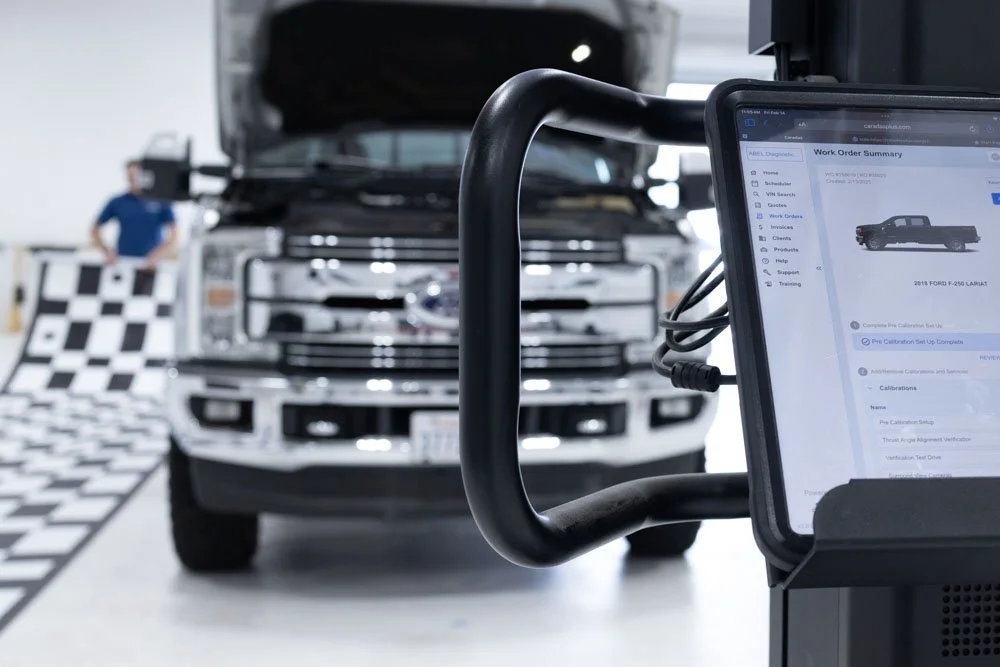
Many modern vehicles use cameras, radar, sensors, and related electronics as part of Advanced Driver Assistance Systems, or ADAS.
Some of these components or their mounting locations can be located in or near collision-damaged areas.
During disassembly, technicians may gain better access to relevant:
Sensors
Mounting locations
Wiring
Connectors
Adjacent components
However, an accident or teardown does not automatically mean ADAS calibration is required.
Whether diagnostic, inspection, or calibration procedures apply depends on the vehicle, components affected, operations performed, and applicable manufacturer information.
That distinction is important because ADAS requirements should be determined for the specific repair rather than assumed for every collision.
Does Teardown Make Collision Repair Take Longer?
Teardown itself requires time because technicians are removing components, documenting findings, and evaluating the affected areas.
If additional damage is identified, the overall repair timeline may also change because the shop could need additional parts, repair operations, or insurer review.
The supplement source notes that supplemental estimates can affect timelines when additional parts or insurance review are required.
However, the amount of additional time varies considerably from one repair to another.
Common Misunderstandings About Teardown
“Teardown means the entire vehicle is taken apart.”
Not necessarily.
The extent of disassembly depends on which areas technicians need to access.
“Finding additional damage means the first estimate was wrong.”
Not necessarily.
Some damage cannot be confirmed while exterior components remain installed.
“A supplement means insurance will automatically pay for the additional repair.”
No.
A shop can document additional findings and submit supplemental information when insurance is involved. Coverage and payment depend on the specific policy and claim.
“Every modern vehicle needs ADAS calibration after teardown.”
No.
The applicable requirements depend on the vehicle, damage, components involved, and repair operations performed.
How Prestige Bodyworks Handles Teardown and Repair Planning
At Prestige Bodyworks in Oxnard, the amount of disassembly depends on the vehicle, collision damage, and areas that need further evaluation.
The process can include:
Documenting visible collision damage
Removing relevant components when necessary
Inspecting previously concealed areas
Documenting additional accident-related damage when identified
Evaluating structural areas when appropriate
Reviewing applicable repair information
Updating the repair plan
Documenting supplemental repairs when necessary
Assisting with insurance claim communication
For modern vehicles, including Tesla and BMW models, repair planning can also involve manufacturer-specific information and technology considerations based on the particular vehicle and damage.
Prestige Bodyworks provides collision repair and frame repair for drivers in Oxnard and surrounding Ventura County communities.
Drivers can also start with our virtual estimate tool to document visible damage.
However, photos have limitations. A photograph of a bumper cannot necessarily show the condition of components behind it. Therefore, an in-person inspection or disassembly may provide information that was not available from the initial photos.
What Should You Ask After Teardown?
Once the relevant disassembly and inspection are complete, useful questions include:
Did you identify any additional accident-related damage?
What changed from the initial estimate?
Why were those repair operations added?
Were additional parts identified?
Does the vehicle require structural measurement or repair?
Are any diagnostic or ADAS procedures applicable?
Was a supplement prepared?
How could the new findings affect the repair timeline?
A clear repair facility should be able to explain what changed and why.
Why Teardown Matters in Collision Repair
Teardown is not about finding reasons to make a repair more expensive.
Its practical purpose is to provide better access to the accident-damaged area.
Once relevant components are removed, technicians can evaluate previously concealed areas, document additional accident-related damage when present, and develop the repair plan using more complete information.
That is also why an initial estimate can change without automatically meaning the first estimate was incorrect.
For drivers, transparency matters. Ask what technicians found, why the repair plan changed, and what happens next.
Contact Prestige Bodyworks for certified repairs done right the first time.
