

What “Pre-Accident Condition” Means in Collision Repair
When a body shop or insurance company says your car will be repaired to its “pre-accident condition,” they mean the vehicle should be returned as closely as possible to the state it was in just before the collision. In insurance terms, “pre-accident” (or “pre-loss”) condition refers to the car’s baseline condition prior to any damage, and restoring it involves repairing or replacing parts to get it back to that original state.
Source: USLegal, Inc. – Pre-Loss Condition Definition
Auto insurance policies use this concept with the promise that, after an accident, your vehicle will be fixed to the condition it was in an instant before the crash. In other words, the goal is to make you “whole” again – your car should drive, function, and look the way it did right before the accident, without lingering damage.

However, pre-accident condition does not mean your car will become brand new or better than it was. It means as good as it was, no worse and no better. Your insurance company is obligated to pay for necessary repairs to restore the vehicle’s safety, functionality, and appearance to its former state, using parts of equal or better quality than the damaged parts.
But they won’t cover improvements or pre-existing issues unrelated to the crash. In fact, insurers explicitly do not have to upgrade your car beyond its pre-crash state – they won’t, for example, replace old tires or faded paint that weren’t damaged in the accident, since that would put you in a better position than before (something insurers call “betterment”).
Source: ASI Collision Inc.
What Does Restoring Pre-Accident Condition Involve?
To truly return a vehicle to its pre-accident state, a quality repair must address all aspects of the car’s prior condition. This includes:
Functionality: All mechanical and electrical components that were working before the crash should be fully repaired or replaced so they operate the same as pre-accident. For example, if the car tracked straight and had no warning lights on before, it should do so after repairs. Any parts used should be of like kind and quality to ensure the fit, form, and function match the original equipment.
Safety: The vehicle’s safety systems must be restored to proper working order. Airbags, seatbelts, crumple zones, sensors, and other safety features that deployed or were damaged in the accident need to be fixed or recalibrated to factory standards. The car should protect occupants just as well as it did prior to the collision.
Appearance: Cosmetically, the car should look as close as possible to how it looked before the crash. High-quality body work and paint matching are crucial. Panels should be aligned correctly, paint colors blended so there is no obvious difference between old and new, and any prior dents or wear that weren’t accident-related are generally left as-is.
Value: A proper repair will help maintain the vehicle’s value by fixing accident damage correctly. The repaired car should not have additional value loss due to poorly done repairs – it should be as valuable as it was pre-accident, minus any loss inherently caused by the fact it now has an accident history.
Insurance Promises vs. Reality
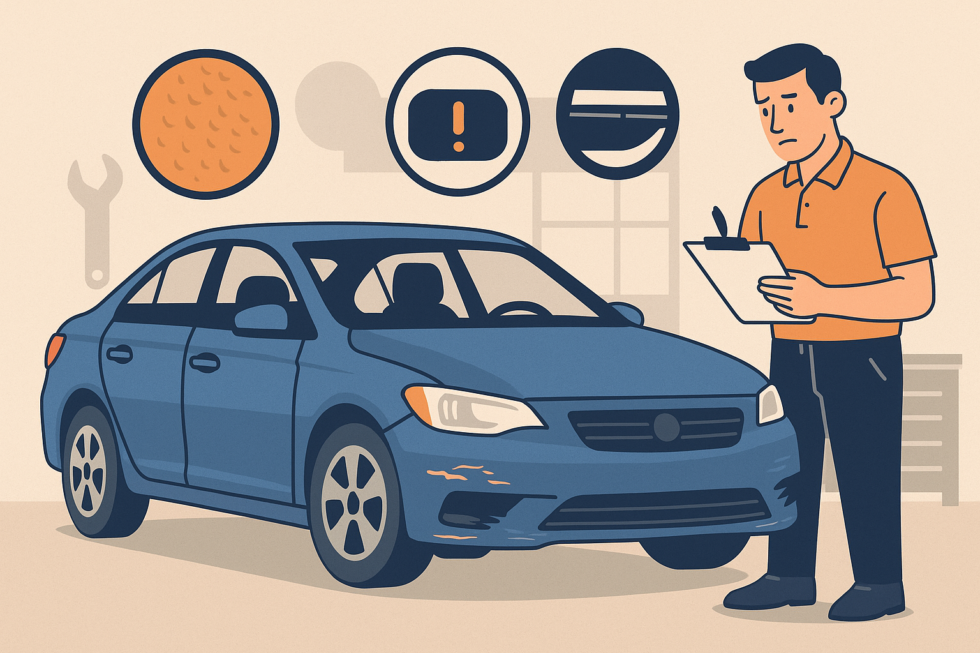
Insurance companies do generally promise to cover repairs to bring your car back to pre-accident (pre-loss) condition. In fact, most auto policies explicitly state that the insurer will pay for parts and labor needed to restore the vehicle to the condition it was in right before the loss.
This means if you choose a reputable repair shop, the insurance should approve fixing all crash-related damages in a way that makes the car safe and functional again. You have the right to a proper repair – you shouldn’t accept shoddy work or inferior parts that leave the car below its former condition.
If an insurance adjuster tries to cut corners (like using questionable aftermarket parts or leaving some damage unrepaired), know that your policy entitles you to insist on repairs that meet the pre-accident standard.
That said, there are limits to the insurer’s obligations. As mentioned, they won’t pay to improve the car beyond what it was. For example, if your transmission had 100,000 miles on it and wasn’t damaged in the wreck, insurance won’t replace it just to “make the car like new.”
Source: USLegal, Inc.
The Issue of Diminished Value

One important reality to understand is diminished value – the reduction in a vehicle’s market value after an accident, even if repairs are done perfectly. A car that has been in a collision will often be worth less to buyers than an equivalent never-crashed car, because the accident history is recorded on services like Carfax or AutoCheck. This is not a reflection on the quality of the repair work; rather, it’s an inherent loss due to the stigma and uncertainty a past accident creates for future owners.
Even when a vehicle is fully restored to physical pre-accident condition, the fact that it was in a crash will typically lower its book value. Kelley Blue Book notes that every reported accident – big or small – reduces a car’s value in the marketplace, on top of normal depreciation, “even if repairs return it to its pre-accident condition.”
This loss in value is what the industry calls diminished value.
While a good body shop will eliminate repair-related loss by doing a thorough job, they cannot erase the fact the car was wrecked. This is why insurers won’t “make it brand new” or guarantee your car’s value won’t be affected.
How Prestige Bodyworks Restores Pre-Accident Condition
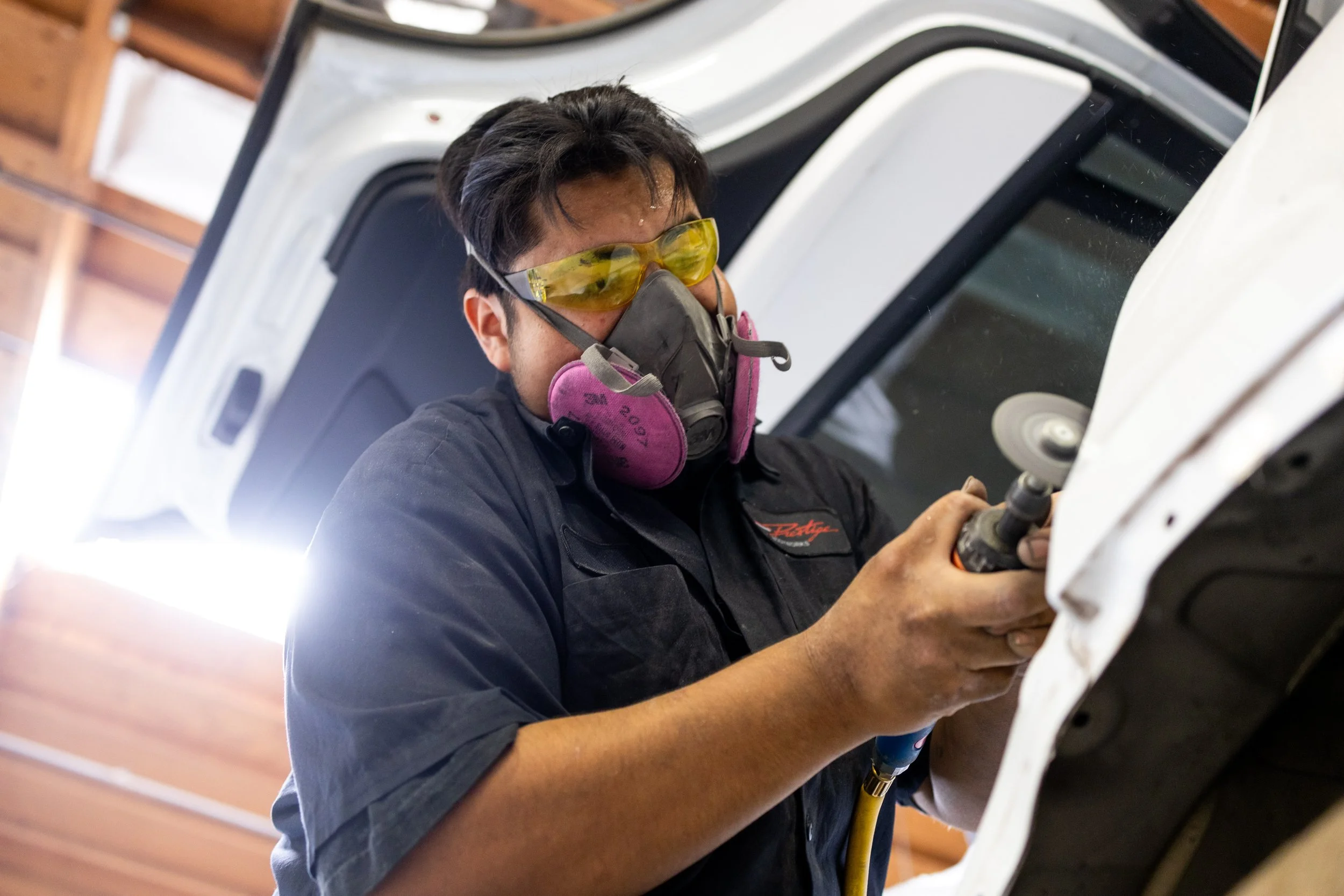
At Prestige Bodyworks, serving Oxnard and the greater Ventura County area, we follow OEM-certified procedures to restore your vehicle to its true pre-accident condition. As a BMW-Certified Collision Repair Center and Tesla-Approved Body Shop, we use factory-approved tools, OEM parts, and digital measuring systems to ensure structural, cosmetic, and safety-system integrity. Our I-CAR Gold Class technicians also perform ADAS recalibrations and post-repair scans to confirm all safety features function exactly as intended. Every certified repair is backed by a lifetime warranty.
Bottom Line
In collision repair, achieving “pre-accident condition” means making the car as right as it was before the crash – structurally sound, mechanically reliable, and cosmetically comparable to its prior state. A competent repair facility will follow factory procedures, use high-quality or OEM-approved parts, and ensure that your vehicle is safe to drive and looks just as good as it did pre-accident.
Your insurance policy is there to fund these correct repairs. Just remember that pre-accident condition has practical limits: it restores what was lost in the accident, but doesn’t entitle you to a brand new car or upgrades unrelated to the collision. And while your car can absolutely be fixed to its former glory in terms of safety and performance, an accident can leave an indelible mark on its history in the eyes of the market (diminished value).
By understanding what pre-accident condition truly means, you can set proper expectations and advocate for the repairs you deserve. Insist on repairs that bring back full function and safety, and don’t hesitate to ask questions if something doesn’t seem fully restored.
