

When Is A Car Considered A Total Loss? Insurance Thresholds, Repair Cost Examples & Oxnard Collision Repair Guide
A car is considered a total loss when the cost of repairing the vehicle approaches or exceeds its Actual Cash Value (ACV) before the accident. Many insurers may consider a vehicle a total loss when repair costs approach 70–80% of the vehicle’s value, although the exact threshold varies by insurer and state regulations.
However, visible damage alone does not determine whether a car can be repaired. Some vehicles that appear severely damaged may still be safely repaired using modern collision repair techniques and manufacturer-approved procedures.
Because repair costs vary based on vehicle design, parts required, accident severity, and safety systems, the most reliable way to determine whether a vehicle is repairable is through a professional collision repair estimate in Oxnard.
Quick Answers About Total Loss Vehicles
Drivers searching for collision repair in Oxnard after an accident often want to know whether their vehicle will be considered a total loss or if it can still be repaired safely.
-
Many insurers consider a vehicle totaled when repair costs reach 70–80% of the vehicle’s market value, although the exact threshold varies depending on the insurer.
-
Yes. A professional repair estimate allows technicians and insurance adjusters to determine whether repair costs approach the vehicle’s value, helping insurers decide whether the vehicle should be repaired or declared a total loss.
-
Yes. Vehicles that appear severely damaged may still be repairable once technicians inspect the full extent of structural damage and safety systems.
What Is a Total Loss Vehicle?
A Total Loss Vehicle is a car that an insurance company determines is too expensive to repair compared with its current market value.
Insurance companies typically evaluate:
• Estimated Repair Cost
• Vehicle Market Value Before The Accident
• Structural Or Frame Damage
• Airbag Deployment Or Safety System Damage
• Potential Salvage Value
If repair costs exceed the insurer’s threshold, the company may declare the vehicle a Total Loss and provide a settlement instead of approving repairs.
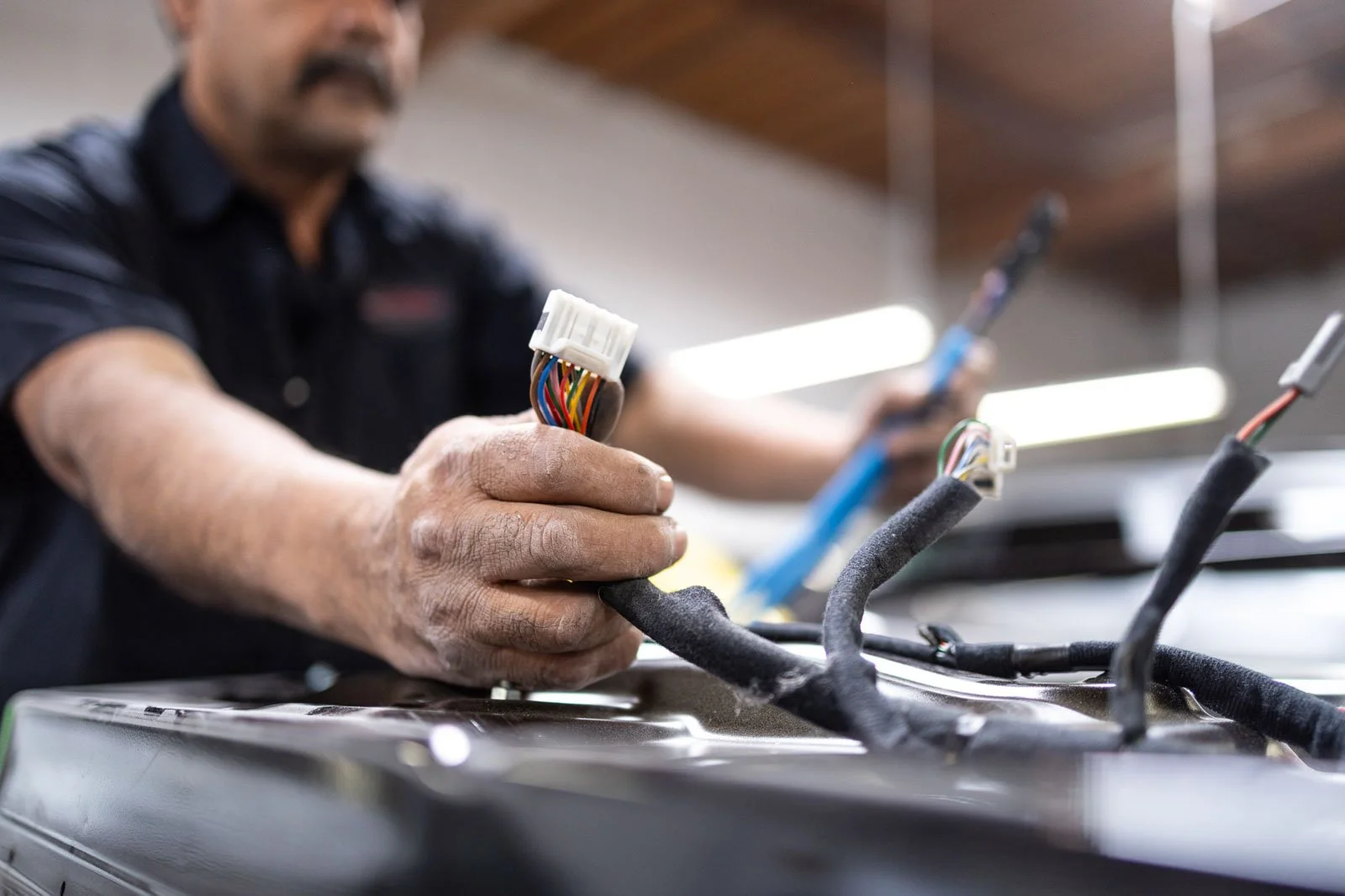
Modern vehicles are increasingly complex to repair because they include cameras, sensors, radar systems, and lightweight structural materials.
Source: Autobody News — 2025 Data Points To Fewer Claims But More Collision Repair Complexity In 2026
What Affects Collision Repair Costs?
Collision repair costs vary depending on the severity of the accident, vehicle materials, and the complexity of modern safety systems.
Important factors include:
• Damage severity
• Vehicle materials such as aluminum or high-strength steel
• Advanced driver-assistance systems (ADAS)
• Paint refinishing and color matching
• OEM replacement parts
• Labor complexity and structural repairs
| Type Of Repair | Typical Cost Range |
|---|---|
| Minor Cosmetic Repairs | Under $500 For Small Scratches Or Minor Dents |
| Dent Repair (PDR) | $50 – $150 For Small Dents; $150 – $1,000 For Larger Dents |
| Bumper Repair Or Replacement | $300 – $1,500 For Repairs; $800 – $2,000 For Replacement |
| Paint Repair | $50 – $300 For Minor Scratches; $300 – $700 For Deeper Scratches |
| Fender Or Door Panel Repair | $500 – $2,500 Depending On Damage Severity |
| Frame Or Structural Repair | $1,000 – $10,000+ Depending On Severity |
Important Pricing Disclaimer: Repair cost ranges shown are general industry estimates for educational purposes only. Actual repair costs vary depending on vehicle type, damage severity, manufacturer repair procedures, parts availability, and hidden damage. The most accurate way to determine repair costs is through a professional collision repair estimate.
Many drivers researching whether their vehicle will be totaled also want to understand the average car accident repair cost before insurance makes a decision.
Source: Insurance.com — Insurance For Auto Body Repairs: What Does It Cover?
What Rules Do Insurance Companies Follow When Declaring a Total Loss in California?
In California, insurance companies must follow state regulations when determining whether a vehicle is a total loss and how the settlement value is calculated.
Under the California Fair Claims Settlement Practices Regulations (Title 10, Section 2695.8), insurers must determine the value of a totaled vehicle based on the actual cost of a comparable vehicle in the local market. This valuation must also include applicable taxes and transfer fees.
This means an insurance company cannot simply assign an arbitrary value to a vehicle. Instead, the settlement amount must be supported by documented market data and comparable vehicles available in the same geographic market area.
These rules exist to ensure insurance companies investigate claims fairly and provide reasonable settlement offers to policyholders.
Why Does California Require Comparable Vehicle Valuation?
California requires comparable vehicle valuation to protect drivers from receiving unfair settlement offers.
Because vehicle prices vary by location, insurers must use local market data instead of national averages or generic estimates. This helps ensure policyholders receive a settlement that reflects what it would actually cost to purchase a similar vehicle in their area.
How Insurance Companies Evaluate Total Loss Vehicles
Insurance companies determine whether a vehicle is a total loss by comparing the estimated repair cost with the vehicle’s Actual Cash Value (ACV) before the accident. Insurers may also consider the vehicle’s salvage value, structural damage, and state total-loss regulations.
Source: Insurance Information Institute — Understanding the insurance claims payment process
| Factor | Example Value |
|---|---|
| Vehicle Actual Cash Value (ACV) | $20,000 |
| Estimated Repair Cost | $15,000 |
| Repair Cost Percentage | $15,000 ÷ $20,000 = 75% |
| Result | At 75% of the vehicle's value, many insurance companies may classify the vehicle as a total loss, even if the car could technically still be repaired. |
Source: State Farm - What Affects Car Insurance Premiums
| Vehicle Value | Estimated Repair Cost | Repair Percentage |
|---|---|---|
| $20,000 | $6,000 | 30% — Likely Repairable |
| $20,000 | $12,000 | 60% — Repairs May Still Be Approved |
| $20,000 | $15,000 | 75% — May Approach Total Loss Threshold |
| $20,000 | $18,000 | 90% — Very Likely Totaled |
Can Insurance Total Your Car Even If It Is Repairable?
Yes. Insurance companies can declare a car a total loss even if the vehicle is technically repairable.
A vehicle is usually considered a total loss when the cost of repairs approaches or exceeds the vehicle’s Actual Cash Value (ACV) before the accident. Many insurers use thresholds around 70–80% of the vehicle’s value, although the exact percentage may vary depending on the insurance company and state regulations.
An insurance company may determine that repairing the vehicle is not financially practical, even if the damage could technically be repaired using modern collision repair techniques.
Insurance providers evaluate several factors when determining whether a vehicle should be declared a total loss, including:
• Estimated Repair Cost
• Vehicle Market Value Before The Accident
• Salvage Value Of The Vehicle
• Extent Of Structural Damage
• State Total Loss Regulations
According to State Farm, a vehicle may be considered a total loss when repair costs combined with the vehicle’s salvage value exceed the vehicle’s actual cash value.
This means that a vehicle may appear repairable, but insurers may still declare it a total loss because the repair cost relative to the vehicle’s value is too high. While salvage titles can affect resale value, many vehicles can still be safely repaired using manufacturer repair procedures and proper structural inspections.
Because every accident is different, the most reliable way to determine whether a vehicle should be repaired or declared a total loss is through a professional collision repair inspection and estimate.
Can You Keep Your Car After Insurance Totals It?
Yes. Vehicle owners can sometimes keep their car even after an insurance company declares it a total loss.
Instead of accepting the full insurance payout, an owner may choose to retain the vehicle and receive a reduced settlement. In this situation, the insurance company typically subtracts the vehicle’s salvage value from the payout amount.
| Vehicle Value | Salvage Value | Insurance Payout | Outcome |
|---|---|---|---|
| $15,000 | $3,000 | $12,000 |
Owner Keeps Vehicle Salvage Title Likely Issued |
When an owner keeps a totaled vehicle, the vehicle title may be converted to a salvage title, indicating that the car was previously declared a total loss by an insurance company.
A salvage title does not always mean the vehicle cannot be repaired. In many cases, vehicles can still be repaired and returned to the road after completing the required inspection and documentation process required by state regulations.
However, drivers should understand that salvage title vehicles may have:
• Lower resale value
• Additional inspection requirements
• Insurance coverage limitations depending on the insurer
Because each accident and insurance policy is different, drivers should carefully review their settlement options before deciding whether to replace the vehicle or keep and repair it after a total loss decision.
Direct Repair Programs (DRPs)
Some collision repair facilities participate in Direct Repair Programs (DRPs) with insurance companies. These programs allow insurers to streamline the repair process by working with pre-approved repair facilities.
At Prestige Bodyworks in Oxnard, the shop participates in DRP networks with insurers such as State Farm and USAA, helping drivers navigate insurance claims and repair approvals after an accident.
Source: State Farm — Auto Repair Services After An Accident
Does Insurance Cover Collision Repairs?
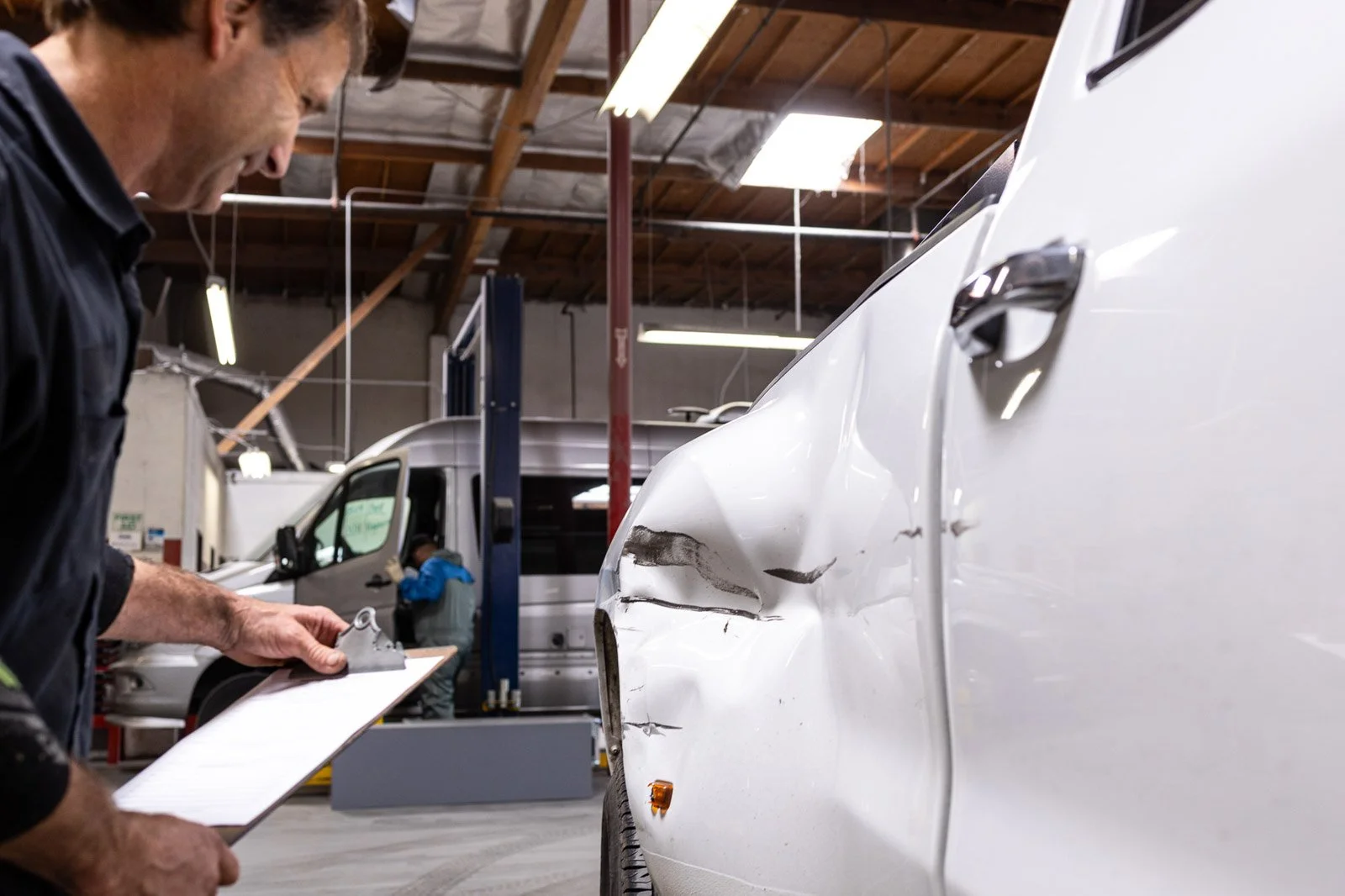
Insurance policies often cover accident repairs when the driver carries collision coverage.
Coverage typically depends on:
• The Insurance Policy
• Deductible Amount
• Extent of Damage
• Vehicle Repairability
When repair costs remain below the vehicle’s value threshold, insurers generally approve repairs through a professional auto body shop.
What Types of Damage Can Cause a Car to Be Declared Totaled?
Certain types of damage significantly increase repair costs and may lead to a total loss decision.
Examples include:
Severe frame or structural damage
Airbag deployment
Multi-panel body damage
ADAS sensor damage
Suspension or drivetrain damage
These repairs can quickly approach the vehicle’s market value.
What Are Real Examples of Collision Repair Costs?
| Damage Scenario | Typical Repairs Required | Typical Cost Range |
|---|---|---|
| Minor Cosmetic Damage | Paintless Dent Repair (PDR), Small Bumper Refinishing | $300 – $800 |
| Moderate Collision Damage | Bumper Replacement, Panel Repair And Repainting, Sensor Or ADAS Inspection | $2,000 – $5,000 |
| Severe Structural Damage | Frame Straightening, Structural Repairs, Multi-Panel Collision Damage | $10,000+ |
Most car accident repairs cost between $300 and $10,000+, depending on damage severity, vehicle technology, and the number of panels or structural components affected.
Collision Repair In Oxnard
If your vehicle has been involved in an accident, the most reliable way to determine whether it can be repaired safely is through a professional collision repair inspection.
Drivers searching for collision repair in Oxnard can start an online estimate to evaluate vehicle damage, determine repair costs, and understand whether the vehicle may qualify as a total loss.
Start your Online Collision Repair Estimate Here!
How Prestige Bodyworks Repairs Collision Damage
At Prestige Bodyworks, technicians evaluate accident damage carefully to determine whether vehicles can be repaired safely.
Services include:
• Collision repair
• Car accident repair
• Dent Repair
• Bumper Repair
• Color Matching Paint Repair
• Frame Straightening
• Paintless Dent Removal
Technicians follow manufacturer repair procedures and structural measurement processes to restore vehicles to proper safety standards.
Key Takeaways
A vehicle is typically considered a total loss when repair costs approach or exceed the vehicle’s Actual Cash Value (ACV) before the accident.
Insurance companies compare repair estimates with the vehicle’s actual cash value to determine whether repairs are financially practical.
Some vehicles that appear severely damaged may still be repairable using modern collision repair techniques.
Repair costs can vary widely depending on damage severity, vehicle materials, and safety systems such as ADAS sensors.
The most reliable way to determine whether a vehicle is totaled is through a professional collision repair estimate.
Related Collision Repair Cost Guides
Drivers researching total loss decisions often want to understand how much accident damage typically costs to repair. These related guides explain the most common collision repair costs.
• Average Car Accident Repair Cost
• Bumper Repair Cost After an Accident
• Dent Repair Cost After a Car Accident
• Car Paint Repair Cost After a Car Accident
FAQ: Total Loss Vehicles And Collision Repair
-
Many insurers consider a vehicle totaled when repair costs reach 70–80% of the vehicle’s value.
-
Frame damage does not automatically total a vehicle, but structural repairs may cost $1,000–$10,000 Or More.
-
Yes. A professional repair estimate helps determine whether repair costs approach the vehicle’s value.
-
No. Drivers usually have the right to choose their repair facility.
-
Yes. Owners may keep and repair the vehicle, although it may receive a Salvage Title.
-
Usually several days, but the timeline varies. Insurance companies determine whether a vehicle is a total loss after reviewing the repair estimate, vehicle value, and a damage inspection. The process may take longer if additional inspections or claim reviews are required.
-
Sometimes, depending on the insurance company and state regulations. Vehicle owners may have the option to retain a totaled vehicle by accepting a reduced settlement where the insurer deducts the vehicle’s salvage value from the insurance payout. In many cases, the vehicle then receives a salvage title.
How to Get an Accurate Repair Estimate
Every accident is different. Even small impacts can hide structural damage behind panels or bumpers.
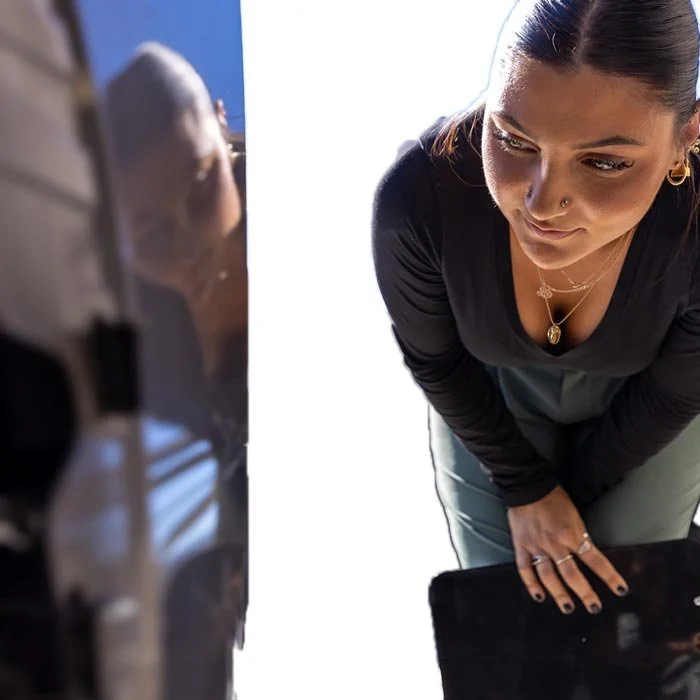
A professional estimate allows technicians to:
• Inspect hidden damage
• Determine accurate repair costs
• Evaluate repair feasibility
Drivers searching for collision repair in Oxnard can start an online estimate to determine whether their vehicle can be safely repaired.
Sources
Autobody News — 2025 Data Points To Fewer Claims But More Collision Repair Complexity In 2026
California Department of Insurance — Fair Claims Settlement Practices Regulations (Title 10, Section 2695.8)
Insurance.com — Insurance For Auto Body Repairs: What Does It Cover?
Insurance Information Institute - Understanding the insurance claims payment process
State Farm — Total Loss Decision Tool
State Farm — What Affects Car Insurance Premiums
