

Why Cheap Collision Repair Estimates Often Lead to Higher Final Costs
After a crash, vehicle owners often look for the lowest repair estimate. A low number may seem attractive, especially if you are worried about out‑of‑pocket expenses. However, cheap collision repair estimates can hide important costs that appear later. Understanding why prices climb helps you choose a shop that restores your vehicle safely and avoids unpleasant surprises.
What Collision Repair Estimates Should Include

A collision repair estimate is more than a single line price. In most U.S. states, insurance regulations require that the estimate reflect the total cost needed to restore a vehicle to its pre‑loss condition. For example, the Arizona Department of Insurance instructs insurers to provide an estimate that reasonably covers the repairs and discloses any non‑OEM (aftermarket) parts. Insurers must also adjust the estimate if hidden damage appears during the repair process (difi.az.gov).
The U.S. General Services Administration (GSA) similarly instructs collision‑repair vendors to submit a detailed estimate of parts and labor before starting repairs, and to prepare a supplemental estimate if additional damage is found (gsa.gov).
Therefore, when a shop provides a quick, low estimate without a thorough inspection, it may omit hidden damage or underestimate labor and parts. This oversight leads to supplemental costs later that bring the final bill far above the original quote.
Hidden Damage and Teardown Estimates
“Hidden damage” refers to structural or mechanical damage that is not visible until the vehicle is disassembled. The California Bureau of Automotive Repair explains that a teardown estimate, which requires partial disassembly, helps identify the full extent of damage and reduces the need for revision once repairs begin. The article notes that such estimates must include costs for reassembly and replacement of parts destroyed during teardown (like seals and gaskets) (bar.ca.gov).
Because hidden damage can affect suspension components, unibody rails, or safety systems, ignoring it puts safety at risk. A low estimate that skips a teardown may appear cheaper but often leads to discovery of additional damage mid‑repair. When that happens, shops must prepare a supplement that raises the final cost and prolongs the repair timeline.
Aftermarket Parts vs. OEM Parts

Some shops keep their estimates low by specifying aftermarket crash parts—non‑OEM components produced by third‑party manufacturers. While some aftermarket parts meet quality standards, government and consumer studies have highlighted concerns. A Government Accountability Office (GAO) report notes that a class‑action court case found an insurer breached its policies by using aftermarket parts that did not restore vehicles to pre‑crash condition. Studies cited in the report, including one by Consumer Reports and another by Ford, concluded that many aftermarket parts fit poorly, rust quickly, and may compromise safety (gao.gov).
Although insurers and parts suppliers argue that some aftermarket parts perform adequately, the mixed evidence suggests that low‑priced parts may lead to poor fitment and decreased resale value. If an aftermarket bumper or fender fails to absorb energy properly, you may face higher costs in a subsequent collision. Therefore, paying slightly more for OEM parts can reduce long‑term expenses and protect your vehicle’s structural integrity.
Why Estimates Change Mid‑Repair
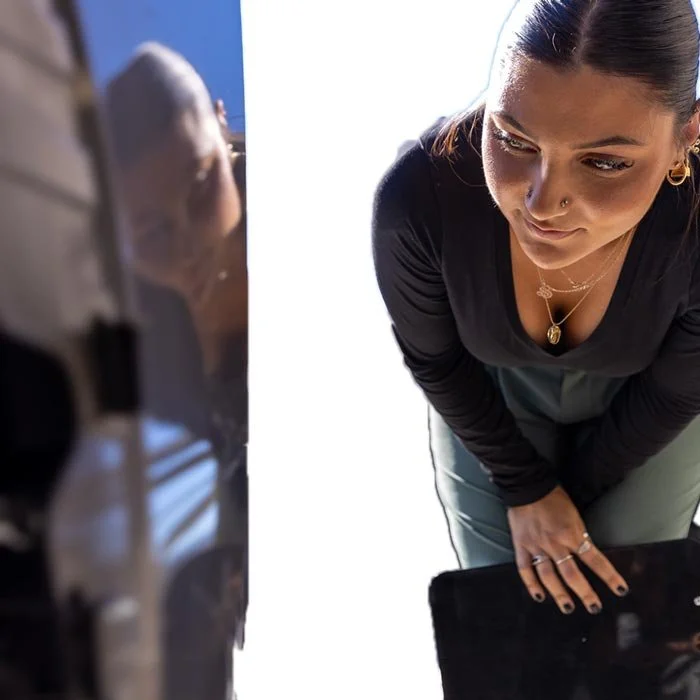
When repairs start, the technician may uncover hidden damage, misaligned frame rails, or electrical issues that were not obvious at the estimate stage. Both the Arizona Department of Insurance and the GSA emphasise that insurers and vendors must adjust estimates when hidden damage is found. These supplemental estimates require approval from the insurer and may delay completion.
If your original estimate was low because the shop omitted teardown or used inferior parts, you might face a choice: approve a higher cost to complete proper repairs or settle for incomplete work. Some insurers will pay the difference if you use their preferred shop, but if you select a non‑preferred shop whose estimate is higher, you may have to pay the difference yourself.
Real‑World Examples
Daily commuter sedan: A commuter’s car sustains a seemingly minor bumper dent. A budget estimate replaces only the bumper cover. However, during repairs the shop discovers that the crash energy damaged the bumper reinforcement and sensors. The supplemental estimate includes new parts and calibration, raising the final cost. A thorough teardown at the start would have revealed this damage and provided a realistic estimate.
Family SUV: An SUV involved in a side‑impact collision receives a low estimate that uses aftermarket door shells and panels. When the parts arrive, they fit poorly, causing delays. Additionally, hidden damage to the B‑pillar and seat‑belt anchor points requires structural repairs. The additional labor and OEM parts raise the final cost beyond the original quote.
Luxury or technology‑rich vehicle: A luxury car with advanced driver assistance systems suffers a front‑end collision. A quick estimate covers cosmetic parts but not the ADAS sensors and calibration procedures. During repair, the technician discovers misalignment and sensor damage. Calibration and OEM sensor replacement increase the total expense.
These scenarios illustrate why initial low estimates can mislead price‑conscious shoppers. However, choosing a qualified repair facility that performs proper diagnostics and uses quality parts helps avoid costly surprises later.
Choose Quality Over Lowest Price
While a cheap collision repair estimate may seem appealing, it often omits hidden damage, uses inferior parts, or underestimates labor. Car accident repair requires restoring your vehicle to pre‑loss condition, and credible sources show that thorough estimates, teardown procedures, and OEM parts safeguard safety and long‑term value.
By selecting a shop that follows manufacturer procedures and provides a detailed estimate, you avoid unexpected supplements and protect your investment. When comparing quotes, ask whether the estimate accounts for hidden damage, uses OEM parts, and includes diagnostic scans. Spending slightly more upfront with a reputable shop may save you from higher final costs and safety risks.
👉 Explore the full Collision Repair process for a complete picture of how we restore vehicles safely.
How Prestige Bodyworks Supports Proper Collision Repair Decisions
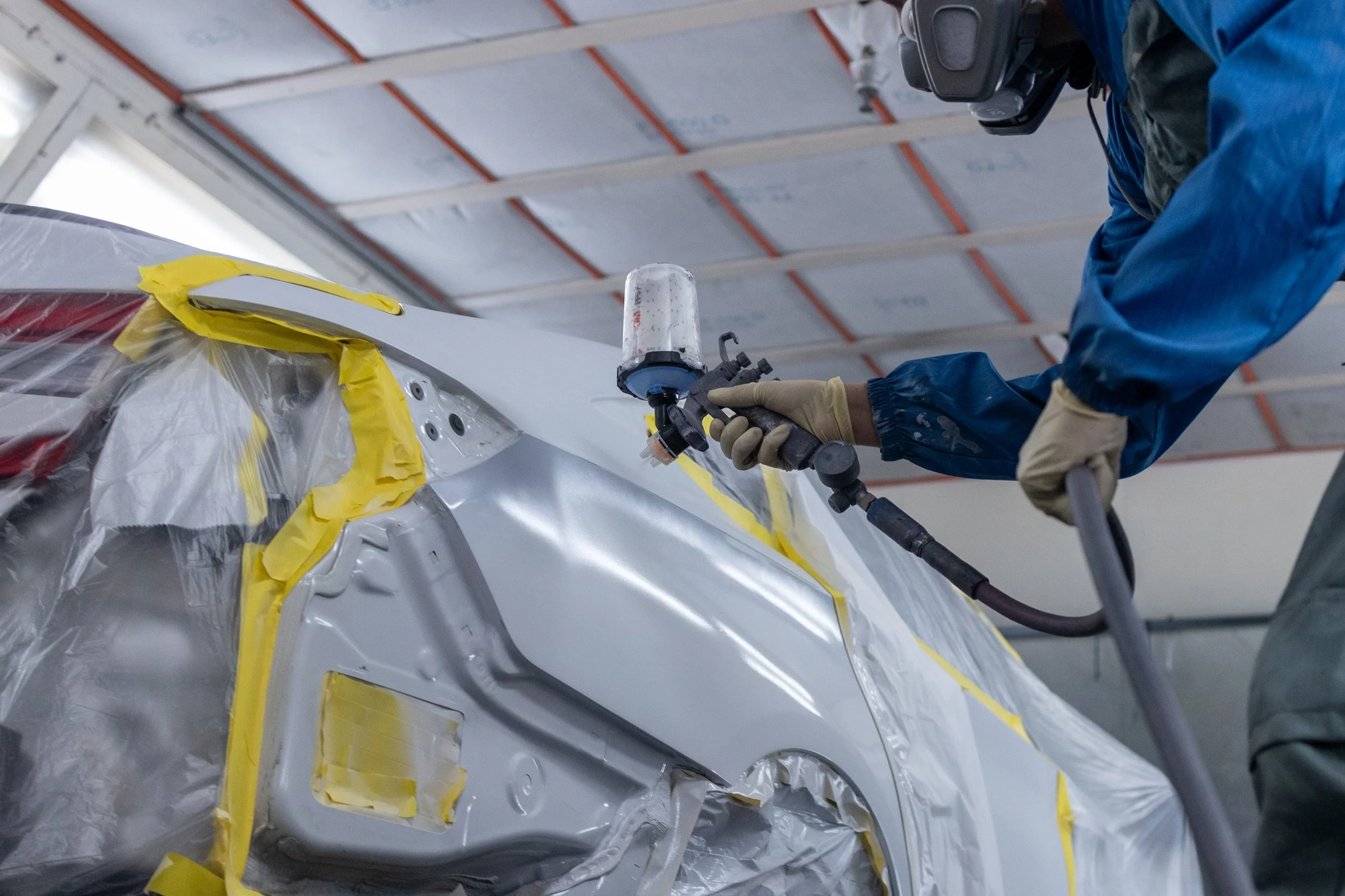
When drivers learn that low collision repair estimates often lead to higher final costs, the next step is choosing a shop that repairs vehicles correctly from the start. At Prestige Bodyworks, our approach to car accident repair prioritizes accurate inspections, complete repair planning, and manufacturer-approved procedures that reduce avoidable supplements and repeat repairs.
Serving Oxnard, El Rio, and Ventura, Prestige Bodyworks restores vehicles to factory specifications using OEM parts and certified repair methods. Our services include:
Prestige Bodyworks is a BMW Certified Collision Repair Center and a Tesla Approved Body Shop. With over 30 years of experience, our team follows strict manufacturer guidelines to deliver safe, durable repairs that protect vehicle value.
When your vehicle needs professional attention after a collision, working with a trusted local shop helps ensure the job is done right the first time. Contact us now!
