

Why Insurance Estimates and Body Shop Estimates Are Different After an Accident
Why Is My Insurance Estimate Different From the Body Shop Estimate?
After a car accident, receiving two different repair estimates can feel confusing.
Your insurance company may provide one estimate, while the collision repair shop may identify additional repair needs after inspecting the vehicle.
“Why is the body shop estimate higher than what insurance originally wrote?”
In most cases, the difference happens because each estimate is created at a different stage of the repair process.
The first estimate often starts with visible damage. However, modern vehicles have many important components hidden behind bumpers, panels, and trim pieces.
After a complete inspection, technicians may discover additional accident-related damage that could not be seen during the first review.
For Oxnard and Ventura County drivers, understanding this process helps avoid surprises and ensures your vehicle receives the repairs it actually needs.
Key Takeaway
An insurance estimate is usually the starting point, not always the final repair plan.
Once a vehicle is fully inspected, hidden accident damage, manufacturer repair procedures, safety requirements, and additional repair steps may change the final estimate.
A different estimate does not automatically mean something is wrong. It often means the vehicle has been evaluated more completely.
Why Insurance Estimates Are Often Lower at First
An initial insurance estimate is usually written early in the claim process.
| Initial Insurance Estimate May Include | Complete Repair Inspection May Find |
|---|---|
| Visible bumper damage | Hidden impact absorber damage |
| Scratches or paint damage | Additional blending or refinishing needs |
| Exterior panel damage | Broken clips, brackets, or mounting points |
| Visible broken parts | Internal components affected by impact |
| Initial visual assessment | Structural, safety, and technology checks |
An initial estimate helps start the claim process, while a complete inspection helps identify the actual repairs needed to restore the vehicle properly.
At this stage, the inspection may only include damage that can be clearly seen, such as:
Scratched paint
Cracked bumper covers
Dented panels
Broken exterior parts
Visible collision damage
However, the outside of your vehicle does not always tell the full story.
Behind damaged panels, there may also be:
Broken mounting brackets
Damaged impact absorbers
Wiring issues
Sensor damage
Structural concerns
Because these areas may require disassembly to inspect properly, the original estimate may not include every necessary repair.
Why a Collision Repair Estimate May Change After Inspection
At an auto body shop, technicians look beyond the visible damage.
A complete repair evaluation may involve checking:
Structural measurements
Hidden impact areas
Safety components
Manufacturer repair procedures
Replacement requirements
Calibration needs
At our Oxnard collision repair facility, one of the most common situations we see is a vehicle arriving with an initial estimate that only includes exterior damage.
However, after damaged parts are removed, technicians may discover additional items such as damaged brackets, internal components, or safety-related systems affected by the accident.
The repair cost did not increase because the damage changed.
The full damage simply became visible.
This is why two estimates should not always be compared only by price. One estimate may represent the first inspection, while another may represent a more complete repair plan.
Example: Why a $1,200 Estimate Can Change After Inspection
| First Estimate | After Vehicle Inspection |
|---|---|
| Replace bumper cover | Inspect and replace damaged internal components |
| Paint bumper | Blend surrounding panels if required |
| Exterior damage only | Hidden brackets or reinforcement damage found |
| Basic repair labor | Additional manufacturer repair procedures may be required |
| No visible sensor issues | Sensor inspection or calibration may be needed |
The vehicle did not become more damaged. The repair requirements became clearer after technicians inspected areas hidden during the first estimate.
A driver may receive an initial estimate for a rear bumper accident that includes:
Replacing the bumper cover
Refinishing the paint
Basic labor
However, once the bumper is removed, technicians may find:
Damaged bumper reinforcement
Broken mounting points
Parking sensor damage
Wiring issues
Calibration requirements
These items could not be properly evaluated during the first visual inspection.
The estimate did not change because the accident became worse. The full repair requirements became clearer after inspection.
This is one reason why choosing a repair facility based only on the lowest estimate can create confusion later.
Related:
Why Cheap Collision Repair Estimates Often Lead to Higher Final Costs
What Is a Supplement in Collision Repair?
| Step | What Happens |
|---|---|
| Initial Estimate | Visible damage is documented and the claim begins |
| Vehicle Teardown | Damaged areas are opened for a deeper inspection |
| Additional Damage Found | Technicians document accident-related repair needs |
| Supplement Submitted | Updated repair information is sent for review |
| Repairs Continue | Approved repair work moves forward |
When additional accident-related damage is discovered, the repair facility may create a supplement. California insurance regulations outline requirements for how insurers handle auto repair claims, including communication about repair estimates and claim settlements.
A supplement is an update to the original estimate that documents additional repairs needed after a more detailed inspection.
The process usually includes:
Technician inspection
Damage documentation
Photos and repair information submitted
Insurance review
Repair approval process
Supplements are a normal part of collision repair because hidden damage is common after accidents.
Many modern vehicles cannot be fully evaluated until certain parts are removed and technicians can inspect what happened behind the visible damage.
Related:
Auto Insurance Repairs in Oxnard: What Drivers Should Expect After a Collision
Your Rights During the California Collision Repair Process
Many drivers believe they must accept the repair shop suggested by their insurance company.
However, California drivers have the right to choose the licensed collision repair facility they trust.
Insurance companies may recommend repair facilities, but vehicle owners should understand their options before authorizing repairs.
Before choosing a shop, ask about:
Manufacturer repair procedures
Technician training
Repair documentation
Parts options
Safety inspections
Choosing the right repair facility matters because the lowest estimate does not always represent the complete repair process.
Source: California Department of Insurance – Auto Insurance Consumer Information
Common Misunderstandings About Repair Estimates
-
A common misunderstanding is assuming the shop increased the cost after repairs started.
Often, the complete damage simply was not visible during the first inspection.
The initial estimate starts the process.
The complete repair plan is created after the vehicle is properly evaluated.
-
A lower estimate may seem attractive, but it may not include every required repair step.
Missing items can include:
Hidden damage
Safety inspections
Manufacturer repair procedures
Calibration requirements
Proper refinishing steps
A proper repair is not only about making the vehicle look normal again.
It is about restoring safety, function, and reliability.
Why Modern Vehicles Require More Detailed Repair Planning
Today’s vehicles are built with advanced safety and driver assistance technology.
Even areas that look cosmetic may involve:
Backup cameras
Blind spot monitoring
Parking sensors
Radar systems
Airbag components
Advanced structural materials
| Insurance Estimate | Body Shop Estimate | |
|---|---|---|
| Purpose | Starts the claim process | Creates the complete repair plan |
| Damage Review | Mostly visible damage | Visible and hidden damage |
| Inspection | Limited teardown | More detailed repair evaluation |
| Updates | May require supplements | Updated based on findings |
Because these systems work together, collision repairs require accurate inspections and proper repair procedures.
According to the National Highway Traffic Safety Administration (NHTSA), vehicle safety technologies depend on sensors and systems functioning correctly. Advanced driver assistance technologies rely on cameras, sensors, and other systems that must function correctly to support vehicle safety.
Related:
What Is a Post-Repair Inspection and Why It Matters
Insurance Estimate vs Body Shop Estimate
Both estimates have a role.
The important part is properly identifying what your vehicle needs before repairs are completed.
What Drivers Should Look For Before Approving Repairs
| Ask About | Why It Matters |
|---|---|
| OEM repair procedures | Helps ensure manufacturer guidelines are followed |
| Hidden damage inspection | Helps prevent overlooked accident damage |
| Experience with your vehicle brand | Important for Tesla, BMW, and modern vehicles |
| Final quality checks | Confirms repairs before delivery |
How Prestige Bodyworks Handles Collision Repair Estimates
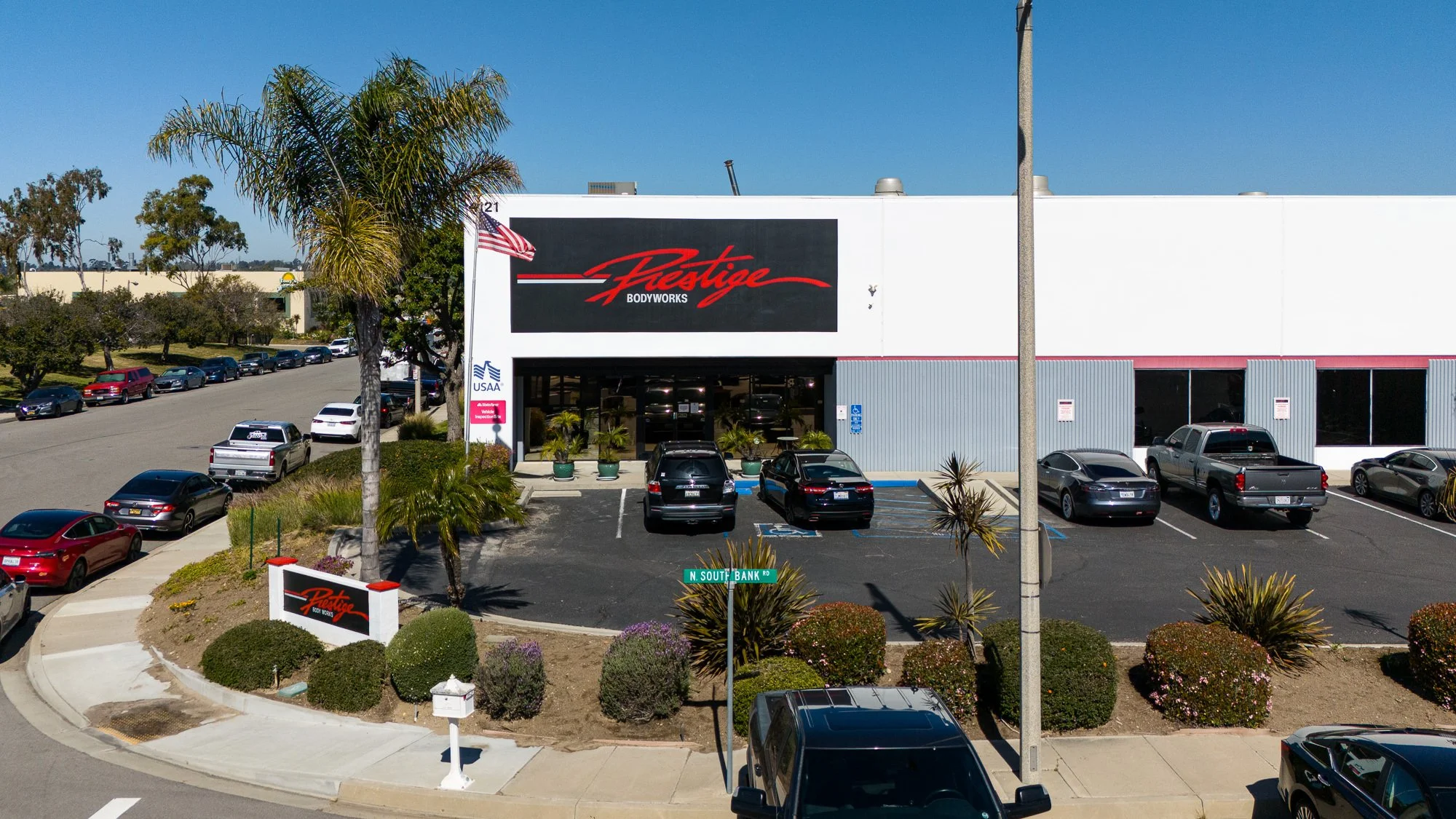
At Prestige Bodyworks in Oxnard, our technicians inspect beyond the visible damage to understand the complete repair requirements before completing repairs.
Every vehicle is carefully evaluated, documented, and repaired following applicable manufacturer procedures.
This helps ensure the repair plan addresses not only exterior damage but also hidden components that may have been affected during the accident.
As a Tesla Approved and BMW Certified collision repair facility, our team understands that today’s vehicles often require specific repair steps, equipment, documentation, and safety checks that may not appear during the first estimate.
Prestige Bodyworks assists guests throughout Oxnard, Ventura, and Camarillo with:
Insurance claim communication
Damage documentation
Supplement information
OEM repair procedures
Collision repair
Paint and structural repairs
Throughout the process, our goal is to keep guests informed from the initial inspection through final delivery.
Real Customer Experiences During the Repair Process
Wondering why your insurance estimate and body shop estimate are different? Learn how hidden damage, supplements, OEM repair procedures, and inspections affect collision repair costs in Oxnard.
Clear communication is one of the most important parts of collision repair, especially when insurance claims, estimate updates, and repair timelines are involved.
After a recent accident, Caitlin Trigueros shared that Prestige Bodyworks provided straightforward communication with “no hidden surprises.”
She explained that the team kept her updated throughout the process, answered questions, and clearly explained what needed to be done and why.
She also mentioned that her insurance adjuster was impressed with the experience and how smooth the repair process was when working with Prestige.
Another guest, Sol Sanch shared that once the insurance claim process began, Prestige kept them updated with repair timing and provided an estimated completion date.
The vehicle was completed ahead of schedule, and Sol described the finished repair as looking “brand new like the accident never happened.”
These experiences reflect why communication, proper inspections, and a clear repair process matter after a collision. Read more reviews here.
What Happens After the Estimate?
The repair process typically includes:
Initial estimate
Insurance review
Vehicle disassembly
Hidden damage inspection
Supplement review if needed
Repairs and refinishing
Final quality inspection
Timelines depend on:
Damage severity
Parts availability
Insurance approvals
Vehicle technology
Drivers can start the process using Prestige Bodyworks’ virtual estimate tool before scheduling repairs.
Related:
Car Accident Repair in Oxnard: A Step-by-Step Guide for Drivers
Frequently Asked Questions
-
Usually because additional damage was discovered after a more complete inspection. Initial estimates often focus on visible damage before disassembly.
-
No. Supplements are common when hidden accident damage or additional repair requirements are discovered during the repair process.
-
Not always. A lower estimate may not include every repair step needed to properly restore the vehicle.
Conclusion
Insurance estimates and body shop estimates are often different because they happen at different stages of the repair process.
The first estimate starts the claim, but a complete inspection helps identify the actual damage and repair requirements.
Understanding this process helps drivers make informed decisions, avoid confusion, and choose repairs focused on safety and long-term vehicle value.
Contact Prestige Bodyworks for certified repairs done right the first time.
