

Tesla Model Y Collision Repair in Oxnard: What Owners Should Know After an Accident
A collision involving a Tesla Model Y may leave obvious damage to a bumper, fender, door, quarter panel, or other exterior component. But what can be seen from the outside does not always show the complete repair picture.
The Model Y combines exterior body panels, structural components, cameras and other vehicle systems within a highly integrated design. Tesla also publishes Model Y-specific collision repair procedures, including separate documentation for different vehicle generations and configurations.[1][2]
For Model Y owners in Oxnard, understanding what happens between the initial damage assessment and final delivery can make the collision repair process much easier to navigate.
Tesla Model Y collision repair should begin with an evaluation of the specific vehicle, the location and severity of the impact, and the applicable Tesla repair information.
Depending on the accident, repair planning may involve:
- Exterior body and paint damage
- Damage hidden behind exterior panels
- Structural components
- Cameras or related driver-assistance components
- Pre-repair and post-repair operations
- Calibration when required by the applicable repair procedure
- Model Y-specific repair and replacement requirements
Not every collision requires every operation. The appropriate repair plan depends on what was damaged and which procedures apply to that particular Model Y.
Why Model Y Collision Repair Requires Vehicle-Specific Planning
A Model Y should not be approached as though every model year and configuration has an identical body structure or repair procedure.
Tesla maintains dedicated collision repair documentation for Model Y vehicles. For example, Tesla currently provides separate body repair information for 2020–2024 Model Y vehicles and 2025+ Model Y vehicles.[1][2]
Those procedures can specify details such as:
Which components may be repaired or replaced
Where sectioning is permitted
Required fasteners and structural adhesives
Welding requirements
Vehicle electrical isolation procedures
Parts identification based on the vehicle
Additional operations associated with a structural repair
For example, Tesla's 2025+ Model Y Body Side Outer procedure identifies areas where sectioning is permitted and other areas where it is not.[3]
That is why the repair plan should be based on the exact Model Y and the damage present, rather than a generalized approach to Tesla collision repair.
What Oxnard Model Y Owners Should Expect After a Collision
| Stage | What Happens | Why It Matters |
|---|---|---|
| 1.Initial Damage Assessment | Visible collision damage and affected areas are documented. | Establishes the starting point for repair planning. |
| 2.Disassembly When Needed | Relevant exterior components may be removed when additional access is necessary. | Damage behind a bumper, panel, or mounting area may not be visible initially. |
| 3.Tesla Procedure Review | Applicable repair information is identified for the specific Model Y. | Helps determine appropriate repair, replacement, joining, and related operations. |
| 4.Repair Planning | Parts, body work, refinishing, structural operations, and applicable system procedures are incorporated into the repair plan. | Creates a more complete repair scope based on the damage found. |
| 5.Collision Repair | Approved body and structural operations are performed according to the repair plan. | Helps restore the affected areas using the appropriate procedures. |
| 6.Required System Operations | Scanning, calibration, or other post-repair procedures are completed when applicable. | Addresses vehicle systems affected by the collision or repair. |
| 7.Final Verification | Repairs, fit, finish, and applicable system operations are reviewed before delivery. | Helps verify that the planned collision repairs have been completed. |
Hidden Damage Can Change a Model Y Repair Plan
One reason an initial estimate may change is that not every damaged area is accessible during the first visual inspection.
For example, a Model Y may arrive with visible damage to the bumper or another exterior panel while additional damage exists around mounting points or components behind the affected area.
This does not mean every Model Y needs extensive disassembly after an accident.
Instead, additional access may be appropriate when technicians cannot adequately evaluate an affected area from the exterior.
This distinction is particularly important when a vehicle has been hit in the front, rear, or corner, where several components may be located within a relatively small area.
If your damage is concentrated around the bumper, read our guide to Tesla bumper repair in Oxnard, which explains bumper fascia damage, cameras, sensors, and why additional inspection may sometimes be necessary.
Model Y Body and Structural Repairs Are Not One-Size-Fits-All
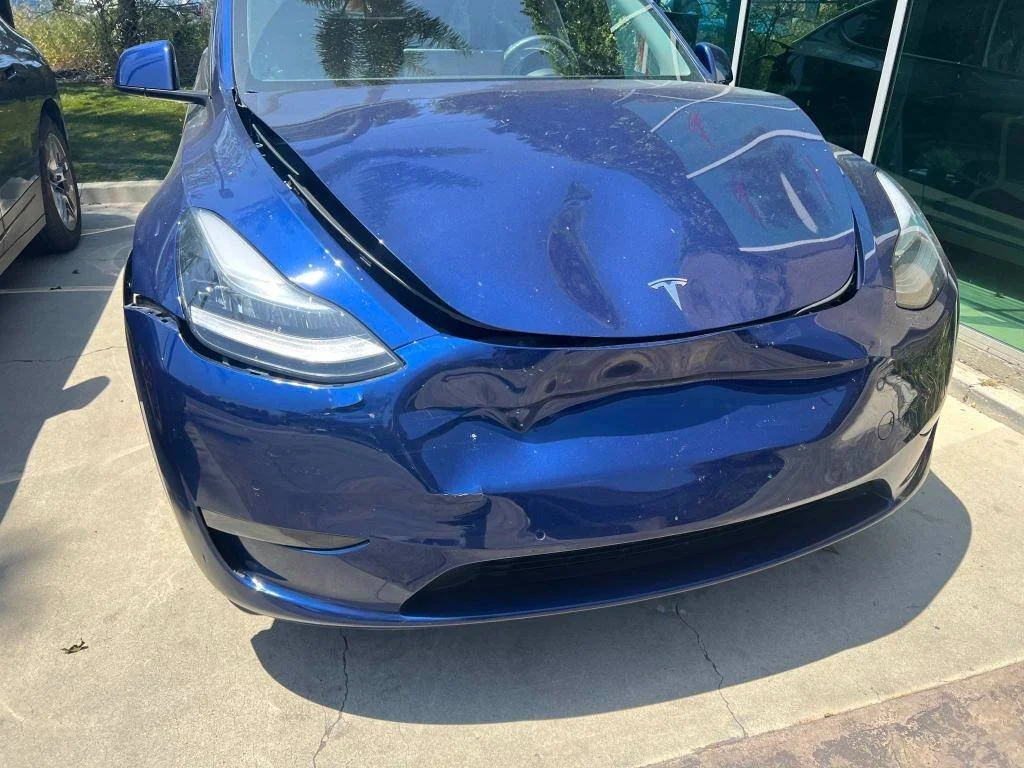
A dented exterior panel and a damaged structural component are very different repair situations.
Tesla's Model Y repair documentation illustrates how specific structural repairs can become. For the 2025+ Model Y, Tesla publishes procedures covering components including the body side outer, center underbody, front subframe support, and front frame rail outer.[2][3][4]
Those procedures may prescribe particular combinations of:
Structural adhesives
Rivets and other fasteners
Resistance spot welding
GMA welding
Component-specific sectioning limitations
Electrical isolation before certain operations
Tesla also states that only technicians who have completed its approved welding training are authorized to weld structural components on Tesla vehicles.[4]
This is why visible severity alone cannot tell a Model Y owner exactly what the repair will involve. The location and type of damage matter just as much as how dramatic the accident looks.
What About the Model Y High-Voltage Battery?
Seeing damage underneath a Model Y understandably raises questions about the battery.
However, a collision does not automatically mean the high-voltage battery is damaged or needs replacement.
The appropriate response depends on the impact and the repair procedure involved.
Tesla's Model Y body repair documentation shows why this needs to be evaluated on a repair-specific basis. Certain structural procedures can involve high-voltage system precautions or battery-related operations as part of gaining access to the repair area.[1][2]
For owners, the practical takeaway is simple:
Do not assume the battery is damaged because the vehicle was in a collision, but do not assume an underbody impact is purely cosmetic either.
The affected areas need to be evaluated before the repair scope is determined.
Do Model Y Cameras and Driver-Assistance Systems Need Calibration After Every Collision?
No. Not every Model Y collision automatically requires calibration.
The need for calibration or another system procedure depends on factors such as:
Where the vehicle was hit
Which components were damaged
Which components were removed or replaced
Whether a camera or related component was affected
What Tesla specifies for the applicable repair
This is another reason the repair process should be procedure-driven rather than assumption-driven.
A bumper scrape, door repair, front-end collision, and structural repair can involve very different operations even though all four vehicles are Model Ys.
Why Pre-Repair and Post-Repair Information Matters
Modern collision repair involves more than restoring the appearance of damaged sheet metal and paint.
Depending on the repair, technicians may need to identify vehicle conditions before work begins and verify relevant systems after repairs are completed.
The goal is not to perform unnecessary operations on every vehicle. It is to determine which operations are applicable to the specific collision and repair.
Tesla itself emphasizes that collision repair concerns more than appearance. The company states that its approved body shops are factory trained and equipped to rebuild Tesla vehicles to original specifications for structural integrity and quality of finish.[5]
What If Your Model Y Only Has Cosmetic Damage?
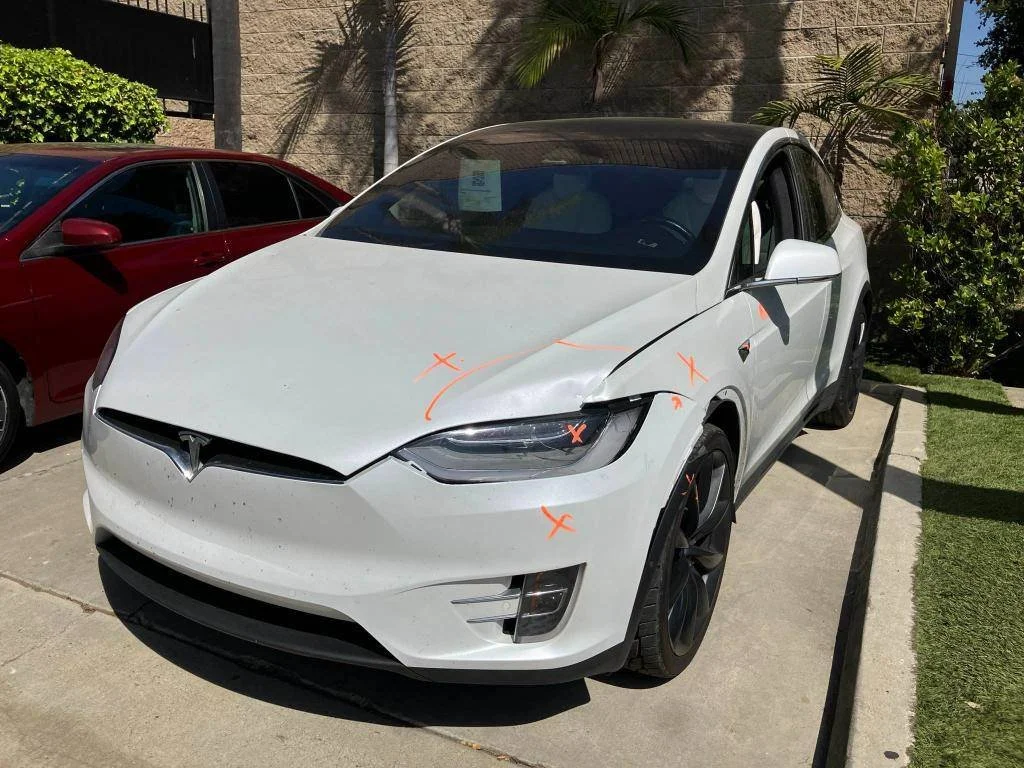
Not every accident becomes a major structural repair.
If your Model Y has a scrape, dent, damaged bumper cover, or localized paint damage, technicians can first determine:
Where the damage is located
Whether it appears limited to the exterior component
Whether the component is repairable under the applicable procedure
Whether additional access is necessary to evaluate the area
Which refinishing or replacement operations apply
A damaged-looking Model Y does not automatically mean the vehicle is totaled, just as minor-looking exterior damage does not guarantee that nothing else was affected.
The repair decision should follow the actual condition of the vehicle.
Repair or Replace a Damaged Model Y Panel?
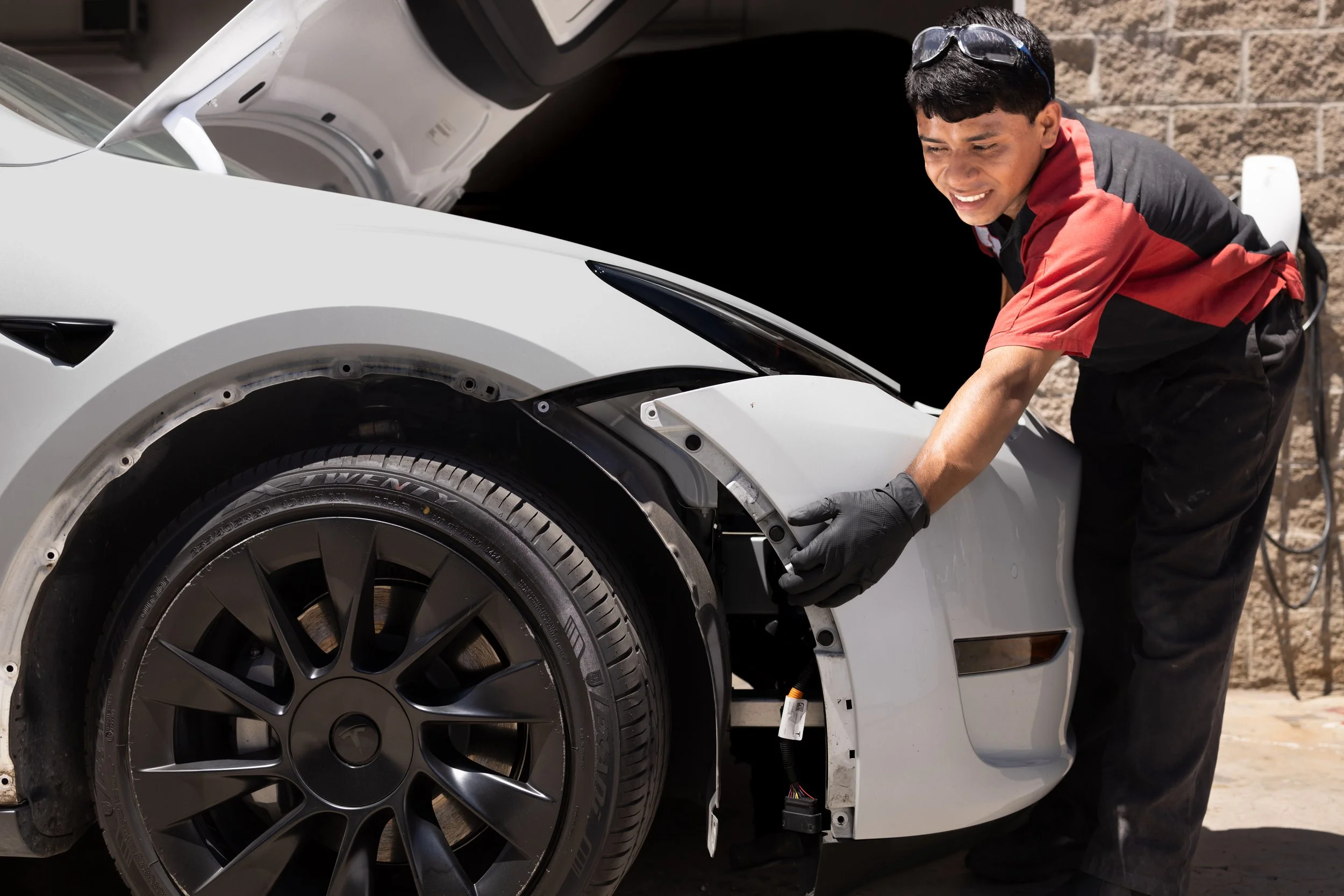
Whether a Model Y component should be repaired or replaced depends on the specific component, damage, and Tesla's repair criteria.
Tesla's own procedures demonstrate this component-specific approach. For example, the 2025+ Model Y Body Side Outer documentation permits sectioning in designated areas while prohibiting it in others.[3]
That is more precise than simply deciding:
“This panel looks repairable.”
The better question is:
“What does the applicable Tesla procedure allow for this component and this location of damage?”
What About Insurance?
If your Model Y collision repair involves an insurance claim, the first estimate may not always represent the final repair scope.
An initial estimate is based on what can be documented at that stage. If additional collision damage becomes visible after authorized disassembly, the repair plan may need to be updated.
That process is common in collision repair because some affected areas simply cannot be completely evaluated while exterior components remain installed.
For Model Y owners, this is another reason not to judge the repair solely by the first visible estimate.
Why the Collision Repair Facility Matters
Tesla states that its Approved Body Shops are factory trained and equipped to rebuild Tesla vehicles to original vehicle specifications for structural integrity and quality of finish.[5]
Regardless of the size of the collision, Model Y repair planning should account for the vehicle-specific procedures that apply to the damage.
That can be particularly important when the repair involves structural components, specialized joining methods, vehicle electronics, or areas near the high-voltage system.
The objective is not simply to make the damaged area look better.
It is to develop a repair plan appropriate for that Model Y, that collision, and the components affected.
Tesla Model Y Collision Repair in Oxnard
If your Tesla Model Y has been involved in an accident in Oxnard, begin with a professional collision damage assessment before making assumptions about how extensive—or how minor—the repair will be.
At Prestige Bodyworks Auto Collision, we can evaluate visible collision damage, determine when additional inspection may be appropriate, and develop the repair plan based on the vehicle and damage involved.
Whether your Model Y has:
Bumper damage
Fender damage
Door or side damage
Quarter panel damage
Front-end collision damage
Rear-end collision damage
Paint and body damage
More extensive collision damage
the first step is understanding what was actually affected.
Sources
[1] Tesla — 2020–2024 Model Y Collision Repair Procedures Manual. Tesla publishes Model Y-specific body repair procedures, including structural component procedures and high-voltage-related operations where applicable.
[2] Tesla — 2025+ Model Y Collision Repair Procedures Manual. Tesla's current procedures provide repair information specific to the newer Model Y body structure and individual components.
[3] Tesla — 2025+ Model Y Body Side Outer Repair Procedure. Tesla identifies permitted and prohibited sectioning areas and specifies joining methods for this component.
[4] Tesla — 2025+ Model Y Front Subframe Support Repair Procedure. The procedure specifies structural joining methods, electrical isolation precautions, and Tesla welding-training requirements.
[5] Tesla — Collision Support. Tesla states that Tesla Approved Body Shops are factory trained and equipped to rebuild Tesla vehicles to original specifications for structural integrity and quality of finish.
