

Can a Bent Car Frame Be Repaired After an Accident?
Yes. I’d keep this one shorter and tightly scoped to one question: “Can a bent frame be repaired?” It should support the Frame Straightening service page without becoming another hidden-damage or structural-safety guide.
Can a Bent Car Frame Be Repaired After an Accident?
A bent frame after an accident can sound like the end of the road for a vehicle, but frame or structural damage does not automatically mean a car cannot be repaired.
Depending on the vehicle, the location of the damage, and the manufacturer’s repair requirements, a collision repair shop may be able to straighten the affected structure or replace specific damaged components.
Yes, many types of bent car frames and structural collision damage can be repaired. A collision repair technician first measures and evaluates the affected structure to determine whether it can be straightened or whether damaged components require replacement.
The correct approach depends on the vehicle construction, location of the damage, severity of deformation, and applicable manufacturer repair procedures.
What Does a “Bent Frame” Mean?
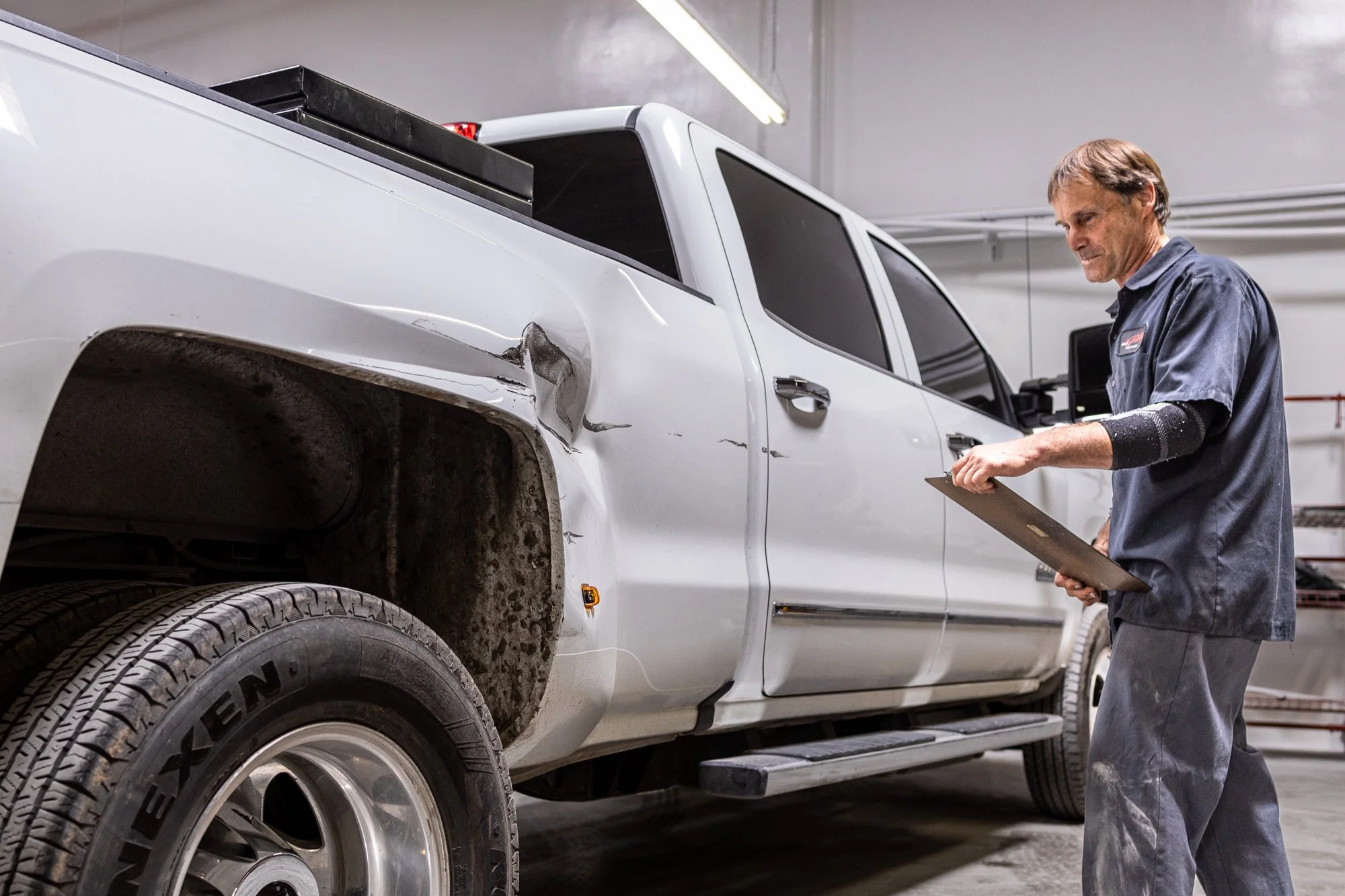
“Bent frame” is a common phrase drivers use after an accident, but modern vehicles do not all use a traditional full-frame design.
Many passenger vehicles use unibody construction, where sections of the body structure contribute to the vehicle’s overall structural integrity. Trucks and some SUVs may use a separate body-on-frame design.
After a collision, structural damage can involve areas such as:
Frame rails
Aprons
Pillars
Rocker areas
Floor or underbody structures
Structural mounting points
The presence of structural damage does not by itself determine whether the vehicle is repairable.
How Do Auto Body Shops Determine If a Bent Frame Can Be Repaired?
The decision should be based on measurement and manufacturer repair information, not simply on how severe the damage looks.
A collision repair shop may evaluate the vehicle's structural dimensions and compare measurements with specifications for that vehicle.
From there, technicians can determine whether the applicable procedure calls for straightening, repair, sectioning, or replacement of an affected component.
If you are concerned about damage you cannot see, our guide on why frame damage is not always visible after a minor collision explains that issue in more detail.
How Does Frame Straightening Work?
When frame straightening is appropriate, specialized equipment is used to apply controlled force to affected structural areas while technicians monitor the vehicle's measurements.
The objective is not simply to make the body panels line up again. The repair must address the vehicle's structural dimensions according to the applicable repair plan.
Not every damaged component should be straightened. Manufacturer procedures may require replacement of certain structural components rather than straightening them.
That distinction is one reason professional evaluation matters after a significant collision.
Straighten or Replace: What Determines the Repair?
The appropriate repair can depend on:
| Factor | Why It Matters |
|---|---|
| Damage Location | Different structural areas can have different repair limitations. |
| Severity | The amount and type of deformation can affect repairability. |
| Vehicle Construction | Unibody and body-on-frame vehicles require different considerations. |
| Material | Steel, high-strength steel, aluminum, and other materials can have specific repair requirements. |
| Manufacturer Procedures | OEM information can specify whether an affected component may be repaired or must be replaced. |
Can a Car Be Safe After Frame Repair?
A vehicle with structural damage can be repairable when the appropriate procedures can restore the affected structure.
The important question is not simply whether a shop can make the vehicle look straight again. The repair needs to address the structural damage correctly.
For a deeper explanation of post-repair checks, see our guide to how auto body shops verify structural safety after a crash.
Does Frame Damage Mean the Car Is Totaled?
Not automatically.
Structural damage and a total-loss determination are separate issues. A vehicle may have repairable structural damage, while another vehicle may be declared a total loss because the overall repair cost and vehicle value make repair economically impractical.
If you want to understand how insurers evaluate whether a vehicle is repairable or a total loss, read our guide: When Is a Car Considered a Total Loss? Insurance Thresholds, Repair Cost Examples & Oxnard Collision Repair Guide.
Do not assume your vehicle cannot be repaired simply because someone says the “frame is bent.” A proper collision assessment should come first.
This is a good internal link because it moves the total-loss details to the dedicated article instead of expanding them here, helping keep this blog focused on bent frame repair and reducing content overlap.
Frame Straightening in Oxnard
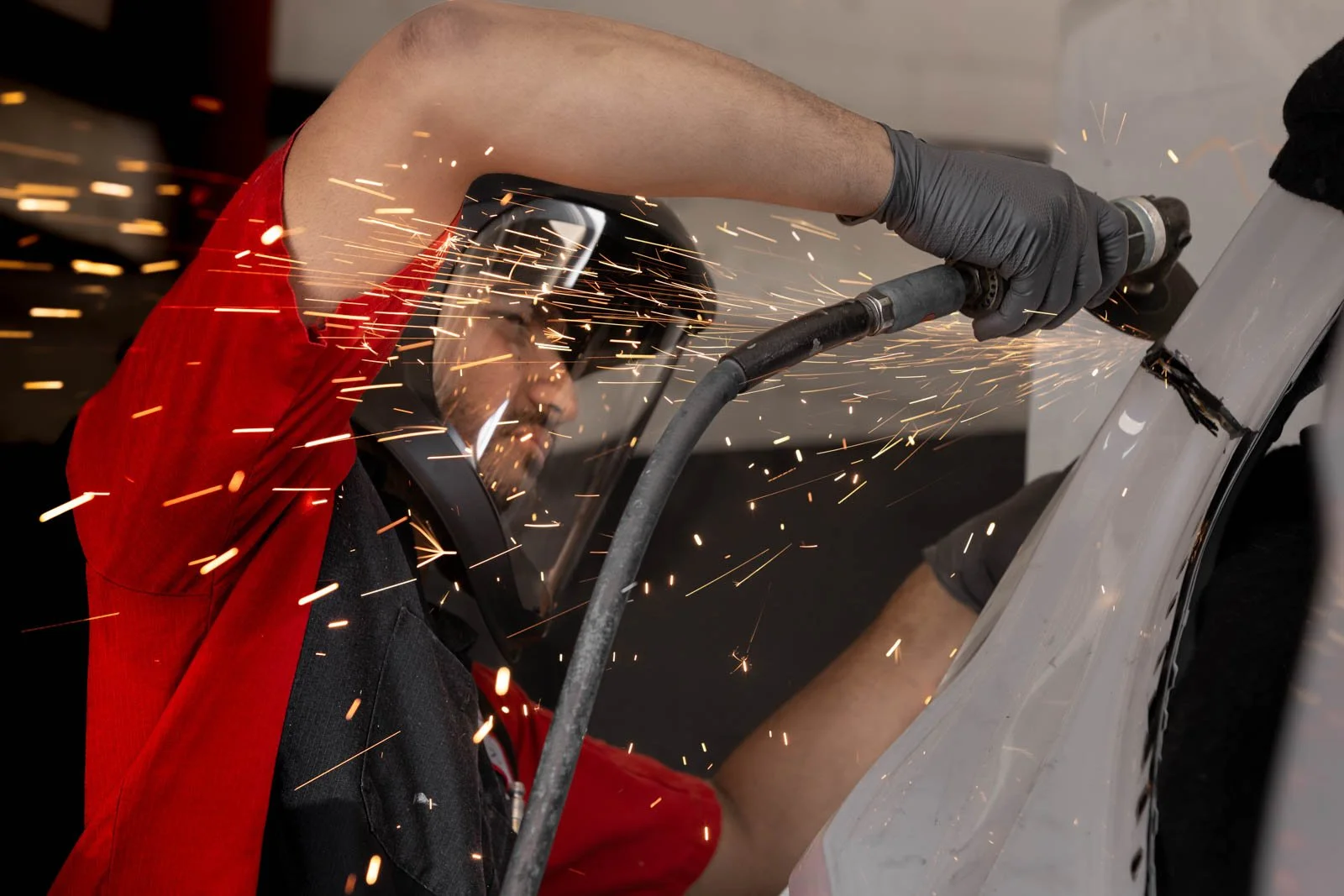
If your vehicle has frame or structural damage after an accident, the first step is determining what was damaged and what the appropriate repair procedure requires.
At Prestige Bodyworks Auto Collision in Oxnard, our team evaluates collision damage to determine the appropriate repair approach for the vehicle. When frame straightening is appropriate, specialized equipment and measurements help guide the repair process.
For more extensive structural damage, the repair plan may involve additional procedures or component replacement based on the vehicle and manufacturer requirements.
Need your vehicle evaluated after a collision? Contact Prestige Bodyworks Auto Collision in Oxnard to discuss your repair needs.
Frequently Asked Questions
-
Often, yes. Repairability depends on the location and severity of the structural damage, vehicle construction, materials, and manufacturer repair requirements.
-
No. Some damage may be appropriate for straightening, while certain structural components or damage conditions may require replacement according to manufacturer procedures.
-
Collision repair facilities can use structural measuring equipment and vehicle specifications to evaluate whether affected areas are within the required dimensions.
-
No. Frame damage alone does not automatically mean a vehicle is totaled. Repair cost, vehicle value, damage severity, and insurer requirements can all affect the determination.
