

Tesla Rear-End Collision Repair in Oxnard: What Damage Can Be Hidden?
A rear-end collision can leave obvious damage to a Tesla’s bumper, but the visible exterior does not always show everything that may have been affected.
During Tesla rear-end collision repair in Oxnard, technicians may need to evaluate areas behind the bumper and around the rear body structure to understand the full extent of the collision damage.
The important point is that every impact is different. The repair plan should be based on the specific Tesla, the location and severity of the impact, the damage found during inspection, and applicable Tesla repair procedures.
Rear-end Tesla damage can extend beyond the visible bumper cover. Depending on the impact, additional inspection may reveal damage to bumper components, mounting areas, rear body panels, structural areas, or nearby vehicle systems.
Not every rear-end collision causes hidden damage or requires extensive repairs. The purpose of a proper collision assessment is to determine what was actually affected before developing the complete repair plan.
What Can Be Damaged in a Tesla Rear-End Collision?
The extent of damage can vary considerably from one accident to another. Depending on where the vehicle was hit, technicians may need to evaluate:
Bumper cover and related components
Bumper reinforcement and mounting areas
Rear body panels
Quarter-panel areas
Trunk or liftgate alignment
Rear structural components
Cameras, sensors, or related components where applicable
Underbody areas when the impact makes inspection appropriate
Tesla publishes model-specific collision repair procedures for rear body and structural components, reinforcing why the repair should be planned around the specific vehicle and affected area rather than a general approach.[1][2]
Why Can Rear-End Damage Be Hidden?
The bumper cover is only the visible exterior portion of the rear of the vehicle. Mounting points, reinforcement components, body structures, and other areas sit behind or around it.
When appropriate, removing affected exterior components can give technicians access to areas that could not be fully evaluated during the initial visual inspection.
This does not mean every rear-ended Tesla has hidden structural damage. It simply means that visible bumper damage may not tell the entire story.
If the damage is concentrated around the bumper, our guide to Tesla bumper repair in Oxnard explains bumper-specific repair considerations in more detail.
What Happens If Additional Damage Is Found?
If technicians identify additional collision damage during inspection or authorized disassembly, those findings can be added to the repair plan.
| Finding | What It May Mean for the Repair |
|---|---|
| Bumper Damage | Repair or replacement depends on the affected component and applicable procedure. |
| Damaged Mounting Areas | Additional body repair or component replacement may be required. |
| Rear Body Damage | The affected area may require further evaluation and repair planning. |
| Affected Cameras or Sensors | Applicable inspection, scanning, or calibration procedures may need to be reviewed. |
| Additional Damage After Disassembly | The repair estimate may need to be updated to account for newly documented damage. |
Tesla's collision documentation includes specific procedures for rear structural and body components, including rear rails, rear panel assemblies, and quarter areas on applicable models.[2][3][4]
Why this matters: The repair scope can become more complete once technicians have access to the areas affected by the collision.
Do Tesla Cameras or Sensors Need Calibration After a Rear-End Collision?
Not automatically.
A Tesla should not be described as requiring calibration simply because it was involved in a rear-end accident.
Whether scanning, calibration, or another system-related operation is appropriate depends on factors such as:
The Tesla model and configuration
Where the vehicle was hit
Components damaged or removed
Parts replaced during the repair
Applicable Tesla repair procedures
This keeps the repair procedure-driven rather than assumption-driven.
What If the Rear Bumper Is the Only Visible Damage?
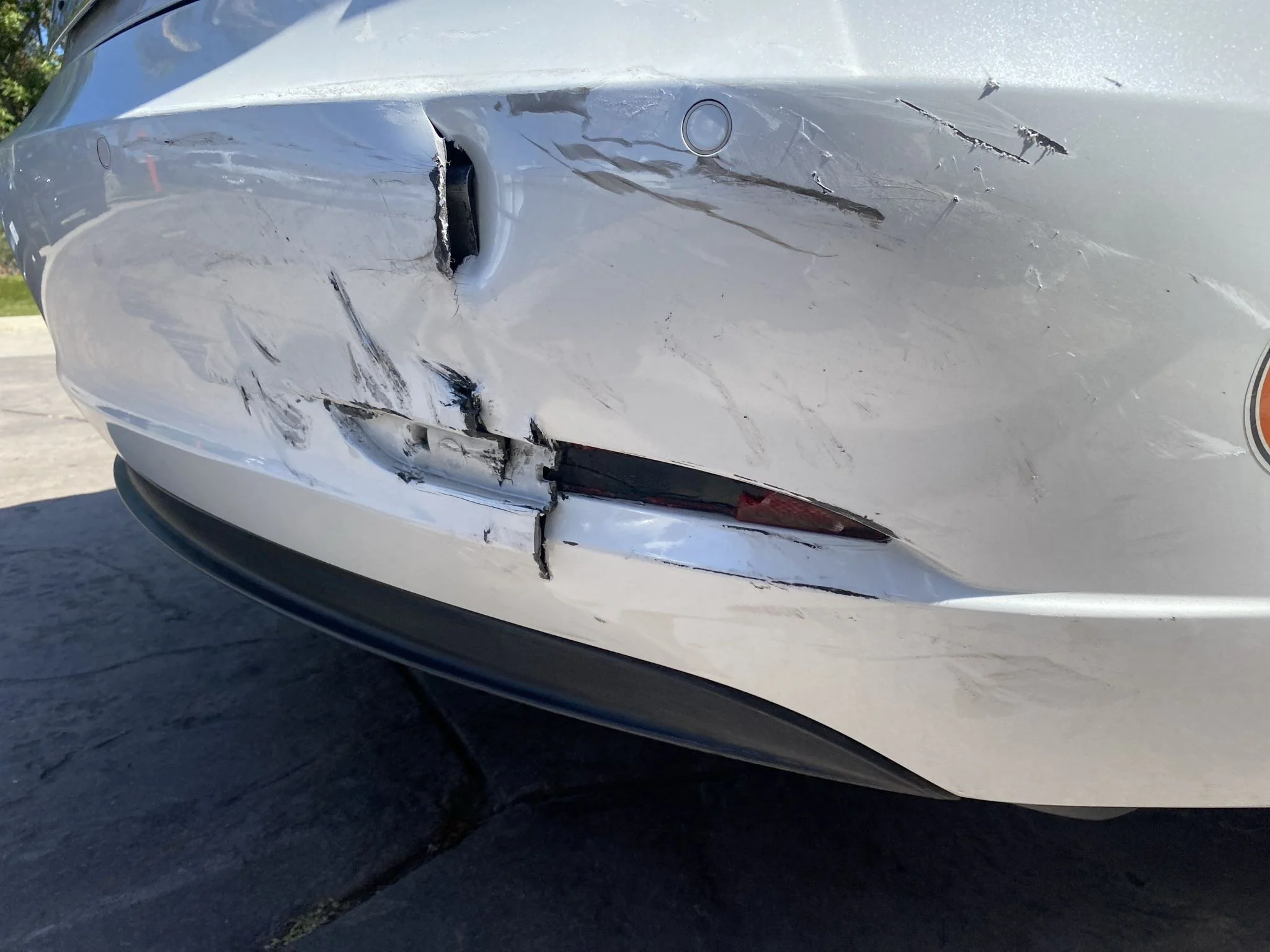
Start with an assessment rather than assuming the repair will be either minor or extensive.
In some accidents, damage may be limited to exterior components. In others, inspection may identify damage behind the bumper that was not apparent from the outside.
The goal is not to assume that hidden damage exists. It is to determine whether anything beyond the visible damage was affected.
What About Rear Structural Damage?
A harder rear impact can involve areas beyond the bumper assembly. Tesla publishes specific repair information for rear structural components on its vehicles, including procedures that vary by model and model year.[2][3][4]
If a structural area is affected, technicians need to identify the damaged component and consult the applicable repair information before determining the appropriate repair approach.
For example, Tesla maintains separate collision repair documentation for earlier and newer Model Y configurations, which is another reason the vehicle itself—not simply the Tesla badge—should guide the repair plan.[3][5]
This article does not need to go deeper into structural repair methods because that is a separate repair topic. For a rear-end collision, the important takeaway is that structural involvement should be determined through inspection rather than appearance alone.
Can the Initial Repair Estimate Change?
Yes.
An initial estimate is based on the damage that can reasonably be identified at that stage of the repair process. If additional damage becomes accessible during authorized disassembly, the repair plan and estimate may need to be updated.
That does not necessarily mean something was missed during the first inspection. Some collision damage cannot be fully evaluated until affected exterior components are removed.
Tesla Collision Repair at Prestige Bodyworks in Oxnard
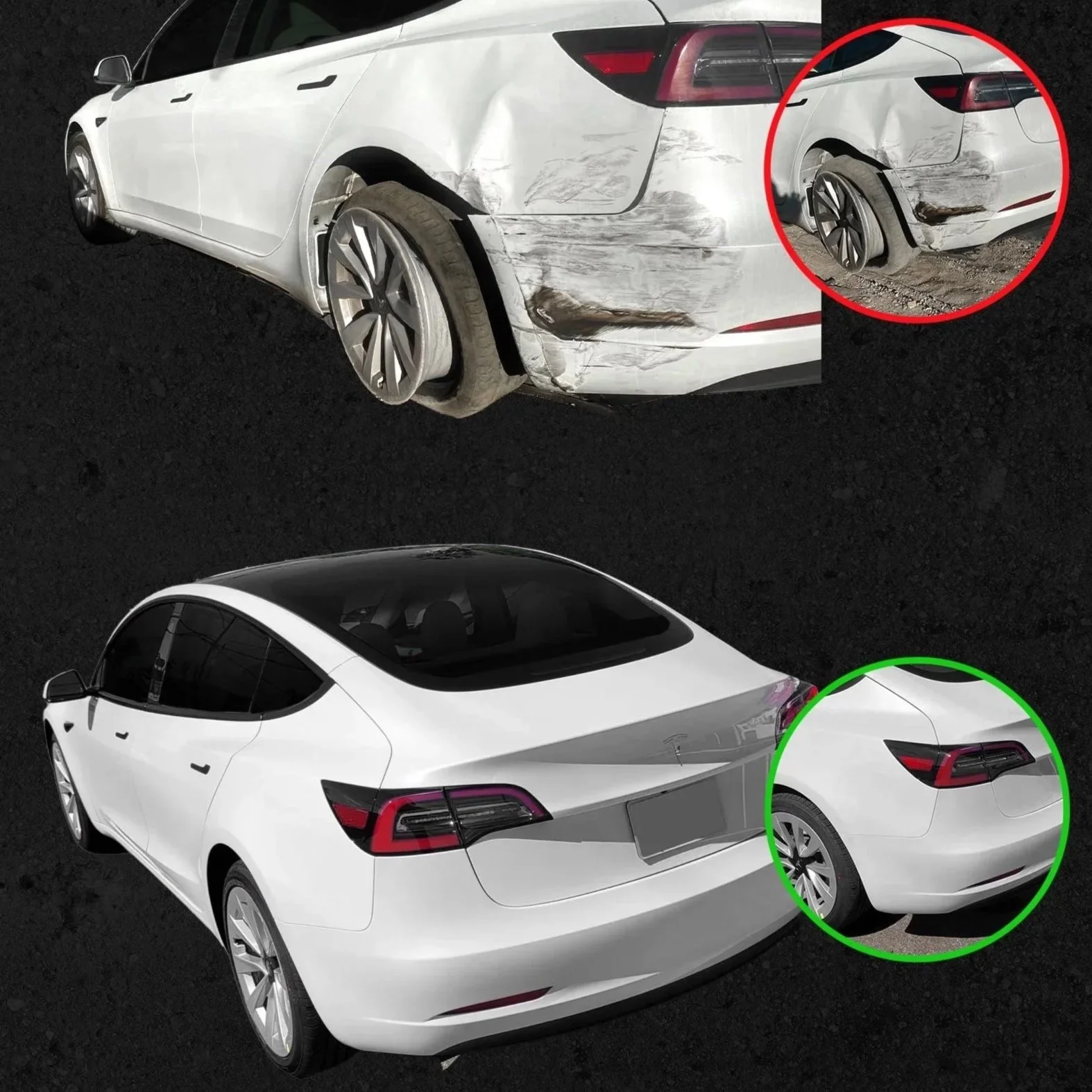
If your Tesla has been rear-ended, Prestige Bodyworks Auto Collision in Oxnard can evaluate the visible collision damage and determine whether additional inspection is appropriate.
The repair process should account for the specific Tesla, the areas affected by the impact, and applicable repair procedures—not simply what can be seen from the outside.
Whether the accident involves bumper damage, rear body damage, or a more extensive collision, the first step is understanding what was actually affected.
Have rear-end damage on your Tesla? Contact Prestige Bodyworks Auto Collision in Oxnard to have the collision damage assessed.
Frequently Asked Questions
-
Yes. Depending on the impact, damage can sometimes extend to components, mounting areas, body panels, or structural areas behind the visible bumper.
-
No. Whether an affected component can be repaired or requires replacement depends on the damage and applicable Tesla repair procedures.
-
No. Calibration or other system-related procedures depend on the components affected, the repair operations performed, and the applicable procedures for the vehicle.
-
Yes. If additional collision damage becomes accessible during authorized disassembly, the repair plan and estimate may need to be updated.
-
Yes. Depending on the impact, rear body panels, mounting areas, structural components, or nearby vehicle systems may also need to be evaluated.
Sources
[1] Tesla — Collision Support
General information about Tesla collision repair, Tesla Approved Collision Centers, training, equipment, and repair support.
[2] Tesla — Model Y Rear Rail Repair Procedures
Tesla collision repair documentation addressing rear structural components.
[3] Tesla — Model Y Rear Panel Side Assembly Repair Procedures
Model-specific repair information for rear body components.
[4] Tesla — Model Y Rear Quarter Outer Repair Procedures
Tesla repair documentation covering the rear quarter structure and applicable repair methods.
[5] Tesla — 2025+ Model Y Collision Repair Procedures
Current-generation Model Y collision repair documentation and component-specific procedures.
